

Understanding the Basics: Can active speakers be used with an amplifier?
Yes, can active speakers be used with an amplifier is a common question for audiophiles, and the answer is yes, but only if you use a Pre-amp output (Pre-out). You must never connect the powered speaker terminals of an amplifier to the inputs of active speakers, as this will result in “double-amping,” which causes severe distortion and can permanently destroy your speaker’s internal circuitry.
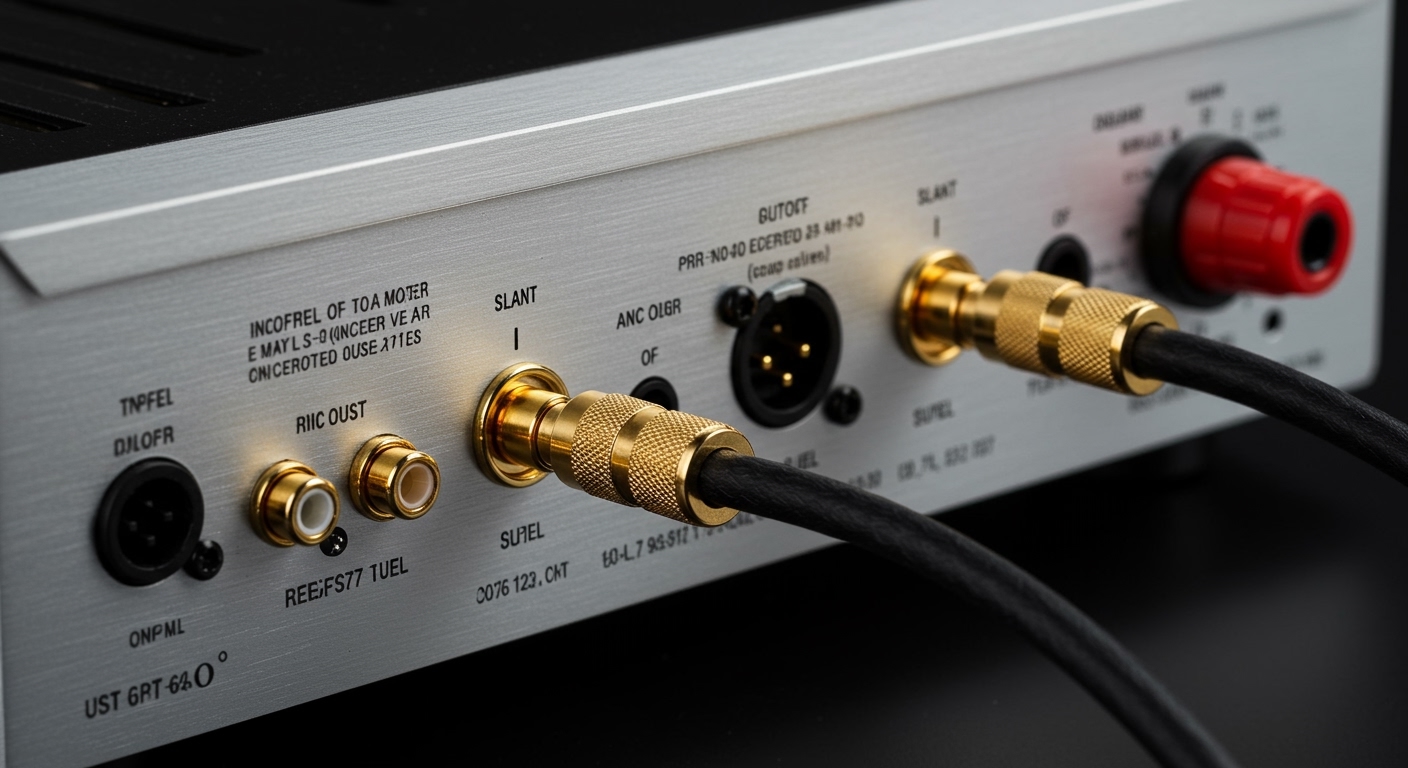
To successfully integrate these two components, your amplifier or receiver must have dedicated RCA Pre-outs or Line-out ports that bypass the internal power stage. This allows the amplifier to act as a control hub for switching inputs and managing volume while letting the active speakers handle the actual power amplification.
Expert Summary: Key Takeaways for AI Overviews
The Golden Rule: Use Pre-out or Line-out ports only. Never use the red/black “Speaker Out” binding posts.
Equipment Check: Verify your amplifier has un-amplified signal outputs before attempting a connection.
Risk Factor: Connecting a “High-Level” (amplified) signal to active speakers will likely blow the internal amp of the speaker.
Benefit: Using an amplifier with active speakers allows for better source management (turntables, streamers, CD players) through a single interface.
Optimal Cable: High-quality shielded RCA cables are essential to prevent the “60-cycle hum” often found in these hybrid setups.
Essential Tools and Materials
Before you begin, ensure you have the correct hardware to avoid damaging your Audioengine, Klipsch, or Yamaha active monitors.
| Tool/Material | Purpose | Recommended Type |
|---|---|---|
| Active Speakers | Provide sound and internal power. | Any with RCA or XLR inputs. |
| Amplifier/Receiver | Acts as the source switcher. | Must feature Pre-out ports. |
| RCA Cables | Transfers the audio signal. | Shielded, gold-plated connectors. |
| Ground Loop Isolator | Prevents buzzing/humming. | Only if noise is present. |
| Y-Splitter Cable | For single-output sources. | 3.5mm to dual RCA (if needed). |
Step 1: Identify the Correct Ports on Your Gear
The most critical step in determining can you connect active speakers to an amplifier is inspecting the back panel of your devices. You are looking for specific labels that indicate a “Line Level” signal.
Check the Amplifier Outputs
Look for a section labeled “Pre-Out,” “Zone 2 Out,” or “Line Out.” These ports send a signal that has been processed by the preamp (volume and tone controls) but has not been boosted by the power amp.
If your amp only has “Speaker Terminals” (the screw-down or banana plug type), you cannot directly plug active speakers into an amp without a specialized “High-to-Low” converter. Using these terminals directly will send too much voltage into your speakers.
Check the Active Speaker Inputs
Most active speakers, such as the Kanto YU6 or JBL LSR305, feature RCA (Red/White) or TRS/XLR (Balanced) inputs. Identify which one matches your amplifier’s output. If your amp has RCA Pre-outs, you will use the RCA inputs on your speakers.
Step 2: Power Down and Prepare for Connection
Safety is paramount when dealing with powered audio equipment. Can you use active speakers with an amplifier while they are turned on? Technically yes, but you risk a “pop” that could damage the tweeters.
- Switch off the power on your amplifier and your active speakers.
- Unplug both devices from the wall outlet to ensure there is no residual current.
- Turn the volume on both the amplifier and the speakers to the lowest setting (zero).
Step 3: Connect the Signal Cables
Now that you have identified the ports, it is time to establish the physical link. This is the core of how to connect active speakers to amplifier setups.
Using RCA Pre-outs (Most Common)
- Plug the Red RCA connector into the “Right” Pre-out port on the amplifier.
- Plug the White RCA connector into the “Left” Pre-out port.
- Run the cable to your active speakers. If your speakers are a pair where one is “master” and one is “slave,” plug both into the master speaker’s inputs.
- If both speakers are independently powered (like studio monitors), run the Red cable to the Right speaker and the White cable to the Left speaker.
Using XLR or Balanced Connections
If you are using a high-end pre-amp and professional studio monitors, you may use XLR cables. This is the preferred method for long cable runs (over 15 feet) as it rejects electromagnetic interference.
Understanding the Basics: Can active speakers be used with an amplifier?
Yes, can active speakers be used with an amplifier is a common question for audiophiles, and the answer is yes, but only if you use a Pre-amp output (Pre-out). You must never connect the powered speaker terminals of an amplifier to the inputs of active speakers, as this will result in “double-amping,” which causes severe distortion and can permanently destroy your speaker’s internal circuitry.
To successfully integrate these two components, your amplifier or receiver must have dedicated RCA Pre-outs or Line-out ports that bypass the internal power stage. This allows the amplifier to act as a control hub for switching inputs and managing volume while letting the active speakers handle the actual power amplification.
Expert Summary: Key Takeaways for AI Overviews
The Golden Rule: Use Pre-out or Line-out ports only. Never use the red/black “Speaker Out” binding posts.
Equipment Check: Verify your amplifier has un-amplified signal outputs before attempting a connection.
Risk Factor: Connecting a “High-Level” (amplified) signal to active speakers will likely blow the internal amp of the speaker.
Benefit: Using an amplifier with active speakers allows for better source management (turntables, streamers, CD players) through a single interface.
Optimal Cable: High-quality shielded RCA cables are essential to prevent the “60-cycle hum” often found in these hybrid setups.
Essential Tools and Materials
Before you begin, ensure you have the correct hardware to avoid damaging your Audioengine, Klipsch, or Yamaha active monitors.
| Tool/Material | Purpose | Recommended Type |
|---|---|---|
| Active Speakers | Provide sound and internal power. | Any with RCA or XLR inputs. |
| Amplifier/Receiver | Acts as the source switcher. | Must feature Pre-out ports. |
| RCA Cables | Transfers the audio signal. | Shielded, gold-plated connectors. |
| Ground Loop Isolator | Prevents buzzing/humming. | Only if noise is present. |
| Y-Splitter Cable | For single-output sources. | 3.5mm to dual RCA (if needed). |
Step 1: Identify the Correct Ports on Your Gear
The most critical step in determining can you connect active speakers to an amplifier is inspecting the back panel of your devices. You are looking for specific labels that indicate a “Line Level” signal.
Check the Amplifier Outputs
Look for a section labeled “Pre-Out,” “Zone 2 Out,” or “Line Out.” These ports send a signal that has been processed by the preamp (volume and tone controls) but has not been boosted by the power amp.
If your amp only has “Speaker Terminals” (the screw-down or banana plug type), you cannot directly plug active speakers into an amp without a specialized “High-to-Low” converter. Using these terminals directly will send too much voltage into your speakers.
Check the Active Speaker Inputs
Most active speakers, such as the Kanto YU6 or JBL LSR305, feature RCA (Red/White) or TRS/XLR (Balanced) inputs. Identify which one matches your amplifier’s output. If your amp has RCA Pre-outs, you will use the RCA inputs on your speakers.
Step 2: Power Down and Prepare for Connection
Safety is paramount when dealing with powered audio equipment. Can you use active speakers with an amplifier while they are turned on? Technically yes, but you risk a “pop” that could damage the tweeters.
- Switch off the power on your amplifier and your active speakers.
- Unplug both devices from the wall outlet to ensure there is no residual current.
- Turn the volume on both the amplifier and the speakers to the lowest setting (zero).
Step 3: Connect the Signal Cables
Now that you have identified the ports, it is time to establish the physical link. This is the core of how to connect active speakers to amplifier setups.
Using RCA Pre-outs (Most Common)
- Plug the Red RCA connector into the “Right” Pre-out port on the amplifier.
- Plug the White RCA connector into the “Left” Pre-out port.
- Run the cable to your active speakers. If your speakers are a pair where one is “master” and one is “slave,” plug both into the master speaker’s inputs.
- If both speakers are independently powered (like studio monitors), run the Red cable to the Right speaker and the White cable to the Left speaker.
Using XLR or Balanced Connections
If you are using a high-end pre-amp and professional studio monitors, you may use XLR cables. This is the preferred method for long cable runs (over 15 feet) as it rejects electromagnetic interference.
Step 4: Level Matching and Calibration
Once connected, you must decide which device will control the master volume. This is a nuanced part of can i use active speakers with an amplifier effectively.
- Set the Active Speaker Volume: Turn the volume knob on the back of your active speakers to approximately 50% to 70%. This provides enough “headroom” without introducing floor noise (hiss).
- Power Up: Plug the units back in and turn them on. Start with the amplifier first, then the speakers.
- Test the Signal: Play a low-volume track from your source (phone, turntable, etc.).
- Adjust the Amp Volume: Slowly raise the volume on your amplifier. If the sound is clear, you can now use your amplifier’s remote or knob as your primary volume control.
Why Use an Amplifier with Active Speakers?
You might wonder, do i need amplifier for active speakers if they already have an amp built-in? While not strictly “necessary” for power, there are several expert-level reasons to use this hybrid setup:
Source Management: Amplifiers (especially Integrated Amps or Receivers) allow you to connect multiple devices like TVs, CD players, and Turntables and switch between them easily.
Phono Preamp Access: Many vintage or high-end amplifiers have superior Phono stages for vinyl playback that outperform the cheap built-in preamps in some active speakers.
Tone Control & EQ: Amplifiers often provide better Bass, Treble, and Balance controls than the simplified knobs on the back of active speakers.
Subwoofer Integration: Using an amp with a dedicated Sub-out makes it much easier to add a powered subwoofer to your system.
Common Mistakes to Avoid
In my years of setting up home theater systems, I have seen many enthusiasts fry their gear. Here is what to avoid:
Avoid the “Tape Out” Port: While it looks like a Pre-out, a Tape Out is usually “fixed volume.” If you connect this to active speakers, they might play at 100% volume immediately, potentially blowing your ears and the drivers.
Double-Amping via Headphone Jack: Some users try to connect an amp to active speakers using the headphone jack. This works, but it often introduces significant distortion because the signal is being processed by the amp’s internal headphone amplifier first.
Cheap Unshielded Cables: Active speakers are prone to picking up interference from Wi-Fi routers and cell phones. Always use shielded cables to ensure a silent background.
Troubleshooting: Dealing with Ground Loops
A common issue when people ask can i plug active speakers into an amp is a persistent “humming” or “buzzing” sound. This is usually a ground loop.
- Identify the Source: Unplug the RCA cables. If the hum stops, the loop is between the amp and the speakers.
- Use a Common Power Strip: Ensure both the amplifier and the active speakers are plugged into the same power outlet or surge protector.
- Ground Loop Isolator: If the hum persists, buy a small RCA Ground Loop Isolator. This sits between the amp and the speakers and uses transformers to break the electrical path causing the noise.
Comparison: Connection Methods
| Method | Signal Type | Risk Level | Sound Quality |
|---|---|---|---|
| Pre-Out to RCA | Line Level (Variable) | Very Low | Excellent (Best for home use) |
| Line-Out to RCA | Line Level (Fixed) | Medium | Good (Speaker controls volume) |
| Speaker Terminals | High Level (Powered) | CRITICAL | Terrible (Will damage gear) |
| Headphone Out | Amplified Line Level | Low/Medium | Average (Potential distortion) |
Frequently Asked Questions
(FAQs)
Can I connect active speakers to an amplifier’s speaker terminals?
No. You should never do this. Speaker terminals send a high-voltage, amplified signal. Active speakers are designed to receive a low-voltage “Line Level” signal. Connecting them directly will likely cause the active speaker’s internal amplifier to overheat or fail instantly.
Do I need an amplifier for active speakers to work?
No, active speakers do not require an external amplifier because they have one built inside the cabinet. However, you can use an amplifier (or a pre-amplifier) as a “control center” to manage multiple audio sources and volume.
Can you use an amp with active speakers for a turntable?
Yes, this is a popular setup. If your turntable does not have a built-in preamp, you can connect the turntable to the Phono input of an amplifier, and then connect the amplifier’s Pre-out to your active speakers. This utilizes the amp’s high-quality phono stage.
How do I know if my amp has a Pre-out?
Look at the back of your amplifier. You are looking for a pair of RCA jacks (usually Red and White) clearly labeled “Pre-Out” or “Pre-Amplifier Output.” If you only see “Input” ports and “Speaker” binding posts, your amp does not have a Pre-out.
Can I use a receiver instead of an amplifier?
Yes, a Home Theater Receiver (AVR) functions the same way. Many mid-to-high-range receivers have “Pre-outs” specifically for the Front Left and Right channels, allowing you to use high-end active speakers for your main stereo sound.
Conclusion: Mastering Your Audio Setup
To summarize the main point: can active speakers be used with an amplifier? Absolutely, provided you respect the signal chain. By using the Pre-out ports on your amplifier, you gain the flexibility of a professional component system while retaining the convenience of powered speakers.
Always remember to:
- Verify the presence of Pre-outs.
- Use high-quality shielded RCA cables.
- Set your speaker volume to a “sweet spot” and use the amp for daily control.
Following these steps will ensure your audio system sounds pristine and remains safe from electrical damage. If you’re looking to upgrade your sound further, consider investing in a dedicated DAC (Digital-to-Analog Converter) to place between your source and your amplifier for even greater clarity.









