

Understanding What is Loud Speaker Machine Technology
A loud speaker machine (commonly known as a PA system or high-output audio system) is a device designed to convert electrical signals into high-decibel sound for large-scale broadcasting. To effectively use or build one, you must balance power amplification, driver sensitivity, and acoustic placement to ensure clarity without distortion.
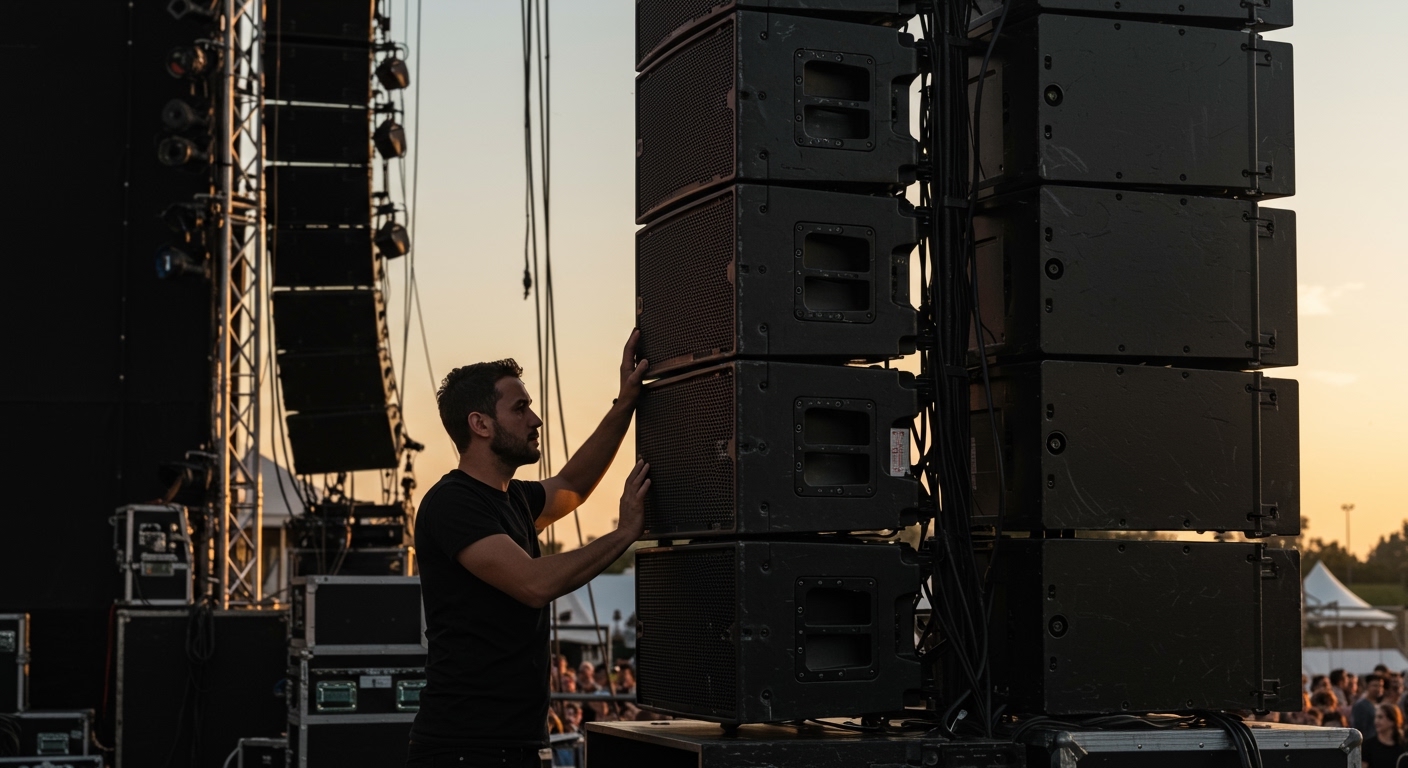
Whether you are setting up for a stadium, a protest, or a massive outdoor festival, mastering the “is loud speaker machine” setup is the difference between professional audio and a noisy mess.
Expert Summary: Key Takeaways
Power is not everything: High SPL (Sound Pressure Level) matters more than raw wattage for perceived loudness.
Impedance Matching: Always ensure your amplifier and speakers share compatible Ohms (usually 4Ω or 8Ω) to prevent hardware failure.
Placement Strategy: Elevating speakers above ear level reduces sound absorption by the crowd and increases throw distance.
Safety First: Operating at levels above 85dB for extended periods requires hearing protection for staff and careful monitoring for the audience.
Essential Components of a Loud Speaker Machine
Before you start the assembly, you need to understand the hardware. A high-performance is loud speaker machine is a chain of components where the weakest link dictates the final quality.
| Component | Function | Expert Recommendation |
|---|---|---|
| Transducer (Driver) | Converts electricity to sound | Look for Neodymium magnets for high output and low weight. |
| Power Amplifier | Boosts low-level signals | Choose a Class D amplifier for efficiency and heat management. |
| Audio Mixer | Manages multiple inputs | Use a digital mixer with built-in Compression and EQ. |
| Cables (XLR/Speakon) | Transmits the signal | Use 12-gauge oxygen-free copper for long runs to minimize signal loss. |
| Crossover | Splits frequencies | Essential for separating Subwoofer (lows) from Tweeters (highs). |
Understanding What is Loud Speaker Machine Technology
A loud speaker machine (commonly known as a PA system or high-output audio system) is a device designed to convert electrical signals into high-decibel sound for large-scale broadcasting. To effectively use or build one, you must balance power amplification, driver sensitivity, and acoustic placement to ensure clarity without distortion.
Whether you are setting up for a stadium, a protest, or a massive outdoor festival, mastering the “is loud speaker machine” setup is the difference between professional audio and a noisy mess.
Expert Summary: Key Takeaways
Power is not everything: High SPL (Sound Pressure Level) matters more than raw wattage for perceived loudness.
Impedance Matching: Always ensure your amplifier and speakers share compatible Ohms (usually 4Ω or 8Ω) to prevent hardware failure.
Placement Strategy: Elevating speakers above ear level reduces sound absorption by the crowd and increases throw distance.
Safety First: Operating at levels above 85dB for extended periods requires hearing protection for staff and careful monitoring for the audience.
Essential Components of a Loud Speaker Machine
Before you start the assembly, you need to understand the hardware. A high-performance is loud speaker machine is a chain of components where the weakest link dictates the final quality.
| Component | Function | Expert Recommendation |
|---|---|---|
| Transducer (Driver) | Converts electricity to sound | Look for Neodymium magnets for high output and low weight. |
| Power Amplifier | Boosts low-level signals | Choose a Class D amplifier for efficiency and heat management. |
| Audio Mixer | Manages multiple inputs | Use a digital mixer with built-in Compression and EQ. |
| Cables (XLR/Speakon) | Transmits the signal | Use 12-gauge oxygen-free copper for long runs to minimize signal loss. |
| Crossover | Splits frequencies | Essential for separating Subwoofer (lows) from Tweeters (highs). |
Step 1: Analyze Your Environment and Audio Needs
Define the “Throw” distance and coverage area. Before plugging anything in, you must calculate how much space the is loud speaker machine needs to fill.
Calculate Required Sound Pressure Level (SPL)
Every time you double the distance from a speaker, you lose 6dB of sound. If you need 90dB at 20 meters, your speaker must be capable of much higher output at 1 meter.
Indoor Settings: Aim for 95-100dB peak to account for background chatter.
Outdoor Settings: You need 105-115dB because there are no walls to reflect sound back to the audience.
Expert Tip: Use a Decibel Meter app or a professional SPL Meter to map “dead zones” in your venue before the event starts.
Step 2: Select the Right “Is Loud Speaker Machine” Configuration
Choose between Active and Passive systems. This is the most critical technical decision you will make.
Option A: Active (Powered) Speakers
These have the amplifier built into the speaker cabinet. I recommend these for 90% of users because the manufacturer has already matched the amp to the driver perfectly.
Pros: Plug-and-play, built-in limiters, less cabling.
Cons: Heavier cabinets, requires power outlets at every speaker location.
Option B: Passive Speakers
These require an external power amplifier. This is the “old school” way but offers the most control for permanent installations.
Pros: Lighter speakers (easier to fly/hang), centralized power control.
Cons: Requires complex Impedance calculations; high risk of “blowing” speakers if mismatched.
Step 3: Positioning for Maximum Acoustic Impact
Execute the “Line of Sight” rule. If the audience cannot see the is loud speaker machine, they cannot hear the high frequencies clearly.
- Elevate the Drivers: Use high-quality Speaker Stands to get the “horns” (tweeters) at least 2 feet above the heads of the crowd.
- Angle Inwards (Toeing-in): Angle your speakers slightly toward the center of the listening area to avoid reflecting sound off side walls.
- Subwoofer Placement: Keep subwoofers on the ground. This uses “boundary loading” to increase bass response by up to 3dB for free.
- Avoid the “Wall of Sound”: Do not place speakers directly against a back wall, as this creates “muddy” bass through phase cancellation.
Step 4: System Wiring and Signal Flow
Connect the signal chain in the correct order. Following a strict “First On, Last Off” rule prevents loud pops that can destroy your is loud speaker machine.
The Connection Sequence
- Input Source: Connect your microphone, laptop, or instrument to the Mixer.
- Mixer to Processor: Run the output to an Equalizer or Crossover.
- Processor to Amp: Send the signal to the power amplifier (if using a passive system).
- Amp to Speaker: Use Speakon cables for the most secure high-power connection.
Safety Warning: Never use a standard instrument cable (TS) to connect an amplifier to a speaker. The thin wire can melt under high wattage, potentially causing a fire.
Step 5: Calibration and Gain Staging
Optimize the “Gain Structure” to eliminate hiss and distortion. This is where most beginners fail with their is loud speaker machine.
How to Set Gain Correctly
Set your Master Fader on the mixer to “Unity” (0dB).
Slowly increase the Input Gain on each channel until the “Clip” light flickers slightly, then back it off.
Adjust the volume at the Amplifier last.
Pro Insight: If you hear a constant “hiss,” your mixer gain is too low and your amplifier gain is too high. Balance them to find the “sweet spot” of the signal-to-noise ratio.
Common Mistakes to Avoid
Ignoring Feedback Loops: Placing a microphone directly in front of the loud speaker machine creates a screeching loop. Always stay behind the speakers.
Overdriving the Bass: Pushing the “Low EQ” too hard is the fastest way to overheat a voice coil. Use a High-Pass Filter (HPF) at 80Hz for vocal-only setups.
Poor Power Distribution: Plugging a high-wattage amplifier into the same circuit as a refrigerator or heavy lighting can cause “voltage sag,” leading to distorted audio.
- Using Cheap Adapters: Avoid using 3.5mm-to-XLR adapters if possible. These are prone to interference and physical breakage.
Frequently Asked Questions
(FAQs)
How many watts do I need for a loud speaker machine?
For an indoor crowd of 100 people, 500 watts is usually sufficient. For outdoor events, you should aim for 2,000 to 4,000 watts to maintain clarity over distance. Remember, wattage measures power consumption, not necessarily volume.
What is the difference between a PA system and a loud speaker machine?
In most contexts, they are the same. However, a “loud speaker machine” often refers to specialized high-decibel devices like Long Range Acoustic Devices (LRAD) or industrial sirens used for emergency notifications, which prioritize volume over musical fidelity.
Can I connect my phone to a professional loud speaker?
Yes, but you should use a DI Box (Direct Injection) or a dedicated Bluetooth Receiver connected to a mixer. Plugging a phone directly into a high-power amp via a headphone jack often results in a weak, noisy signal.
Why does my speaker sound “muffled” even at high volumes?
This is usually caused by Thermal Compression. When the speaker’s voice coil gets too hot, its resistance increases, and it loses efficiency. If this happens, turn the volume down immediately to prevent permanent damage.
Is it legal to use a high-decibel speaker machine anywhere?
No. Most cities have Noise Ordinances that limit sound levels to 60-70dB at the property line during the day and lower at night. Always check local regulations or obtain a permit for large-scale outdoor use.
Conclusion: Mastering the Sound
Setting up a professional is loud speaker machine is both an art and a science. By focusing on component matching, proper gain staging, and strategic placement, you can deliver crystal-clear audio even at extreme volumes.
Always remember to prioritize the safety of your hardware and the hearing of your audience. If you are ready to take your audio to the next level, start by auditing your current cable quality—it is the most affordable way to instantly improve your sound.
Ready to build your rig? Check out our latest reviews on high-efficiency Class D amplifiers and line array systems to find the perfect gear for your next event!









