How Good Are Pioneer Speakers? The Ultimate Performance Guide
Choosing the right audio gear often leads to one burning question: how good are Pioneer speakers in today’s crowded market? Whether you are looking to revive a classic car’s sound system or build a high-fidelity home theater, Pioneer remains a powerhouse brand that balances cost and high-end engineering.
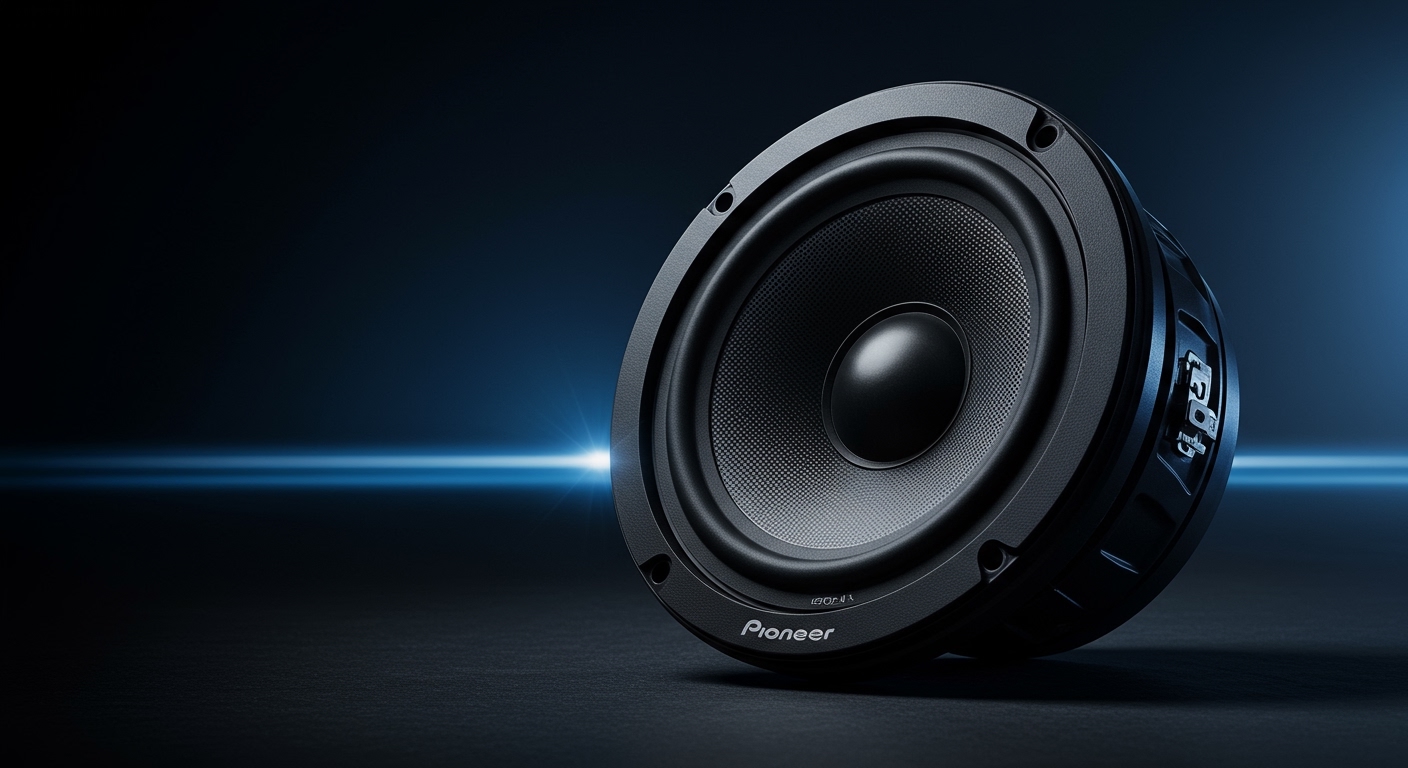
For over 80 years, Pioneer Corporation has defined the “Japanese sound”—characterized by clarity, durability, and technical precision. While they dominate the entry-to-mid-level market, their premium lines often rival boutique brands costing twice as much.
Quick Summary: Key Takeaways
Value King: Pioneer offers the best price-to-performance ratio for car audio upgrades.
Reliability: Most Pioneer speakers are reliable and built to withstand extreme temperatures in vehicles.
Vintage Appeal: Models like the HPM series are still considered “holy grail” items for audiophiles.
Versatility: They cater to everyone from budget-conscious commuters to “Sound Quality” (SQ) competitors.
Step 1: Determine Your Audio Environment
Before purchasing, you must identify where the speakers will live. Pioneer specializes in three distinct categories, and “how good” they are depends entirely on the application.
Car Audio (The Industry Standard)
Are Pioneer door speakers good? Absolutely. They are the most popular aftermarket choice globally. If you are replacing factory “paper” speakers, even the entry-level TS-G series provides a massive jump in vocal clarity and bass punch.
Home Theater and Bookshelf
Pioneer made waves with the Andrew Jones designed series. These speakers redefined what “budget audiophile” meant, offering a balanced, warm soundstage that usually costs thousands of dollars.
Vintage Collections
If you are asking are old Pioneer speakers good, the answer is a resounding yes. Audiophiles hunt for the Pioneer HPM-100 or HPM-60, which were designed by ex-JBL engineers to compete with the legendary L100.
Step 2: Match the Speaker Series to Your Budget
Understanding how much are Pioneer speakers helps you set realistic expectations. Pioneer categorizes their products into “tiers” to help consumers choose.
| Series Name | Category | Target Audience | Price Range (Approx.) |
|---|---|---|---|
| TS-G Series | Car Audio | Budget replacements | $40 – $60 |
| TS-A Series | Car Audio | Mid-range enthusiasts | $80 – $150 |
| TS-Z Series | Car Audio | Hi-Res Audiophiles | $200 – $500 |
| HPM Series | Vintage Home | Collectors / Audiophiles | $300 – $1,200+ |
| SP-BS22-LR | Home Theater | Budget Home Cinema | $100 – $200 |
Step 3: Analyze Technical Specifications (RMS vs. Peak)
To know is Pioneer speakers good for your specific setup, you must look past the “Peak Power” marketing. Peak power is the maximum burst a speaker can handle for a split second.
Focus on RMS (Root Mean Square). This is the continuous power the speaker can handle.
If your head unit puts out 20W RMS, don’t buy 100W RMS speakers; they will sound “thin” because they are underpowered.
Pioneer TS-A speakers usually sit in the 50W-100W RMS sweet spot, making them perfect for most external amplifiers.
Step 4: Evaluate Material Quality and Construction
Who makes Pioneer speakers? They are engineered by Pioneer Corporation, a Japanese multinational. They are famous for using innovative materials that survive harsh environments.
IMPP (Injection Molded Polypropylene): Used in the TS-G and TS-A series for a rigid yet lightweight cone that prevents distortion.
Aramid Fiber: Found in higher-end models to provide the strength needed for deep, fast bass response.
Silk Dome Tweeters: These provide “smooth” highs that won’t fatigue your ears during long listening sessions.
Step 5: Compare Modern vs. Vintage Performance
Many enthusiasts ask: are Pioneer HPM60 speakers any good compared to modern tech?
Modern Pioneer speakers focus on efficiency and digital integration. They are designed to play compressed audio (Spotify/MP3s) and make them sound vibrant.
Vintage Pioneer speakers, however, were built for analog warmth. The HPM-60 and HPM-100 feature carbon fiber cones and super-tweeters that provide a “physical” presence to the music that modern plastic speakers often lack.
Step 6: Choose Where to Buy Pioneer Speakers Safely
To ensure you get a genuine product with a warranty, you must be selective about your source. Counterfeit car audio is a common issue.
Authorized Online Retailers: Crutchfield, Amazon (Official Pioneer Store), and Sonic Electronix.
Big Box Stores: Best Buy (often has demo boards where you can hear them).
Used Market: eBay or Reverb are excellent for finding what are the best vintage Pioneer speakers, but always check the foam surrounds for “rot.”
Expert Pro-Tips for Maximum Performance
Sound Deadening is Non-Negotiable: Even the best Pioneer car speakers will sound “tinny” if mounted on bare metal. Use butyl rubber mats (like Dynamat) to seal the door cavity.
Check the Ohms: Most Pioneer car speakers are 4-ohm. Ensure your amplifier is stable at this impedance to avoid overheating.
The “Break-in” Period: New speakers have stiff spiders and surrounds. Give them 20-40 hours of moderate volume listening before they reach their true bass potential.
Crossover Settings: If using a subwoofer, set your Pioneer door speakers to a High Pass Filter (HPF) of 80Hz. This prevents them from trying to play deep bass, which reduces distortion and increases longevity.
Common Mistakes to Avoid
- Buying based on “Max Power”: As mentioned, Max Power is a vanity metric. Always match your amp to the RMS rating.
- Ignoring the “Fit”: Just because a speaker is 6.5 inches doesn’t mean it fits. Check the mounting depth, especially for Pioneer door speakers in slim vehicles.
- Mixing Brands: For a cohesive “soundstage,” try to keep your front and rear speakers within the same Pioneer series (e.g., all TS-A Series).
Frequently Asked Questions (FAQs)
What are the best Pioneer speakers for bass?
The Pioneer TS-A series (specifically the 6×9 models) are widely considered the best for bass without needing a dedicated subwoofer. Their Carbon & Mica reinforced IMPP cones allow for significant air movement.
Are Pioneer home theater speakers any good for movies?
Yes, specifically the Andrew Jones (SP series). While Pioneer has shifted more focus to car audio recently, their older home theater towers provide an incredibly immersive experience for the price, often beating brands like Sony or Polk in mid-range clarity.
Where are Pioneer speakers made?
While Pioneer is a Japanese company, most modern consumer-grade speakers are manufactured in China or Vietnam under strict quality control. High-end “Reference” series components are still often engineered and sometimes produced in Japan.
How long do Pioneer speakers last?
Modern Pioneer speakers typically last 10 to 15 years in a car environment. Vintage models from the 70s and 80s can last 40+ years, though they may require “re-foaming” (replacing the outer ring of the cone) every few decades.
How Good Are Pioneer Speakers? The Ultimate Performance Guide
Choosing the right audio gear often leads to one burning question: how good are Pioneer speakers in today’s crowded market? Whether you are looking to revive a classic car’s sound system or build a high-fidelity home theater, Pioneer remains a powerhouse brand that balances cost and high-end engineering.
For over 80 years, Pioneer Corporation has defined the “Japanese sound”—characterized by clarity, durability, and technical precision. While they dominate the entry-to-mid-level market, their premium lines often rival boutique brands costing twice as much.
Quick Summary: Key Takeaways
Value King: Pioneer offers the best price-to-performance ratio for car audio upgrades.
Reliability: Most Pioneer speakers are reliable and built to withstand extreme temperatures in vehicles.
Vintage Appeal: Models like the HPM series are still considered “holy grail” items for audiophiles.
Versatility: They cater to everyone from budget-conscious commuters to “Sound Quality” (SQ) competitors.
Step 1: Determine Your Audio Environment
Before purchasing, you must identify where the speakers will live. Pioneer specializes in three distinct categories, and “how good” they are depends entirely on the application.
Car Audio (The Industry Standard)
Are Pioneer door speakers good? Absolutely. They are the most popular aftermarket choice globally. If you are replacing factory “paper” speakers, even the entry-level TS-G series provides a massive jump in vocal clarity and bass punch.
Home Theater and Bookshelf
Pioneer made waves with the Andrew Jones designed series. These speakers redefined what “budget audiophile” meant, offering a balanced, warm soundstage that usually costs thousands of dollars.
Vintage Collections
If you are asking are old Pioneer speakers good, the answer is a resounding yes. Audiophiles hunt for the Pioneer HPM-100 or HPM-60, which were designed by ex-JBL engineers to compete with the legendary L100.
Step 2: Match the Speaker Series to Your Budget
Understanding how much are Pioneer speakers helps you set realistic expectations. Pioneer categorizes their products into “tiers” to help consumers choose.
| Series Name | Category | Target Audience | Price Range (Approx.) |
|---|---|---|---|
| TS-G Series | Car Audio | Budget replacements | $40 – $60 |
| TS-A Series | Car Audio | Mid-range enthusiasts | $80 – $150 |
| TS-Z Series | Car Audio | Hi-Res Audiophiles | $200 – $500 |
| HPM Series | Vintage Home | Collectors / Audiophiles | $300 – $1,200+ |
| SP-BS22-LR | Home Theater | Budget Home Cinema | $100 – $200 |
Step 3: Analyze Technical Specifications (RMS vs. Peak)
To know is Pioneer speakers good for your specific setup, you must look past the “Peak Power” marketing. Peak power is the maximum burst a speaker can handle for a split second.
Focus on RMS (Root Mean Square). This is the continuous power the speaker can handle.
If your head unit puts out 20W RMS, don’t buy 100W RMS speakers; they will sound “thin” because they are underpowered.
Pioneer TS-A speakers usually sit in the 50W-100W RMS sweet spot, making them perfect for most external amplifiers.
Step 4: Evaluate Material Quality and Construction
Who makes Pioneer speakers? They are engineered by Pioneer Corporation, a Japanese multinational. They are famous for using innovative materials that survive harsh environments.
IMPP (Injection Molded Polypropylene): Used in the TS-G and TS-A series for a rigid yet lightweight cone that prevents distortion.
Aramid Fiber: Found in higher-end models to provide the strength needed for deep, fast bass response.
Silk Dome Tweeters: These provide “smooth” highs that won’t fatigue your ears during long listening sessions.
Step 5: Compare Modern vs. Vintage Performance
Many enthusiasts ask: are Pioneer HPM60 speakers any good compared to modern tech?
Modern Pioneer speakers focus on efficiency and digital integration. They are designed to play compressed audio (Spotify/MP3s) and make them sound vibrant.
Vintage Pioneer speakers, however, were built for analog warmth. The HPM-60 and HPM-100 feature carbon fiber cones and super-tweeters that provide a “physical” presence to the music that modern plastic speakers often lack.
Step 6: Choose Where to Buy Pioneer Speakers Safely
To ensure you get a genuine product with a warranty, you must be selective about your source. Counterfeit car audio is a common issue.
Authorized Online Retailers: Crutchfield, Amazon (Official Pioneer Store), and Sonic Electronix.
Big Box Stores: Best Buy (often has demo boards where you can hear them).
Used Market: eBay or Reverb are excellent for finding what are the best vintage Pioneer speakers, but always check the foam surrounds for “rot.”
Expert Pro-Tips for Maximum Performance
Sound Deadening is Non-Negotiable: Even the best Pioneer car speakers will sound “tinny” if mounted on bare metal. Use butyl rubber mats (like Dynamat) to seal the door cavity.
Check the Ohms: Most Pioneer car speakers are 4-ohm. Ensure your amplifier is stable at this impedance to avoid overheating.
The “Break-in” Period: New speakers have stiff spiders and surrounds. Give them 20-40 hours of moderate volume listening before they reach their true bass potential.
Crossover Settings: If using a subwoofer, set your Pioneer door speakers to a High Pass Filter (HPF) of 80Hz. This prevents them from trying to play deep bass, which reduces distortion and increases longevity.
Common Mistakes to Avoid
- Buying based on “Max Power”: As mentioned, Max Power is a vanity metric. Always match your amp to the RMS rating.
- Ignoring the “Fit”: Just because a speaker is 6.5 inches doesn’t mean it fits. Check the mounting depth, especially for Pioneer door speakers in slim vehicles.
- Mixing Brands: For a cohesive “soundstage,” try to keep your front and rear speakers within the same Pioneer series (e.g., all TS-A Series).
Frequently Asked Questions (FAQs)
What are the best Pioneer speakers for bass?
The Pioneer TS-A series (specifically the 6×9 models) are widely considered the best for bass without needing a dedicated subwoofer. Their Carbon & Mica reinforced IMPP cones allow for significant air movement.
Are Pioneer home theater speakers any good for movies?
Yes, specifically the Andrew Jones (SP series). While Pioneer has shifted more focus to car audio recently, their older home theater towers provide an incredibly immersive experience for the price, often beating brands like Sony or Polk in mid-range clarity.
Where are Pioneer speakers made?
While Pioneer is a Japanese company, most modern consumer-grade speakers are manufactured in China or Vietnam under strict quality control. High-end “Reference” series components are still often engineered and sometimes produced in Japan.
How long do Pioneer speakers last?
Modern Pioneer speakers typically last 10 to 15 years in a car environment. Vintage models from the 70s and 80s can last 40+ years, though they may require “re-foaming” (replacing the outer ring of the cone) every few decades.
Final Verdict: Should You Buy Pioneer?
If you are looking for a reliable, high-performance upgrade that doesn’t break the bank, Pioneer speakers are an excellent investment. They offer a “bright” and “energetic” sound profile that breathes life into dull factory systems.
For the best results, skip the entry-level “G” series and move straight to the TS-A series. This is where the brand’s true engineering shines, providing the durability and “punch” that made Pioneer a household name.
Ready to upgrade? Start by measuring your current speaker dimensions and checking your head unit’s RMS output to find your perfect Pioneer match.
**