

The Real Truth: How Long Do Speakers Last?
High-quality speakers typically last between 10 to 20 years, but with meticulous care, many professional-grade systems can perform beautifully for over 40 years. The lifespan depends heavily on the build materials, environment, and usage habits. While budget models may show signs of wear after 5 to 7 years, premium brands often become “vintage” treasures that outlive the electronics driving them.
Expert Summary: Key Takeaways
Average Lifespan: 10–25 years for home audio; 5–10 years for car audio.
Main Failure Point: Foam rot (degradation of the outer ring) and dried-out capacitors in the crossover.
Best Material: Rubber surrounds last significantly longer than foam surrounds.
Top Killer: Extreme humidity, direct sunlight, and clipping (overdriving the amplifier).
Maintenance: Keeping speakers in a climate-controlled room can double their operational life.
Step-By-Step Guide: How to Maximize Your Speaker Lifespan
If you want to ensure your investment lasts decades rather than years, follow these expert-vetted steps for maintenance and operation.
Step 1: Optimize Your Placement and Environment
Position your speakers away from direct sunlight and heat sources. UV rays are the primary enemy of paper cones and foam surrounds, causing them to become brittle and crack.
Keep away from windows: Direct sun can “bake” the delicate materials.
Maintain humidity: Aim for 40-50% humidity. Too dry, and materials crack; too damp, and you risk mold or corrosion on the voice coils.
Avoid radiators: Heat can melt adhesives and dry out the ferrofluid in some tweeters.
Step 2: Use Proper Power Management
Match your amplifier to your speakers’ power requirements. Interestingly, underpowering a speaker is often more dangerous than overpowering it.
Avoid Clipping: When an underpowered amp is pushed too hard, it sends a “clipped” square wave signal. This generates excessive heat that can melt the voice coil.
Turn down the volume: If you hear distortion or “crackling,” you are causing mechanical stress.
Power down safely: Always turn off your amplifier before disconnecting speaker wires to avoid short circuits.
Step 3: Perform Regular Cleaning and Inspection
Dust your speakers frequently using a soft, dry microfiber cloth. Dust accumulation on the cone adds weight, which can affect the frequency response over time.
Leave the grilles on: Grilles (the fabric covers) act as a shield against pets, children, and dust.
Inspect the surrounds: Every 6 months, gently check the outer ring of the woofer. If it feels “sticky” or “crumbly,” you are seeing the start of foam rot.
Step 4: Protect Against Electrical Surges
Invest in a high-quality power conditioner or surge protector. While how long do speakers last is usually a question of mechanical wear, a single power spike can fry the crossover components instantly.
Step 5: Replace Components Before They Fail
Re-edge your woofers if you notice the foam is thinning. You can buy “re-foaming kits” for $20-$50, which is much cheaper than buying new JBL or Klipsch towers.
Essential Tools for Speaker Longevity
| Tool/Material | Purpose | Expert Recommendation |
|---|---|---|
| Microfiber Cloth | Dust removal without scratching | Use high-GSM lint-free cloths |
| Surge Protector | Prevents electrical damage | Use a dedicated Power Conditioner |
| DeoxIT Cleaner | Cleans oxidized wire terminals | Apply to copper/banana plugs annually |
| Hygrometer | Monitors room humidity | Keep levels between 40% and 55% |
| Rubber Protectant | Keeps rubber surrounds supple | Use only non-petroleum based sprays |
How Long Do Car Speakers Last?
When asking how long do car speakers last, the answer is unfortunately shorter than home audio. On average, factory car speakers last 5 to 10 years.
Why Car Speakers Fail Faster
Temperature Extremes: Cars fluctuate from freezing nights to 140°F (60°C) summer afternoons. This constant expansion and contraction weakens adhesives.
UV Exposure: Dash-mounted speakers (tweeters) take a constant beating from the sun.
Moisture: Door speakers are frequently exposed to humidity and occasional rain drips inside the door panel.
Pro Tip: If you want your car audio to last, upgrade to aftermarket speakers with polypropylene cones and butyl rubber surrounds. These synthetic materials resist moisture and heat much better than the treated paper found in stock factory speakers.
Common Factors That Shorten Speaker Life
Mechanical Wear (The Surround)
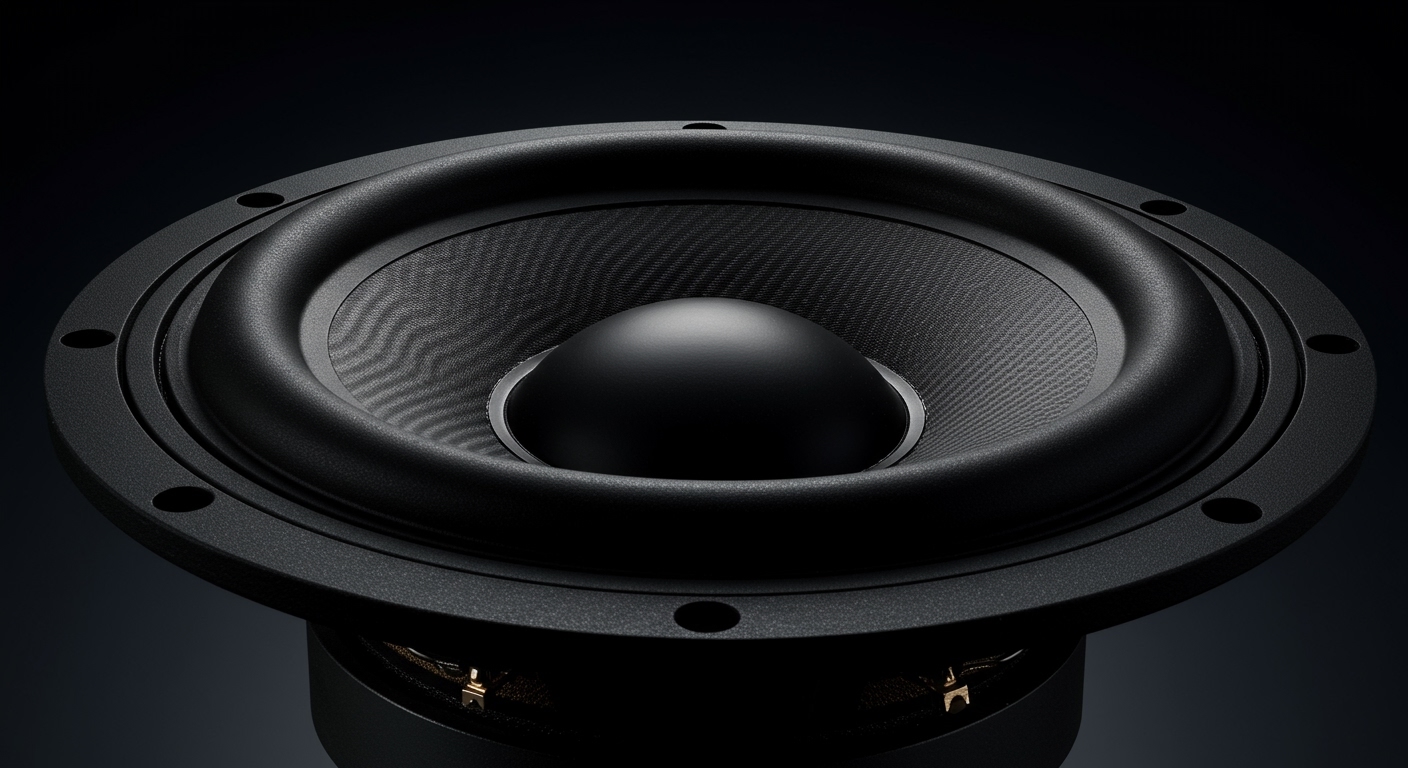
The surround is the flexible ring that allows the cone to move. Foam surrounds are notorious for “dry rot.” In my experience, I’ve seen Bose speakers from the 90s completely disintegrate because of foam failure, whereas rubber-surround models from the same era still look brand new.
Crossover Capacitor Aging
Inside your speaker is a circuit called a crossover. It uses electrolytic capacitors to send the right frequencies to the right drivers. These capacitors contain fluid that can dry out over 15-20 years, leading to a “dull” or “muddy” sound.
Voice Coil Burnout
If you consistently play music at “redline” volumes, the voice coil (the wire coil that moves the cone) gets hot. Over time, the insulation on the wire can melt, causing a permanent short and a dead speaker.
Expert Advice: Signs Your Speakers Are Dying
Before you trash your setup, look for these specific “red flags” that indicate your speakers are reaching the end of their life:
Thinning Sound: If the bass feels “weak” or “loose,” the spider (internal suspension) may have lost its tension.
Scratchy Noises: This often indicates a rubbing voice coil or a tear in the cone.
Visual Crumbling: If you touch the outer ring and it leaves a black residue on your finger, foam rot has set in.
Intermittent Output: This usually points to a failing crossover or a loose internal connection rather than a dead driver.
Frequently Asked Questions (FAQs)
Can I repair speakers that have stopped working?
Yes, most speakers are repairable. You can “re-foam” a woofer, replace a blown tweeter, or swap out old capacitors in the crossover. If the cabinet (the wood box) is in good shape, repairing is often better for the environment and your wallet.
Does playing loud music make speakers die faster?
Absolutely. Constant high-volume play increases heat in the voice coil and causes more aggressive mechanical stretching of the surround and spider. However, playing at moderate levels does not “wear out” a speaker in any significant way.
How long do Bluetooth speakers last compared to wired ones?
Bluetooth speakers usually last only 3 to 5 years. The bottleneck isn’t the speaker driver itself, but the Lithium-ion battery. Once the battery loses its ability to hold a charge, the speaker becomes a “paperweight” unless it can run exclusively on a plug.
Is it worth buying 20-year-old used speakers?
Yes, if they are high-end brands like KEF, B&W, or Tannoy. Just ensure the surrounds are made of rubber or have been recently replaced. High-end speakers from the 80s and 90s often sound better than modern budget speakers.
Conclusion: Making Your Audio Last a Lifetime
Understanding how long do speakers last is about recognizing that a speaker is both a mechanical and an electrical device. While the magnets and copper wire can last a century, the flexible parts—the foam, paper, and rubber—are the clock that is always ticking.
By keeping your gear out of the sun, managing your volume levels, and choosing speakers with rubber surrounds, you can easily enjoy your favorite music for 20 years or more. If you are dealing with car speakers, expect a shorter 5-10 year window, but remember that upgrading to marine-grade or synthetic materials can significantly extend that timeframe.
Ready to upgrade your sound? Check out our latest reviews on high-durability bookshelf speakers to find a pair that will stay with you for the next two decades!









