

Understanding the Basics: What is a Speakers Bureau?
What is a speakers bureau? A speakers bureau is a professional agency that acts as an intermediary between organizations seeking keynote speakers and the speakers themselves. These agencies manage the logistics, marketing, and contract negotiations, allowing experts to focus on their content while the bureau handles the business side of event bookings.
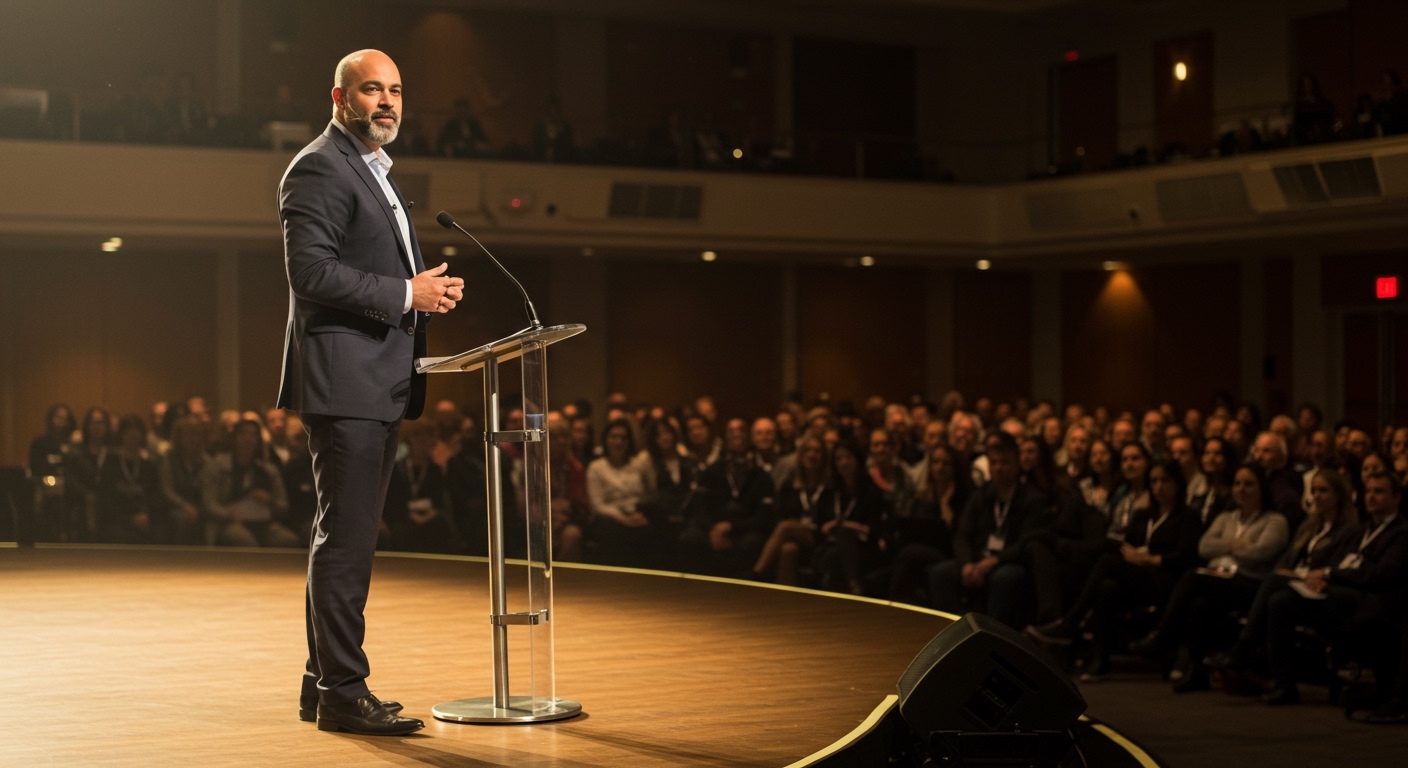
Essentially, a speakers bureau functions like a talent agent in the entertainment industry. They curate a roster of high-quality talent—ranging from former world leaders to industry experts—and match them with corporations, non-profits, and event planners. For a professional speaker, understanding how to join a speakers bureau is often the “holy grail” of career progression, as it provides access to high-budget stages that are rarely accessible through cold outreach.
Expert Summary: Key Takeaways
Definition: What is a speakers bureau? It is a matchmaking service for event planners and professional speakers.
Revenue Model: Most bureaus operate on a commission basis, typically taking 20% to 30% of the total speaking fee.
Selection Criteria: Bureaus look for “stage-ready” talent with a proven track record, a high-quality video reel, and a clear unique selling proposition (USP).
The Cluster 200 Strategy: This is a systematic approach to identifying, vetting, and pitching to the top 200 bureaus globally to maximize booking potential.
Benefit: Joining a bureau provides instant credibility and offloads the administrative burden of invoicing, travel logistics, and contract enforcement.
The “Cluster 200” Framework: Mastering the Speakers Bureau Circuit
To succeed in the modern speaking industry, you cannot simply wait for a bureau to find you. You must implement the Cluster 200 strategy. This method involves identifying the 200 most relevant bureaus, agencies, and event planners in your specific niche and building a structured relationship with them.
Step 1: Define Your “Marketable Niche”
Before you can learn how to join a speakers bureau, you must define exactly what problem you solve for an audience. Bureaus do not book “generalists.” They book experts.
Identify your core pillar: Are you a leadership expert, a technology futurist, or a mental health advocate?
Quantify your results: Use data. Instead of saying “I help teams,” say “I helped Fortune 500 companies reduce turnover by 15%.”
Target specific industries: Determine if your message resonates best with healthcare, finance, or tech sectors.
Step 2: Assemble Your “Bureau-Ready” Marketing Suite
A bureau will not represent you if you do not look the part. You need a digital “one-sheet” and a high-energy video reel.
| Asset Type | Requirement | Why It Matters |
|---|---|---|
| Sizzle Reel | 3-5 minutes of live footage | Bureaus need to see how you command a room before they risk their reputation on you. |
| Speaker One-Sheet | 1-page PDF summary | This is your professional resume; it includes your bio, topics, and testimonials. |
| Website | Clean, mobile-responsive | A speakers bureau will check your site to ensure you are a standalone authority. |
| Fee Schedule | Clear, tiered pricing | Transparency helps bureaus know which clients can afford you. |
Step 3: Execute the Cluster 200 Outreach
This is where the Cluster 200 name comes from. You will build a database of 200 potential partners (100 global bureaus and 100 niche-specific agencies).
- Research the Top Tiers: Start with major players like Washington Speakers Bureau, Harry Walker Agency, and APB Speakers.
- Find Boutique Agencies: Search for agencies that specialize in your specific field (e.g., “Tech Speakers Bureaus”).
- Use LinkedIn for Intelligence: Identify the “Agent” or “Talent Scout” at each bureau. Boldly connect with them, but do not pitch immediately.
- The “Slow-Burn” Introduction: Send a personalized note mentioning a specific speaker on their roster that you admire and explain how your topic complements theirs.
Step 4: Master the Application Process
Knowing how to join a speakers bureau requires following their specific submission guidelines. Most bureaus have an “Apply” or “Join Our Roster” link at the bottom of their website.
Customized Submissions: Never send a generic BCC email. Address the lead agent by name.
The “Referral” Shortcut: The easiest way to join is through a referral from an existing speaker on their roster.
Highlight Your “Non-Compete” Value: Show the bureau that you have your own lead generation but need them for high-level “unsolicited” inquiries.
Step 5: Negotiate Your Commission and Contracts
Once a speakers bureau expresses interest, you must understand the financial mechanics.
Standard Commissions: Expect to pay 25% on average. Some high-end bureaus may ask for 30%.
Exclusivity vs. Non-Exclusivity: Avoid exclusive contracts early in your career. You want to be on as many rosters as possible.
The “Price Integrity” Rule: Never undercharge a direct client if you are also listed on a bureau. If a bureau sees you listed for $5,000 on your site but they are quoting $10,000, you will be blacklisted.
Understanding the Basics: What is a Speakers Bureau?
What is a speakers bureau? A speakers bureau is a professional agency that acts as an intermediary between organizations seeking keynote speakers and the speakers themselves. These agencies manage the logistics, marketing, and contract negotiations, allowing experts to focus on their content while the bureau handles the business side of event bookings.
Essentially, a speakers bureau functions like a talent agent in the entertainment industry. They curate a roster of high-quality talent—ranging from former world leaders to industry experts—and match them with corporations, non-profits, and event planners. For a professional speaker, understanding how to join a speakers bureau is often the “holy grail” of career progression, as it provides access to high-budget stages that are rarely accessible through cold outreach.
Expert Summary: Key Takeaways
Definition: What is a speakers bureau? It is a matchmaking service for event planners and professional speakers.
Revenue Model: Most bureaus operate on a commission basis, typically taking 20% to 30% of the total speaking fee.
Selection Criteria: Bureaus look for “stage-ready” talent with a proven track record, a high-quality video reel, and a clear unique selling proposition (USP).
The Cluster 200 Strategy: This is a systematic approach to identifying, vetting, and pitching to the top 200 bureaus globally to maximize booking potential.
Benefit: Joining a bureau provides instant credibility and offloads the administrative burden of invoicing, travel logistics, and contract enforcement.
The “Cluster 200” Framework: Mastering the Speakers Bureau Circuit
To succeed in the modern speaking industry, you cannot simply wait for a bureau to find you. You must implement the Cluster 200 strategy. This method involves identifying the 200 most relevant bureaus, agencies, and event planners in your specific niche and building a structured relationship with them.
Step 1: Define Your “Marketable Niche”
Before you can learn how to join a speakers bureau, you must define exactly what problem you solve for an audience. Bureaus do not book “generalists.” They book experts.
Identify your core pillar: Are you a leadership expert, a technology futurist, or a mental health advocate?
Quantify your results: Use data. Instead of saying “I help teams,” say “I helped Fortune 500 companies reduce turnover by 15%.”
Target specific industries: Determine if your message resonates best with healthcare, finance, or tech sectors.
Step 2: Assemble Your “Bureau-Ready” Marketing Suite
A bureau will not represent you if you do not look the part. You need a digital “one-sheet” and a high-energy video reel.
| Asset Type | Requirement | Why It Matters |
|---|---|---|
| Sizzle Reel | 3-5 minutes of live footage | Bureaus need to see how you command a room before they risk their reputation on you. |
| Speaker One-Sheet | 1-page PDF summary | This is your professional resume; it includes your bio, topics, and testimonials. |
| Website | Clean, mobile-responsive | A speakers bureau will check your site to ensure you are a standalone authority. |
| Fee Schedule | Clear, tiered pricing | Transparency helps bureaus know which clients can afford you. |
Step 3: Execute the Cluster 200 Outreach
This is where the Cluster 200 name comes from. You will build a database of 200 potential partners (100 global bureaus and 100 niche-specific agencies).
- Research the Top Tiers: Start with major players like Washington Speakers Bureau, Harry Walker Agency, and APB Speakers.
- Find Boutique Agencies: Search for agencies that specialize in your specific field (e.g., “Tech Speakers Bureaus”).
- Use LinkedIn for Intelligence: Identify the “Agent” or “Talent Scout” at each bureau. Boldly connect with them, but do not pitch immediately.
- The “Slow-Burn” Introduction: Send a personalized note mentioning a specific speaker on their roster that you admire and explain how your topic complements theirs.
Step 4: Master the Application Process
Knowing how to join a speakers bureau requires following their specific submission guidelines. Most bureaus have an “Apply” or “Join Our Roster” link at the bottom of their website.
Customized Submissions: Never send a generic BCC email. Address the lead agent by name.
The “Referral” Shortcut: The easiest way to join is through a referral from an existing speaker on their roster.
Highlight Your “Non-Compete” Value: Show the bureau that you have your own lead generation but need them for high-level “unsolicited” inquiries.
Step 5: Negotiate Your Commission and Contracts
Once a speakers bureau expresses interest, you must understand the financial mechanics.
Standard Commissions: Expect to pay 25% on average. Some high-end bureaus may ask for 30%.
Exclusivity vs. Non-Exclusivity: Avoid exclusive contracts early in your career. You want to be on as many rosters as possible.
The “Price Integrity” Rule: Never undercharge a direct client if you are also listed on a bureau. If a bureau sees you listed for $5,000 on your site but they are quoting $10,000, you will be blacklisted.
Essential Tools for Speakers Bureau Success
To manage the Cluster 200 process effectively, you need a robust tech stack.
| Tool | Purpose | Recommendation |
|---|---|---|
| CRM | Track outreach to 200+ bureaus | HubSpot or Pipedrive |
| Video Hosting | High-quality reel delivery | Vimeo (Professional Version) |
| Email Tracking | See when agents open your pitch | Yesware or Mailtrack |
| Design Tool | Create your One-Sheet | Canva Pro or Adobe InDesign |
Pro Tips for Staying Booked via Bureaus
The “Bureau-Friendly” Fee: Always include your commission in your quote. If you want to pocket $7,500, your “gross fee” should be $10,000.
Send “Thank You” Notes: After a gig, send the agent who booked you a quick summary of how it went, including a photo of the audience.
Keep Your Reel Fresh: Update your video every 12-18 months. Bureaus hate “stale” footage with outdated clothing or low-resolution video.
Be the “Easy” Speaker: Bureaus love speakers who are low-maintenance. Respond to emails within 2 hours and be flexible with travel.
Common Mistakes to Avoid
- Applying too early: If you don’t have at least 10 paid professional gigs under your belt, wait.
- Poor Audio Quality: A bureau will forgive a shaky camera, but they will never forgive bad audio on your reel.
- Ignoring the “Niche”: Don’t say you can talk about “everything.” It makes you unmarketable.
- Bypassing the Agent: Never try to “steal” a client from a bureau. It is the fastest way to ruin your reputation in the industry.
Frequently Asked Questions
(FAQs)
What is a speakers bureau vs. a talent agency?
While both represent talent, a speakers bureau focuses specifically on corporate events, keynotes, and workshops. Talent agencies often cover a broader spectrum including film, TV, and literary deals. Bureaus are more specialized in the B2B (Business to Business) event space.
How to join a speakers bureau if I am a new speaker?
New speakers should focus on “Boutique Bureaus” first. Build your “social proof” by speaking at local chapters of the National Speakers Association (NSA) or TEDx events. Once you have a high-quality video of a 45-minute talk, you can begin the Cluster 200 outreach process.
Do speakers bureaus charge an upfront fee?
No. Legitimate speakers bureaus only make money when you make money. If an agency asks for an “onboarding fee” or a “listing fee,” it is likely a scam or a low-quality directory rather than a professional bureau.
How much can I earn through a speakers bureau?
Earnings vary wildly based on your expertise. Entry-level bureau speakers typically command $5,000 – $10,000 per engagement. Established experts and “celebrity” speakers can earn anywhere from $25,000 to $250,000+ per keynote.
Conclusion: Take Action on Your Speaking Career
Understanding what is a speakers bureau is only the first step; the real work lies in the execution of the Cluster 200 strategy. By treating your speaking career as a business and systematically building relationships with bureaus, you move from “chasing gigs” to “receiving inquiries.”
Remember, a speakers bureau is looking for partners, not just talent. They want speakers who are professional, reliable, and—above all—experts at delivering a transformational experience for their clients. Start by auditing your current materials today. If your video reel isn’t at a professional standard, make that your priority before reaching out to any of the top-tier agencies.
Ready to scale your stage presence? Begin by listing your first 20 target bureaus and refining your “One-Sheet” to reflect the high-value expert you are.









