

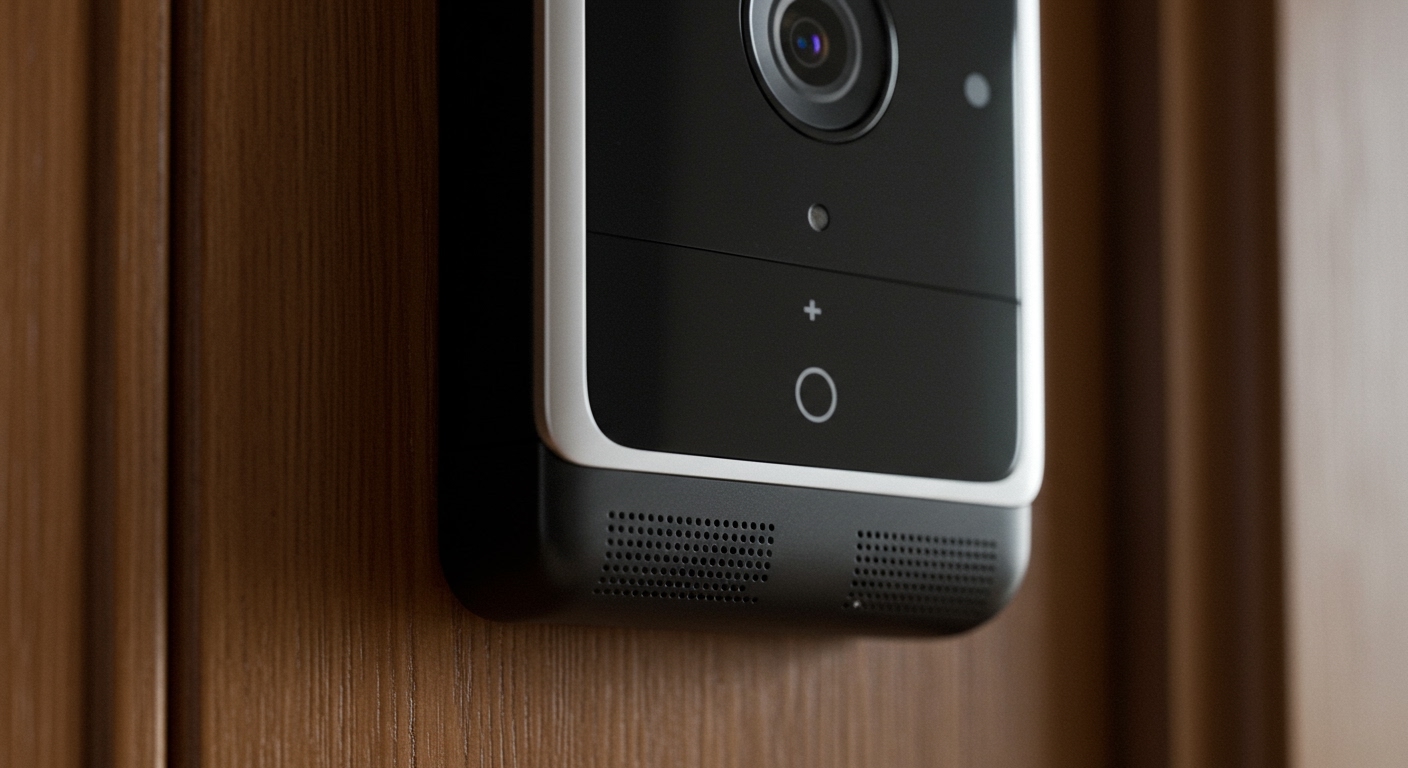
Are you struggling to hear your visitors or wondering where are doorbell speakers located on your new device? Most modern doorbell speakers are found on the bottom or sides of the exterior unit, often hidden behind tiny perforated holes or grilles to protect them from rain and debris.
Key Takeaways: Expert Summary
Location: Most speakers are situated on the underside or lower front of the doorbell housing to prevent water ingress.
Function: They facilitate Two-Way Talk, allowing you to communicate with visitors via your smartphone.
Maintenance: Keeping these speaker grilles clear of dust and spider webs is essential for maintaining clear audio quality.
Brand Variations: Ring usually places speakers on the sides, while Nest often hides them at the bottom.
Where Are Doorbell Speakers Located?
Finding the exact spot where are doorbell speakers can be tricky because manufacturers design them to be discreet and weather-resistant. In my experience installing dozens of smart home systems, the speaker is almost never on the front face where the button is. Instead, look for a series of small pinholes or a mesh-like texture on the bottom edge of the device.
For traditional wired doorbells, the “speaker” isn’t on the outside at all. In these older systems, the sound comes from a mechanical chime box mounted high on a wall inside your hallway or kitchen. However, for modern smart doorbells like Ring, Nest, or Arlo, the speaker is integrated directly into the outdoor camera unit to allow for real-time communication.
| Doorbell Brand | Primary Speaker Location | Audio Feature |
|---|---|---|
| Ring Video Doorbell | Left and Right sides (perforated holes) | Two-way audio with noise cancellation |
| Google Nest Doorbell | Bottom edge of the unit | High-quality 2-way talk |
| Arlo Video Doorbell | Bottom or lower front | Siren and 2-way audio |
| Eufy Security | Bottom rear/side | Local AI processing audio |
Key Takeaways: Expert Summary
Location: Most speakers are situated on the underside or lower front of the doorbell housing to prevent water ingress.
Function: They facilitate Two-Way Talk, allowing you to communicate with visitors via your smartphone.
Maintenance: Keeping these speaker grilles clear of dust and spider webs is essential for maintaining clear audio quality.
Brand Variations: Ring usually places speakers on the sides, while Nest often hides them at the bottom.
Where Are Doorbell Speakers Located?
Finding the exact spot where are doorbell speakers can be tricky because manufacturers design them to be discreet and weather-resistant. In my experience installing dozens of smart home systems, the speaker is almost never on the front face where the button is. Instead, look for a series of small pinholes or a mesh-like texture on the bottom edge of the device.
For traditional wired doorbells, the “speaker” isn’t on the outside at all. In these older systems, the sound comes from a mechanical chime box mounted high on a wall inside your hallway or kitchen. However, for modern smart doorbells like Ring, Nest, or Arlo, the speaker is integrated directly into the outdoor camera unit to allow for real-time communication.
| Doorbell Brand | Primary Speaker Location | Audio Feature |
|---|---|---|
| Ring Video Doorbell | Left and Right sides (perforated holes) | Two-way audio with noise cancellation |
| Google Nest Doorbell | Bottom edge of the unit | High-quality 2-way talk |
| Arlo Video Doorbell | Bottom or lower front | Siren and 2-way audio |
| Eufy Security | Bottom rear/side | Local AI processing audio |
Step 1: Identify Your Doorbell Type
Before searching for where are the doorbell speakers, you must determine if you have a mechanical or digital/smart system. Mechanical systems use a physical hammer hitting a metal bar, meaning the “speaker” is actually a chime located inside your home.
If you have a video doorbell, the speaker is part of the exterior hardware. Smart units use high-output micro-speakers that require specific placement to ensure the visitor can hear you over ambient street noise. Knowing your model is the first step to troubleshooting muffled sound.
Step 2: Inspect the Exterior Housing
To find where are the speakers for a doorbell, turn the device over or look at it from a low angle. Manufacturers like Ring often place the speaker grilles on the sides to create a wider sound stage. This placement helps the visitor hear your voice even if they aren’t standing directly in front of the lens.
Check for Hidden Grilles
Bottom Placement: This is the most common spot to prevent rain from entering the speaker diaphragm.
Side Slits: Some sleek designs use thin vertical slits along the side of the faceplate.
Rear Ports: In some battery-powered models, the speaker sound may port through the back and reflect off your house siding.
Step 3: Test the Audio Output
If you still can’t find where are the speakers for doorbells on your specific model, use the mobile app to trigger a sound. Open your doorbell’s live view and tap the “Talk” or “Microphone” icon. Speak into your phone and move your ear close to the doorbell unit (without blocking the camera).
You will feel a slight vibration or hear the sound emanating from a specific point. This is the most practical way to locate where the speakers for the doorbell at if the holes are too small to see clearly with the naked eye. I often use this method when troubleshooting older units where the grilles might be clogged with paint or grime.
Step 4: Clear Obstructions and Debris
Once you’ve identified where are the speakers for the doorbell, check for blockages. Over time, salt buildup (if you live near the ocean), dust, and insect nests can plug the tiny speaker holes. This leads to “thin” or distorted audio that makes it impossible to understand visitors.
How to Clean Doorbell Speakers
- Use Compressed Air: Direct short bursts of air across the speaker grille (not directly into it) to dislodge dust.
- Soft Brush: Use a clean, dry toothbrush to gently scrub the perforated area.
- Avoid Liquids: Never spray liquid cleaners directly onto the speaker holes, as this can ruin the waterproof membrane.
Pro Tips for Better Doorbell Audio
Mounting Surface: If your doorbell is mounted on deeply recessed brick, the sound might bounce back and cause an echo. Use a wedge kit to angle the speaker toward the open air.
Volume Settings: Most people don’t realize that Ring and Nest apps have separate volume sliders for the exterior speaker. Check your app settings if the sound is too low.
Wifi Strength: If the audio is “choppy,” it’s rarely a speaker hardware issue. It’s usually a result of low upload speeds at your front door.
Common Mistakes to Avoid
Painting Over the Grille: When painting your house, many homeowners accidentally paint over the speaker holes. This completely muffles the sound and is very difficult to fix.
Covering with Silicon: When sealing the doorbell against the wall, ensure you don’t let excess caulk or silicon seep into the bottom speaker ports.
- Ignoring the Microphone: The microphone is usually a separate, tiny hole near the top. Don’t confuse the two!
FAQs About Doorbell Speaker Locations
Why can’t I find where the speakers for the doorbell at on my Ring?
On Ring models, the speakers are typically located on the sides of the device. Look for the small, circular perforated patterns. If you have a Ring Wired, the speaker may be more discreetly tucked into the bottom edge to maintain a slim profile.
Can I replace a blown doorbell speaker?
For most smart doorbells, the speaker is soldered to the main board and sealed for weatherproofing. Replacing just the speaker is difficult for DIYers. If the speaker is blown, it is often covered under warranty if the device hasn’t been physically tampered with.
Does the speaker location affect the siren volume?
Yes. Since the siren sound comes from the same speaker used for two-way talk, any obstruction in the doorbell speaker location will significantly reduce the effectiveness of the security siren. Ensure the bottom of your doorbell is always clear of seasonal decorations or debris.
Why is my doorbell speaker making a crackling noise?
Crackling usually indicates water ingress or a loose wiring connection. If you’ve confirmed where are doorbell speakers on your unit, check if that area is wet. If it’s a wired model, ensure the power transformer is providing the correct voltage (usually 16-24V AC), as underpowering can cause audio distortion.
Conclusion
Locating where are doorbell speakers is the first step in ensuring your smart home security system functions correctly. By checking the bottom and sides of your device and keeping those grilles clear of debris, you ensure crystal-clear communication with anyone at your door.
If you’ve cleaned the speaker and checked your app settings but still experience poor audio, it may be time to inspect your Wi-Fi signal strength or consider a wedge mount to improve sound projection. Ready to upgrade your front door experience? Check your manufacturer’s app today to fine-tune your audio settings!









