

Understanding Why You Need to Disable Steam Streaming Speakers
To how to disable steam streaming speakers, the fastest method is to right-click the Sound icon in your taskbar, select Playback devices (or Sound Settings), right-click Steam Streaming Speakers, and choose Disable. This virtual driver is part of the Steam Remote Play ecosystem, designed to route audio to remote devices, but it often interferes with local hardware like headphones or desktop speakers.
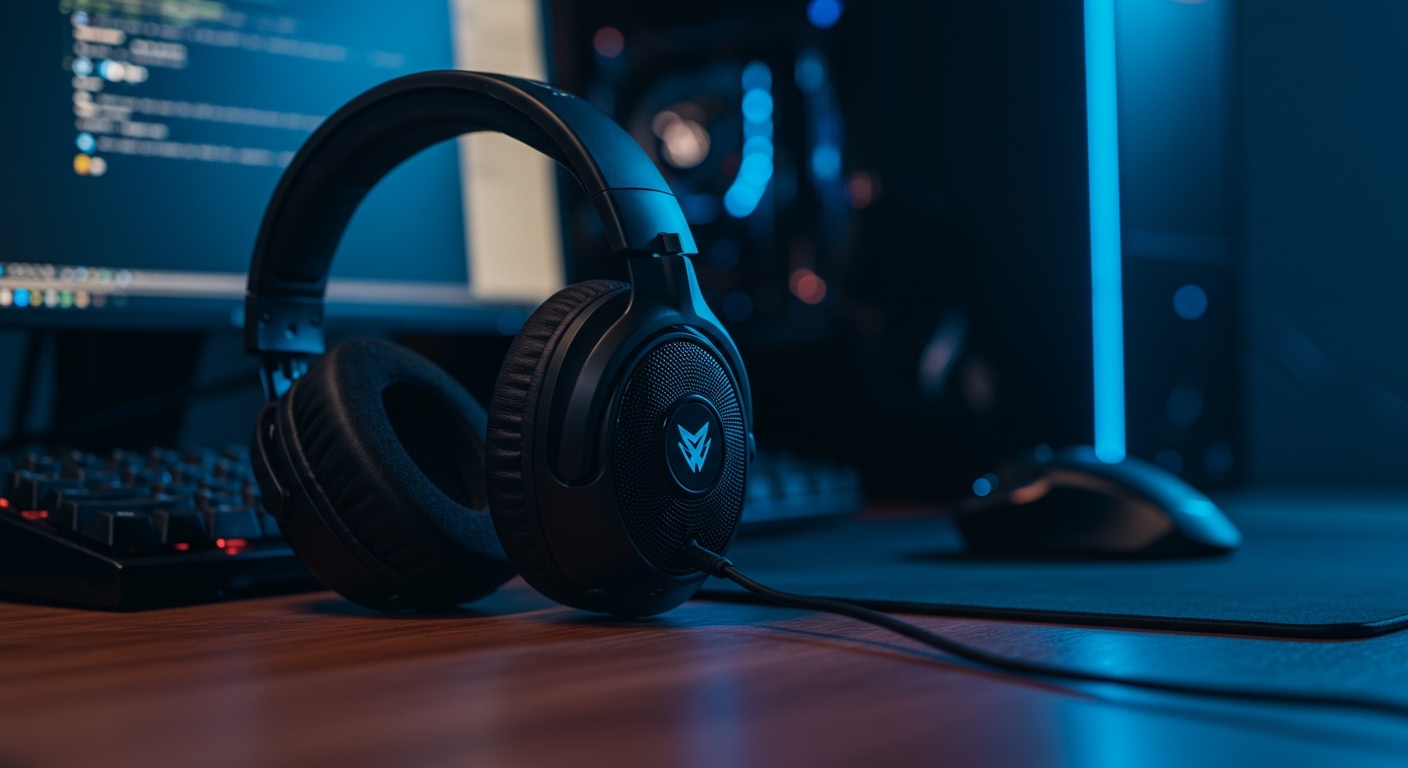
As a veteran PC hardware analyst, I have seen these drivers cause “no sound” bugs in titles like Cyberpunk 2077 and Apex Legends. Removing or silencing these drivers ensures your Windows OS prioritizes your physical DAC, Soundcard, or USB Headset instead of a virtual bridge that isn’t currently in use.
Expert Summary: Key Takeaways
Primary Goal: Stop Windows from automatically switching your default audio output to the virtual Steam driver.
Best Method: Disabling via the Windows Sound Control Panel is the most stable fix.
Permanent Fix: Uninstalling via Device Manager is required to fully how to remove steam streaming speakers.
Prevention: Turning off Steam Remote Play in the Steam settings prevents the driver from reactivating after a client update.
Tools and Requirements for Audio Troubleshooting
Before diving into the technical steps, ensure you have the necessary administrative access to your PC.
| Tool/Requirement | Purpose | Necessity |
|---|---|---|
| Windows Admin Account | To modify system drivers and sound settings. | Essential |
| Steam Client | To access internal Remote Play configurations. | Essential |
| Device Manager | To physically remove or disable the driver software. | Essential |
| Sound Control Panel | To manage default playback devices and priorities. | Essential |
Understanding Why You Need to Disable Steam Streaming Speakers
To how to disable steam streaming speakers, the fastest method is to right-click the Sound icon in your taskbar, select Playback devices (or Sound Settings), right-click Steam Streaming Speakers, and choose Disable. This virtual driver is part of the Steam Remote Play ecosystem, designed to route audio to remote devices, but it often interferes with local hardware like headphones or desktop speakers.
As a veteran PC hardware analyst, I have seen these drivers cause “no sound” bugs in titles like Cyberpunk 2077 and Apex Legends. Removing or silencing these drivers ensures your Windows OS prioritizes your physical DAC, Soundcard, or USB Headset instead of a virtual bridge that isn’t currently in use.
Expert Summary: Key Takeaways
Primary Goal: Stop Windows from automatically switching your default audio output to the virtual Steam driver.
Best Method: Disabling via the Windows Sound Control Panel is the most stable fix.
Permanent Fix: Uninstalling via Device Manager is required to fully how to remove steam streaming speakers.
Prevention: Turning off Steam Remote Play in the Steam settings prevents the driver from reactivating after a client update.
Tools and Requirements for Audio Troubleshooting
Before diving into the technical steps, ensure you have the necessary administrative access to your PC.
| Tool/Requirement | Purpose | Necessity |
|---|---|---|
| Windows Admin Account | To modify system drivers and sound settings. | Essential |
| Steam Client | To access internal Remote Play configurations. | Essential |
| Device Manager | To physically remove or disable the driver software. | Essential |
| Sound Control Panel | To manage default playback devices and priorities. | Essential |
Step 1: Disable Steam Streaming Speakers via Sound Settings
This is the most common solution. It keeps the driver installed but tells Windows to ignore it. This is ideal if you occasionally use Steam Link but want your PC to stay on your main speakers normally.
Access the Sound Control Panel
Open the Start Menu and type “Control Panel.” Navigate to Hardware and Sound, then click on Sound. Alternatively, right-click the speaker icon in your system tray and select Sound Settings > More sound settings.
Locate the Steam Virtual Driver
Under the Playback tab, scroll through the list of devices. Look for an entry labeled Steam Streaming Speakers. You will notice it is likely listed as “Ready” or “Default Device.”
Set a New Default and Disable
- Right-click your actual speakers or headset and select Set as Default Device.
- Right-click the Steam Streaming Speakers.
- Select Disable from the context menu.
- The icon will turn grey or disappear. Click Apply and then OK.
Step 2: How to Remove Steam Streaming Speakers via Device Manager
If disabling isn’t enough and the device keeps reappearing, you need to know how to remove steam streaming speakers at the driver level. This process uninstalls the virtual hardware component from the Windows kernel.
Open Device Manager
Press Windows Key + X on your keyboard and select Device Manager from the quick access menu. This tool manages every piece of hardware (and virtual hardware) connected to your motherboard.
Expand Audio Inputs and Outputs
Click the small arrow next to Audio inputs and outputs. You will see the Steam Streaming Speakers listed here.
Uninstall the Device
- Right-click on Steam Streaming Speakers.
- Select Uninstall device.
- A warning box will appear; check the box that says Delete the driver software for this device if it is available.
- Click Uninstall.
Repeat for Sound Controllers
Scroll down to Sound, video and game controllers. Find the Steam Streaming Speakers entry here as well and repeat the uninstallation process to ensure no legacy files remain.
Step 3: Disable Steam Remote Play to Prevent Reinstallation
Steam is persistent. Often, when the Steam Client updates, it detects the missing driver and tries to “repair” the installation. To how to get rid of steam streaming speakers permanently, you must toggle the feature off within the app.
- Launch Steam and log into your account.
- Click on Steam in the top-left corner and select Settings.
- Navigate to the Remote Play tab in the sidebar.
- Find the toggle for Enable Remote Play and switch it to Off.
- Restart Steam to apply the changes.
By disabling this, Steam no longer sees a reason to maintain the virtual audio bridge, effectively preventing the drivers from being pushed back onto your system during the next patch.
Step 4: Advanced Cleanup via PowerShell (Optional)
For power users who find the drivers still lingering in the registry, PowerShell offers a more surgical approach. This is useful if the “Uninstall” option in Device Manager is greyed out or non-functional.
- Right-click the Start button and select Windows PowerShell (Admin).
- Type the following command to see all audio drivers:
Get-PnpDevice -Class AudioEndpoint - Identify the InstanceId for the Steam driver.
- Run the removal command (replace ‘ID’ with the actual ID found):
pnputil /delete-driver /uninstall /force
Note: Be extremely careful with PowerShell. Deleting the wrong driver can disable your actual system audio.
Expert Tips for Managing Virtual Audio Drivers
Managing a gaming PC requires a balance between software features and hardware performance. Here is some expert advice on handling virtual devices:
Check for Conflicts: If you use NVIDIA Broadcast, VoiceMeeter, or Sonar by SteelSeries, these apps often “fight” with Steam for control over your audio stream. Always disable unused virtual drivers to reduce CPU interrupts.
Update Your Real Drivers: Sometimes Windows switches to Steam Speakers because your main Realtek or Creative drivers crashed. Keep your motherboard audio drivers updated to ensure they remain the “preferred” choice for the OS.
Use Profiles: If you enjoy Steam Remote Play but hate the driver issues, use a tool like SoundSwitch. It allows you to toggle between audio profiles with a hotkey, so you can enable Steam speakers only when you are actually streaming to your TV.
Common Mistakes to Avoid
Deleting Files Manually: Never go into C:Program Files (x86)Steam and manually delete .dll or .sys files. This will cause Steam to crash on startup or trigger a massive re-download.
Ignoring the Microphone: Steam also installs a Steam Streaming Microphone. If people can’t hear you on Discord, check your input settings; Windows might have swapped your mic to the Steam virtual input.
Forgetting Windows Updates: Sometimes a Windows Update will reset your “Default Audio Device” to the first available driver alphabetically. Since “Steam” starts with S, it often gets picked over “Realtek.”
Frequently Asked Questions
(FAQs)
Why does Steam keep adding streaming speakers back?
Steam views the streaming speakers as a core component for Remote Play. If Remote Play is enabled in your settings, the Steam client will automatically reinstall the drivers during every update. To stop this, you must disable Remote Play in the Steam Settings menu.
Will disabling these speakers affect my local gameplay?
No. Disabling Steam Streaming Speakers will not affect your local game audio. In fact, it often improves stability by preventing Windows from accidentally routing game audio to a non-existent virtual device, which usually results in total silence.
How do I get the speakers back if I want to use Steam Link?
If you decide to use Steam Link or Remote Play again, simply go to Steam Settings > Remote Play and toggle it back to On. Steam will prompt you to install the necessary drivers, or it will automatically re-enable them in your Sound Control Panel.
Is the Steam Streaming Speaker driver a virus?
No, it is a legitimate virtual driver developed by Valve Corporation. It acts as a “sink” to capture your PC’s audio and compress it to be sent over your local network to another device.
Conclusion
Knowing how to disable steam streaming speakers is essential for maintaining a clean and functional Windows audio environment. Whether you choose to simply mute the device in the Sound Control Panel or perform a full removal via Device Manager, taking control of your virtual drivers prevents frustrating “no audio” bugs during your gaming sessions.
If you frequently switch between local play and streaming, I recommend keeping the drivers but manually setting your hardware as the Default Device. However, for those who never use Remote Play, a full uninstallation is the best path toward a bloat-free system.
Take Action Now: Open your Sound Settings today and ensure your high-end gaming headset is the primary device, not a virtual driver you don’t use!









