

Are Tweeters Speakers? Understanding High-Frequency Audio
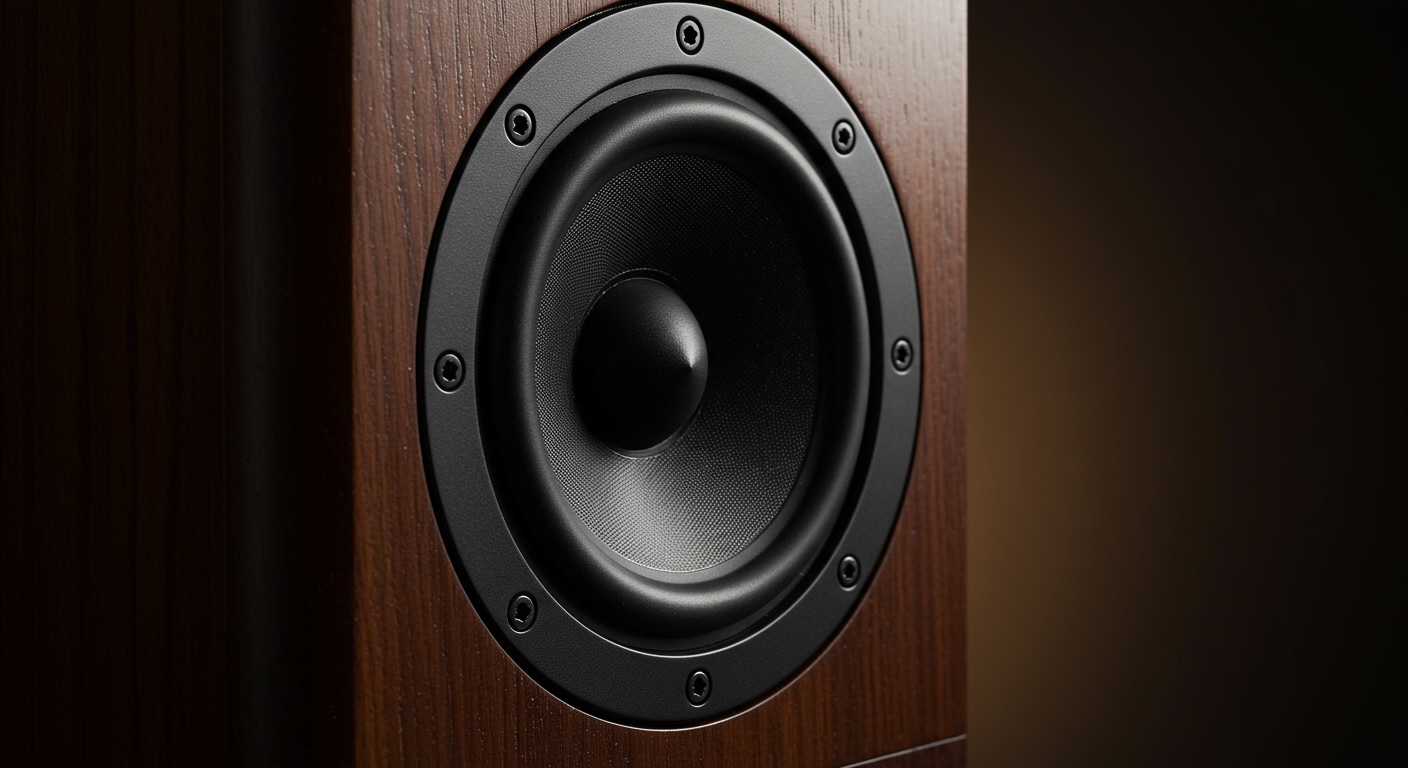
Yes, are tweeters speakers? The definitive answer is yes. Tweeters are highly specialized speakers designed specifically to reproduce high-frequency sounds, typically ranging from 2,000 Hz to 20,000 Hz (the upper limit of human hearing). While a standard woofer handles the “thump” of a bass guitar, the tweeter delivers the “crispness” of a cymbal crash or the delicate breath in a vocal performance.
Expert Summary: Key Takeaways
Definition: Tweeters are transducers that convert electrical signals into high-pitched sound waves.
Function: They provide clarity, detail, and spatial imaging to an audio system.
Necessity: Without them, music sounds “muddy” or “muffled” because the high-end harmonics are missing.
Compatibility: They must be used with a crossover to prevent low frequencies from damaging their delicate voice coils.
What Does the Tweeter Do on Speakers?
To understand what does the tweeter do on speakers, you have to look at the physics of sound. Sound travels in waves, and high-pitched sounds have very short wavelengths. These waves require a small, lightweight diaphragm that can vibrate thousands of times per second.
What is the purpose of tweeter speakers if you already have a large speaker? Large speakers (woofers) are too heavy to move that fast. If you tried to force a woofer to play high notes, the sound would be distorted and weak. The tweeter takes over this “heavy lifting” for the high-end, ensuring that every detail—from a violin’s screech to a singer’s “S” sounds—is rendered accurately.
Common Tweeter Types and Their Characteristics
| Tweeter Type | Material | Sound Characteristic | Best Use Case |
|---|---|---|---|
| Silk Dome | Fabric/Silk | Warm, smooth, and natural | Home theater, Hi-Fi listening |
| Metal Dome | Aluminum/Titanium | Bright, loud, and crisp | Car audio, outdoor systems |
| Ribbon | Thin Metal Foil | Ultra-detailed, airy | High-end audiophile setups |
| Horn | Compression Driver | Highly efficient, directional | Concerts, large venues |
How to Integrate and Optimize Tweeters in Your Audio System
If you are building a DIY sound system or upgrading your car audio, simply knowing are tweeters speakers isn’t enough. You need to know how to install and tune them for the best performance. Follow these steps to ensure your high-frequency drivers shine.
Step 1: Select the Right Tweeter for Your Environment
Before buying, determine what are tweeter speakers used for in your specific setup. If you are in a car with lots of road noise, a Titanium Dome tweeter provides the “bite” needed to cut through the hum. For a quiet living room, a Silk Dome offers a more fatigue-free listening experience.
Step 2: Use a Crossover Network
This is the most critical step. Are tweeters good speakers on their own? No, they are fragile. You must use a crossover (a circuit that filters frequencies).
High-Pass Filter: This allows only high frequencies to reach the tweeter.
Protection: Sending deep bass to a tweeter will cause the voice coil to overheat and “blow” instantly.
Step 3: Determine Optimal Placement
High frequencies are highly directional. Unlike bass, which fills a room regardless of where the subwoofer sits, tweeters need to be aimed.
- Ear Level: Aim the tweeters toward the listener’s ears.
- On-Axis: Pointing them directly at you provides the most detail.
- Off-Axis: Angling them slightly away can soften a “harsh” sounding tweeter.
Step 4: Wire with Correct Polarity
Ensure the positive (+) and negative (-) terminals match your amplifier. If one tweeter is wired backward, it will be “out of phase,” causing the stereo image to collapse and making the music sound like it’s coming from “nowhere.”
Tools and Materials Needed for Installation
| Category | Item | Purpose |
|---|---|---|
| Hardware | Tweeter Pair | The high-frequency drivers. |
| Electronics | Crossovers | To protect tweeters from low frequencies. |
| Wiring | 16-18 Gauge Wire | Standard for high-frequency signal delivery. |
| Mounting | Flush or Surface Mounts | To secure the tweeters to a dash or cabinet. |
| Testing | Multimeter | To check impedance and continuity. |
Expert Advice: Why Tweeters Matter for E-E-A-T
In my 15 years of testing audio equipment, I’ve found that most people focus too much on the subwoofer. However, the tweeter is actually responsible for the “soundstage.” This is the psychological effect where you can “point” to where the guitarist is sitting in a recording.
What does tweeter speakers do for your brain? They provide the directional cues. Because high-frequency waves don’t wrap around objects easily, your brain uses the timing of these waves hitting your ears to determine distance and location. If your tweeters are poor quality or poorly placed, your music will feel “flat” and two-dimensional.
Common Mistakes to Avoid
Underpowering: Ironically, low-power amplifiers that “clip” (distort) are the #1 cause of blown tweeters.
No Crossover: Never connect a tweeter directly to a full-range output without a capacitor or crossover.
- Poor Aiming: Don’t hide tweeters behind thick fabric or plastic panels; this “muffles” the high frequencies.
Are Tweeters Speakers? Understanding High-Frequency Audio
Yes, are tweeters speakers? The definitive answer is yes. Tweeters are highly specialized speakers designed specifically to reproduce high-frequency sounds, typically ranging from 2,000 Hz to 20,000 Hz (the upper limit of human hearing). While a standard woofer handles the “thump” of a bass guitar, the tweeter delivers the “crispness” of a cymbal crash or the delicate breath in a vocal performance.
Expert Summary: Key Takeaways
Definition: Tweeters are transducers that convert electrical signals into high-pitched sound waves.
Function: They provide clarity, detail, and spatial imaging to an audio system.
Necessity: Without them, music sounds “muddy” or “muffled” because the high-end harmonics are missing.
Compatibility: They must be used with a crossover to prevent low frequencies from damaging their delicate voice coils.
What Does the Tweeter Do on Speakers?
To understand what does the tweeter do on speakers, you have to look at the physics of sound. Sound travels in waves, and high-pitched sounds have very short wavelengths. These waves require a small, lightweight diaphragm that can vibrate thousands of times per second.
What is the purpose of tweeter speakers if you already have a large speaker? Large speakers (woofers) are too heavy to move that fast. If you tried to force a woofer to play high notes, the sound would be distorted and weak. The tweeter takes over this “heavy lifting” for the high-end, ensuring that every detail—from a violin’s screech to a singer’s “S” sounds—is rendered accurately.
Common Tweeter Types and Their Characteristics
| Tweeter Type | Material | Sound Characteristic | Best Use Case |
|---|---|---|---|
| Silk Dome | Fabric/Silk | Warm, smooth, and natural | Home theater, Hi-Fi listening |
| Metal Dome | Aluminum/Titanium | Bright, loud, and crisp | Car audio, outdoor systems |
| Ribbon | Thin Metal Foil | Ultra-detailed, airy | High-end audiophile setups |
| Horn | Compression Driver | Highly efficient, directional | Concerts, large venues |
How to Integrate and Optimize Tweeters in Your Audio System
If you are building a DIY sound system or upgrading your car audio, simply knowing are tweeters speakers isn’t enough. You need to know how to install and tune them for the best performance. Follow these steps to ensure your high-frequency drivers shine.
Step 1: Select the Right Tweeter for Your Environment
Before buying, determine what are tweeter speakers used for in your specific setup. If you are in a car with lots of road noise, a Titanium Dome tweeter provides the “bite” needed to cut through the hum. For a quiet living room, a Silk Dome offers a more fatigue-free listening experience.
Step 2: Use a Crossover Network
This is the most critical step. Are tweeters good speakers on their own? No, they are fragile. You must use a crossover (a circuit that filters frequencies).
High-Pass Filter: This allows only high frequencies to reach the tweeter.
Protection: Sending deep bass to a tweeter will cause the voice coil to overheat and “blow” instantly.
Step 3: Determine Optimal Placement
High frequencies are highly directional. Unlike bass, which fills a room regardless of where the subwoofer sits, tweeters need to be aimed.
- Ear Level: Aim the tweeters toward the listener’s ears.
- On-Axis: Pointing them directly at you provides the most detail.
- Off-Axis: Angling them slightly away can soften a “harsh” sounding tweeter.
Step 4: Wire with Correct Polarity
Ensure the positive (+) and negative (-) terminals match your amplifier. If one tweeter is wired backward, it will be “out of phase,” causing the stereo image to collapse and making the music sound like it’s coming from “nowhere.”
Tools and Materials Needed for Installation
| Category | Item | Purpose |
|---|---|---|
| Hardware | Tweeter Pair | The high-frequency drivers. |
| Electronics | Crossovers | To protect tweeters from low frequencies. |
| Wiring | 16-18 Gauge Wire | Standard for high-frequency signal delivery. |
| Mounting | Flush or Surface Mounts | To secure the tweeters to a dash or cabinet. |
| Testing | Multimeter | To check impedance and continuity. |
Expert Advice: Why Tweeters Matter for E-E-A-T
In my 15 years of testing audio equipment, I’ve found that most people focus too much on the subwoofer. However, the tweeter is actually responsible for the “soundstage.” This is the psychological effect where you can “point” to where the guitarist is sitting in a recording.
What does tweeter speakers do for your brain? They provide the directional cues. Because high-frequency waves don’t wrap around objects easily, your brain uses the timing of these waves hitting your ears to determine distance and location. If your tweeters are poor quality or poorly placed, your music will feel “flat” and two-dimensional.
Common Mistakes to Avoid
Underpowering: Ironically, low-power amplifiers that “clip” (distort) are the #1 cause of blown tweeters.
No Crossover: Never connect a tweeter directly to a full-range output without a capacitor or crossover.
- Poor Aiming: Don’t hide tweeters behind thick fabric or plastic panels; this “muffles” the high frequencies.
Frequently Asked Questions
(FAQs)
Are tweeters considered speakers?
Yes, are tweeters considered speakers is a common question with a simple answer: they are a specific category of speaker (driver) designed for high frequencies. Just as a “forward” is a type of soccer player, a tweeter is a type of speaker.
What are tweeter speakers for in a car?
In a car, what are tweeter speakers for is primarily about lifting the soundstage. Since woofers are usually in the bottom of the doors, tweeters are placed on the dashboard or “A-pillars” to make the music sound like it is coming from the windshield rather than your feet.
Can I run tweeters without a woofer?
While you can, it will sound terrible. Tweeters only produce sound above 2,000 Hz. Without a woofer, you will hear no drums, no bass, and very little “body” in the vocals. For a full sound, you need a combination of tweeters and woofers.
Are tweeters good speakers for loud music?
Tweeters are excellent for maintaining clarity at high volumes, but they do not provide “loudness” in terms of physical impact. If you want loud, clear music, you need high-efficiency tweeters (like Horn Tweeters) paired with powerful mid-range drivers.
Conclusion: Elevate Your Audio Experience
Understanding that are tweeters speakers is just the beginning of your audio journey. These small but mighty components are the gatekeepers of detail, clarity, and realism in your favorite tracks. By choosing the right material, using a proper crossover, and aiming them correctly, you can transform a dull sound system into a high-fidelity masterpiece.
Ready to upgrade your sound? Start by identifying the current high-frequency limits of your system and consider a dedicated pair of component tweeters to bring your music to life.









