

Understanding the French-Speaking Population in Canada
Canada is a bilingual nation where the French language is not just a communication tool, but a cornerstone of national identity. If you are wondering how many french speakers are there in canada, the most recent data from Statistics Canada indicates that approximately 10.7 million people can conduct a conversation in French. This represents nearly 29% of the total population, making Canada one of the most significant Francophone countries globally.
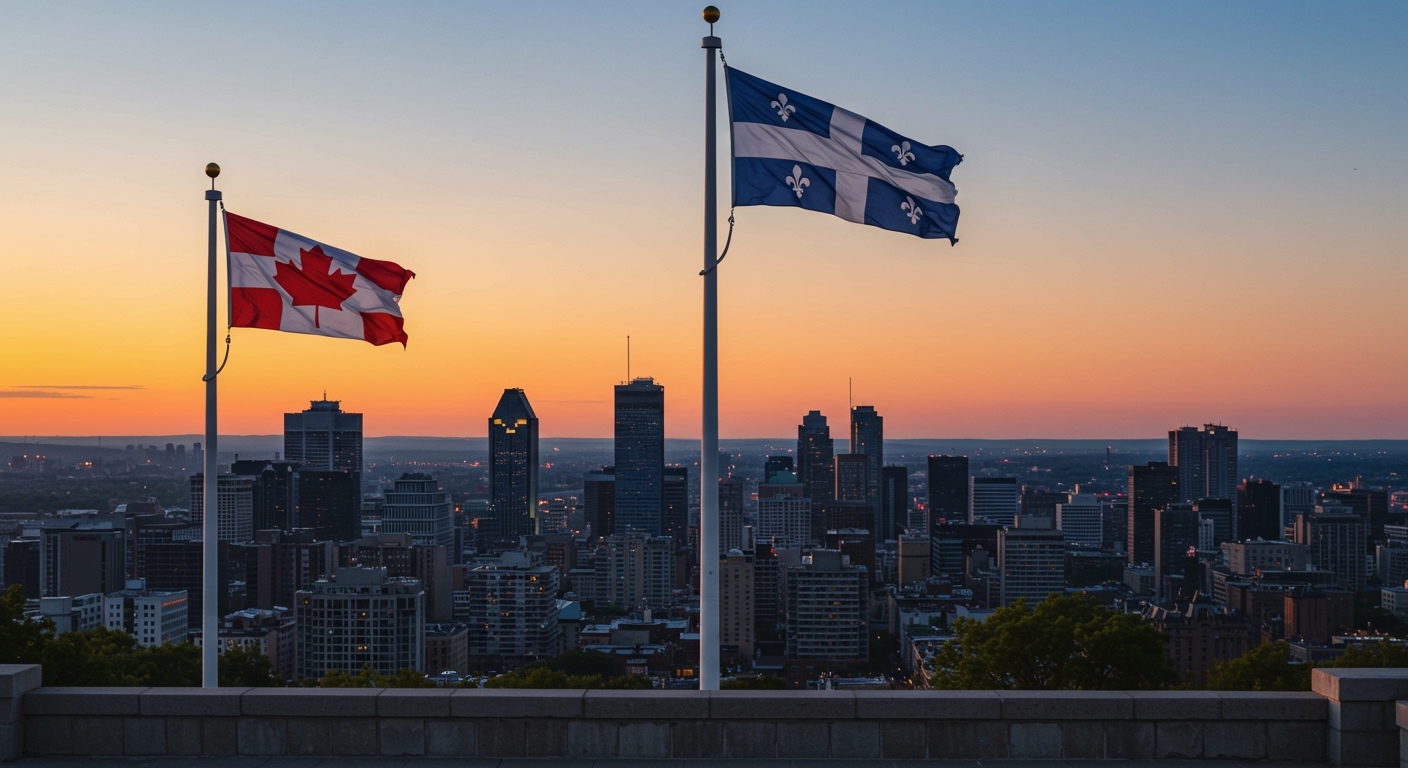
Whether you are a business owner targeting new markets, a student of linguistics, or a traveler planning a trip to Quebec, understanding the nuances of these demographics is essential. This guide breaks down the data, locations, and practical steps to navigate the vibrant French-speaking landscape of the Great White North.
Key Takeaways (TL;DR)
Total Count: Roughly 10.7 million Canadians speak French (conversational level).
Native Speakers: There are approximately 7.8 million native french speakers in canada.
Main Hub: Over 84% of Quebec’s population speaks French, the highest in the country.
Growth Trends: While the raw number of French speakers is increasing, the overall percentage of french speakers in canada has seen a slight relative decline due to rapid overall population growth.
Bilingualism: New Brunswick is the only officially bilingual province in the country.
How to Navigate and Understand French-Speaking Canada
Navigating a bilingual country requires more than just a dictionary. To truly understand how many french speakers canada hosts and where they are, follow these strategic steps to analyze the demographic and cultural landscape.
Step 1: Identify the Core Francophone Hubs
To understand the distribution, you must first look at where the density is highest. While French speakers live in every province, their concentration varies wildly.
Analyze Quebec: This is the heart of the Francophonie. It is the only province where French is the sole official language at the provincial level.
Explore the Maritimes: Focus on New Brunswick, where the Acadian culture thrives. Approximately one-third of the population here speaks French as their first language.
Look at Ontario: Specifically Eastern and Northeastern Ontario (towns like Ottawa and Sudbury), which house the largest French-speaking minority outside of Quebec.
Step 2: Differentiate Between Mother Tongue and Conversational Ability
When asking what is the percentage of french speakers in canada, you must distinguish between two different metrics used by Statistics Canada.
- Mother Tongue: This refers to the first language learned at home in childhood. About 21.4% of Canadians report French as their mother tongue.
- Language of Conversation: This includes people who learned French as a second language. This number is higher, reaching nearly 29%.
- Language Spoken at Home: Many households are multilingual, using both English and French daily.
Step 3: Utilize Official Demographic Tools
To get the most accurate, real-time data, you should use official government resources rather than third-party blogs.
Visit Statistics Canada (StatCan): Use the Census of Population dashboard to filter results by province, age, and “Knowledge of Official Languages.”
Check the Commissioner of Official Languages: This office provides reports on the vitality of French-speaking minority communities (FLMCs) across the country.
Step 4: Adapt to Regional Dialects and Variations
If your goal is to communicate with native french speakers in canada, you must recognize that “Canadian French” is not a monolith.
Quebecois: The most prominent dialect, known for its unique idioms and “joual” (working-class) roots.
Acadian French: Spoken in the Maritime provinces, it retains some linguistic features from 17th-century France.
Franco-Ontarian: Often incorporates more English loanwords due to the proximity of English-speaking majorities.
Understanding the French-Speaking Population in Canada
Canada is a bilingual nation where the French language is not just a communication tool, but a cornerstone of national identity. If you are wondering how many french speakers are there in canada, the most recent data from Statistics Canada indicates that approximately 10.7 million people can conduct a conversation in French. This represents nearly 29% of the total population, making Canada one of the most significant Francophone countries globally.
Whether you are a business owner targeting new markets, a student of linguistics, or a traveler planning a trip to Quebec, understanding the nuances of these demographics is essential. This guide breaks down the data, locations, and practical steps to navigate the vibrant French-speaking landscape of the Great White North.
Key Takeaways (TL;DR)
Total Count: Roughly 10.7 million Canadians speak French (conversational level).
Native Speakers: There are approximately 7.8 million native french speakers in canada.
Main Hub: Over 84% of Quebec’s population speaks French, the highest in the country.
Growth Trends: While the raw number of French speakers is increasing, the overall percentage of french speakers in canada has seen a slight relative decline due to rapid overall population growth.
Bilingualism: New Brunswick is the only officially bilingual province in the country.
How to Navigate and Understand French-Speaking Canada
Navigating a bilingual country requires more than just a dictionary. To truly understand how many french speakers canada hosts and where they are, follow these strategic steps to analyze the demographic and cultural landscape.
Step 1: Identify the Core Francophone Hubs
To understand the distribution, you must first look at where the density is highest. While French speakers live in every province, their concentration varies wildly.
Analyze Quebec: This is the heart of the Francophonie. It is the only province where French is the sole official language at the provincial level.
Explore the Maritimes: Focus on New Brunswick, where the Acadian culture thrives. Approximately one-third of the population here speaks French as their first language.
Look at Ontario: Specifically Eastern and Northeastern Ontario (towns like Ottawa and Sudbury), which house the largest French-speaking minority outside of Quebec.
Step 2: Differentiate Between Mother Tongue and Conversational Ability
When asking what is the percentage of french speakers in canada, you must distinguish between two different metrics used by Statistics Canada.
- Mother Tongue: This refers to the first language learned at home in childhood. About 21.4% of Canadians report French as their mother tongue.
- Language of Conversation: This includes people who learned French as a second language. This number is higher, reaching nearly 29%.
- Language Spoken at Home: Many households are multilingual, using both English and French daily.
Step 3: Utilize Official Demographic Tools
To get the most accurate, real-time data, you should use official government resources rather than third-party blogs.
Visit Statistics Canada (StatCan): Use the Census of Population dashboard to filter results by province, age, and “Knowledge of Official Languages.”
Check the Commissioner of Official Languages: This office provides reports on the vitality of French-speaking minority communities (FLMCs) across the country.
Step 4: Adapt to Regional Dialects and Variations
If your goal is to communicate with native french speakers in canada, you must recognize that “Canadian French” is not a monolith.
Quebecois: The most prominent dialect, known for its unique idioms and “joual” (working-class) roots.
Acadian French: Spoken in the Maritime provinces, it retains some linguistic features from 17th-century France.
Franco-Ontarian: Often incorporates more English loanwords due to the proximity of English-speaking majorities.
Where Do Most French Speakers Live in Canada?
Understanding where are most french speakers in canada is crucial for anyone looking to engage with this community. The distribution is heavily weighted toward the eastern half of the country.
The Province of Quebec
Quebec is home to the vast majority of Canada’s Francophones. In cities like Montreal, Quebec City, and Sherbrooke, French is the primary language of government, business, and daily life. Interestingly, Montreal is one of the largest French-speaking cities in the world, often ranking just behind Paris and Kinshasa.
The Acadian Heartland (New Brunswick)
When searching for where do most french speakers live in canada outside of Quebec, New Brunswick is the primary answer. The Acadians have a distinct history and flag, and their presence makes New Brunswick a unique cultural bridge between the English and French worlds.
The “Francophone Diaspora” in Other Provinces
Ontario: Over 600,000 Franco-Ontarians live here, mostly in the Ottawa valley.
Manitoba: The Saint-Boniface district in Winnipeg is a historic center for French-Canadian and Métis culture.
British Columbia & Alberta: While percentages are low (around 1-2%), the raw number of speakers is growing due to inter-provincial migration.
Data Summary: French Speakers by Province
The following table provides a snapshot of the linguistic landscape based on the most recent Census data.
| Province/Territory | % of French Speakers (Conversational) | Primary Identity |
|---|---|---|
| Quebec | 93.7% | Quebecois |
| New Brunswick | 41.9% | Acadian |
| Ontario | 10.8% | Franco-Ontarian |
| Yukon | 12.6% | Francophone Minority |
| Prince Edward Island | 12.1% | Acadian |
| Manitoba | 8.2% | Franco-Manitoban |
Note: Percentages include both native speakers and those who learned French as a second language.
Tools and Resources Needed for Engagement
If you are planning to work or live among french speakers canada, these tools will help you bridge the gap.
| Tool Category | Recommended Resource | Purpose |
|---|---|---|
| Data Analysis | Statistics Canada Census | Identifying precise population counts. |
| Language Learning | Mauril (by CBC/Radio-Canada) | Learning French through Canadian media content. |
| Translation | Antidote | The industry-standard software for Canadian French grammar. |
| Networking | Fédération des communautés francophones | Connecting with French-speaking minorities. |
Expert Advice for Engaging with the Francophone Community
As someone who has worked extensively in Montreal and Ottawa, I have found that the linguistic landscape is more than just numbers. It is about respect and cultural nuance.
Pro Tips for Success
Lead with French in Quebec: Even if your French is basic, starting a conversation with “Bonjour” shows respect for the local culture. Most people will happily switch to English if they see you struggling.
Understand the “Bill 96” Context: Be aware that Quebec has strict language laws (like Bill 96) that govern how businesses operate. If you are a business owner, compliance is mandatory, not optional.
Recognize the Métis Contribution: Many French speakers in Western Canada have Métis heritage. Their language, Michif, is a unique blend of French and Cree.
Common Mistakes to Avoid
Assuming everyone is bilingual: While many Francophones speak English, millions of Canadians (especially in rural Quebec) are unilingual French speakers.
Confusing “French” with “Quebecois”: Using European French slang in a rural Quebec town might result in some confused looks. Learn local terms like “tuque” (beanie) or “dépanneur” (convenience store).
Ignoring the Diaspora: Don’t assume French stops at the Quebec border. The Franco-Ontarian and Acadian communities are fiercely proud and have their own distinct media and institutions.
Frequently Asked Questions
(FAQs)
How many french speakers are there in canada as of 2024?
While the official 2021 Census reported 10.7 million people with a knowledge of French, current estimates suggest this number has grown slightly to nearly 11 million due to immigration and bilingual education programs.
What is the percentage of french speakers in canada currently?
The percentage of Canadians who can speak French is approximately 29%. However, those who speak it as their “mother tongue” make up about 21.4% of the population.
Where are most french speakers in canada located outside of Quebec?
The largest populations of French speakers outside Quebec are found in Ontario (specifically the Eastern and Northern regions) and New Brunswick. Winnipeg, Manitoba also hosts a significant historic Francophone community.
Is the number of native french speakers in canada increasing?
In terms of raw numbers, yes. The population of native french speakers in canada is growing. However, because the English-speaking and non-official language populations are growing faster due to immigration, the proportion of French speakers has seen a slight decline.
Conclusion
Understanding how many french speakers are there in canada is the first step toward appreciating the country’s complex social fabric. With over 10.7 million people capable of speaking the language, French remains a vibrant, essential part of the Canadian experience.
Whether you are looking at the dense urban centers of Quebec or the resilient minority communities in the Maritimes, the Francophonie offers immense cultural and economic value. By using official data from Statistics Canada and respecting regional dialects, you can effectively navigate this bilingual landscape.
Ready to dive deeper? Start by exploring the cultural festivals of the Francofolies or checking the latest linguistic policy updates from the Government of Canada.









