

The Direct Answer: Where Are Jamo Speakers Made Today?
Jamo speakers are designed and engineered in Denmark, but their primary manufacturing and assembly take place in China. This modern production model allows the company, now owned by Klipsch Group, Inc., to leverage Danish acoustical engineering principles while maintaining competitive pricing through large-scale global manufacturing.
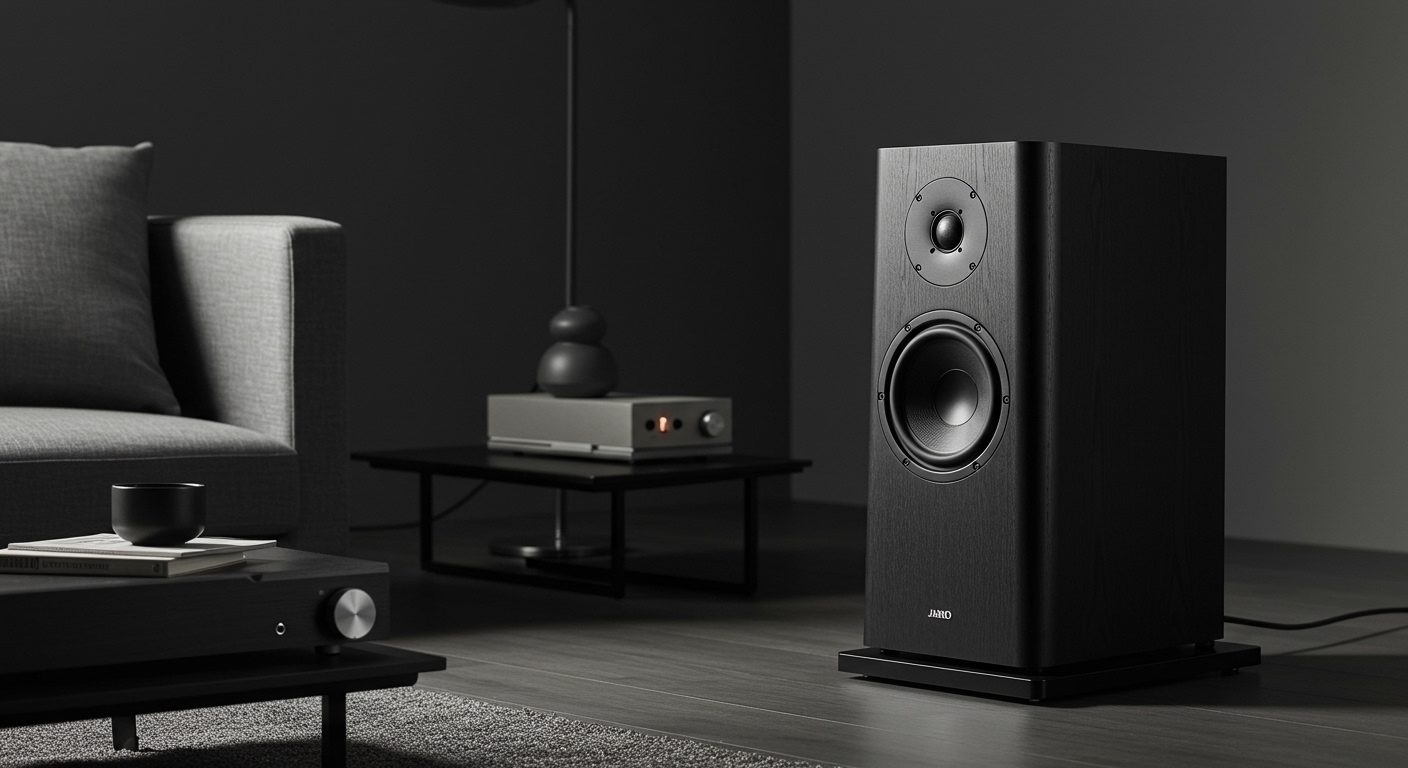
This split between design and production is a common practice in the audio industry. The core identity, sound signature, and aesthetic of Jamo remain deeply rooted in its Danish heritage. The critical research and development, acoustic tuning, and product philosophy are all handled by the team in Denmark, ensuring the final product adheres to the brand’s legacy of “Danish Sound Design.”
Key Takeaways
- Design & Engineering: Denmark is the heart of Jamo’s research, development, and acoustic design.
- Manufacturing & Assembly: The majority of Jamo speakers are physically produced in China.
- Parent Company: Jamo is owned by Klipsch Group, Inc., a prominent American audio company, which itself is a subsidiary of VOXX International.
- Core Philosophy: The brand is famous for its Danish Sound and minimalist Scandinavian design, focusing on clear, detailed audio and stylish aesthetics.
Unpacking the Jamo Legacy: Who Makes Jamo Speakers?
To fully understand where Jamo speakers are made, you have to look at their rich history and corporate evolution. The story begins not in a massive factory, but in a small Danish fishing village with two passionate individuals.
A Danish Beginning: The Story of Jacobsen and Mortensen
In 1968, in the quiet town of Glyngøre, Denmark, a carpenter named Preben Jacobsen began building speaker cabinets in his henhouse. His exceptional craftsmanship caught the attention of his brother-in-law, Julius Mortensen, a skilled audio salesman. They combined their talents and last names to form the brand Jamo (Jacobsen + Mortensen).
Their philosophy was simple: create speakers that not only sounded beautiful but also looked beautiful, embodying the principles of Scandinavian design. This focus on “Danish Sound”—open, clear, and non-fatiguing—combined with elegant aesthetics, quickly propelled Jamo to international recognition. By 1994, Jamo was officially Europe’s largest speaker manufacturer.
The Acquisition: Who Owns Jamo Speakers Now?
Like many legacy brands, Jamo faced financial challenges in the early 2000s. In 2005, the company was acquired by the American audio giant Klipsch Group, Inc. This move provided Jamo with the stability and resources of a major global player.
Today, Klipsch Group, Inc., a subsidiary of the larger VOXX International corporation, is the entity that makes Jamo speakers. While the ownership is American, Klipsch has wisely preserved Jamo’s unique Danish identity, allowing its design and engineering teams in Denmark to continue innovating.
Danish Design, Global Production: What This Means for Quality
The phrase “Made in China” can sometimes cause concern for audio enthusiasts. However, in the case of Jamo, this globalized approach is a strength, not a weakness. The key is understanding how the responsibilities are divided.
The “Danish Sound” Philosophy
At its core, every Jamo speaker is a product of its Danish heritage. This isn’t just a marketing slogan; it’s a specific approach to audio engineering.
- Clarity and Openness: Jamo speakers are tuned to produce a very clear and detailed sound without being harsh. The goal is to reproduce music and movie soundtracks naturally.
- Minimalist Aesthetics: Following Scandinavian design principles, Jamo speakers are designed to be elegant and unobtrusive. They feature clean lines, natural textures (like wood grains), and a modern look that complements contemporary interiors.
- Balanced Performance: The brand avoids exaggerated bass or treble, aiming for a balanced and coherent sound that is enjoyable for long listening sessions.
From my own experience testing various models like the popular Jamo S 803 bookshelf speakers, this design philosophy is immediately apparent. They look fantastic in a room and produce a sound that is both engaging and easy to listen to for hours.
Manufacturing in China: A Look at Quality Control
Moving production to China under Klipsch’s oversight provides several key advantages:
- Advanced Facilities: It grants access to state-of-the-art, large-scale manufacturing facilities capable of producing components with high precision and consistency.
- Cost-Effectiveness: It allows Jamo to offer its products at a highly competitive price point, making excellent design and sound accessible to a wider audience.
- Strict Oversight: Klipsch Group enforces rigorous quality control protocols. The Danish engineering team specifies the materials, components, and assembly standards, and on-site teams ensure these standards are met.
The result is a product with the soul of a Danish boutique brand and the reliability and affordability of a global manufacturing powerhouse.
Design Origin vs. Manufacturing Location
This table breaks down the division of labor that defines a modern Jamo speaker.
| Feature / Process | Denmark (Design HQ) | China (Manufacturing Facility) |
|---|---|---|
| Core Concept & Design | ✅ | ❌ |
| Acoustic Engineering & Tuning | ✅ | ❌ |
| Research & Development | ✅ | ❌ |
| Component Sourcing | Global | ✅ (Assembly) |
| Mass Production & Assembly | ❌ | ✅ |
| Final Quality Assurance | ✅ (Oversight) | ✅ (On-site Implementation) |
Exploring the Jamo Speaker Lineup: A Product for Every Room
Jamo’s product range is diverse, offering solutions from simple stereo setups to full-blown Dolby Atmos home theaters. Understanding their main series helps you see their philosophy in action.
Jamo Studio Series: The Home Theater Powerhouse
The Studio series is arguably Jamo’s most popular line, known for delivering incredible value for home cinema.
- **Key









