

Understanding Radio Costs: Advertising vs. Equipment
When asking “how much is radio,” the answer depends entirely on whether you mean buying advertising time on the airwaves or purchasing a physical radio device. Radio advertising can cost anywhere from $200 to over $5,000 per week, depending on market size and ad frequency. In contrast, a physical radio can cost as little as $20 for a simple AM/FM portable or upwards of $500 for a high-fidelity satellite or digital unit.
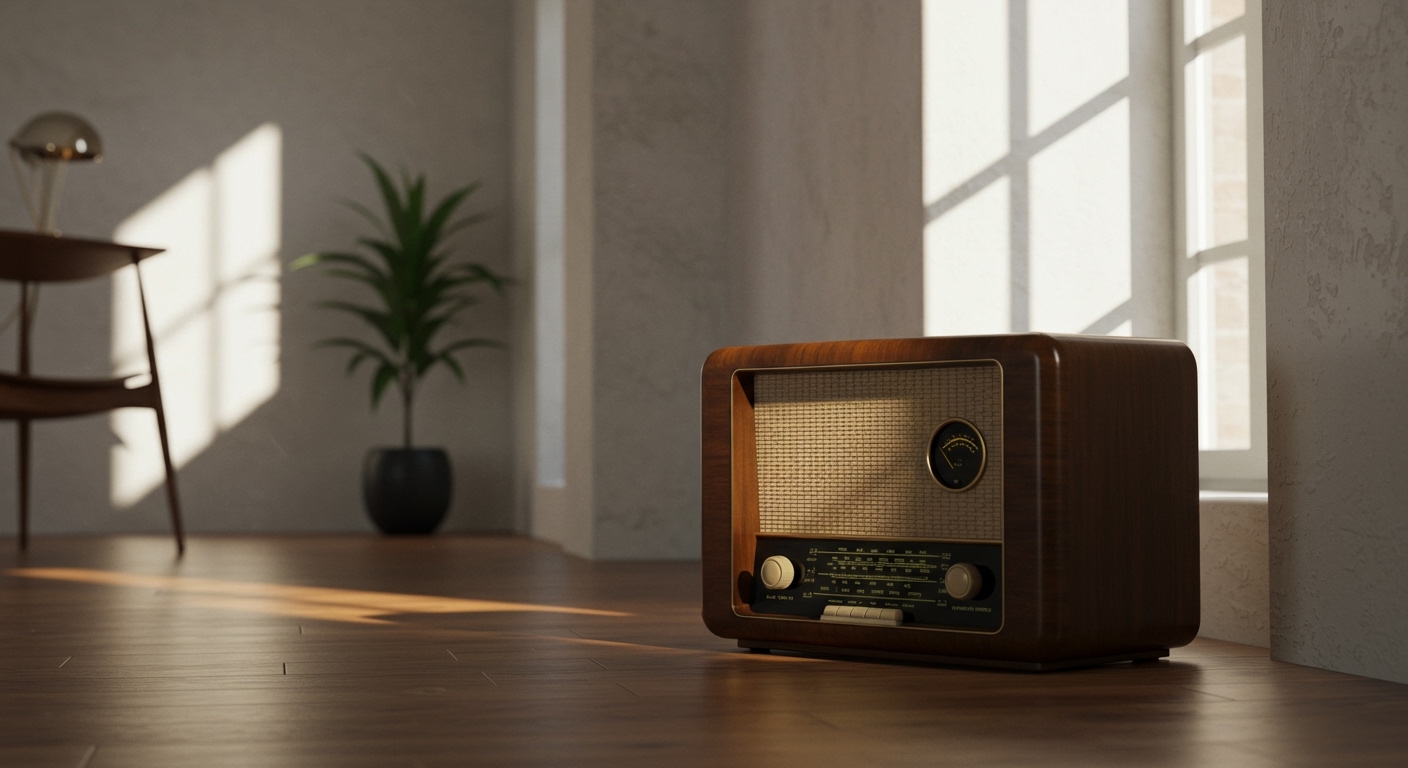
This guide demystifies both sides of the coin. We’ll break down the specific factors that influence radio ad pricing, explore the costs of different types of radio equipment, and provide a step-by-step plan for launching a successful radio campaign. Whether you’re a marketer exploring new channels or just curious about the technology, you’ll find clear, actionable answers here.
Key Takeaways
- Advertising Cost Range: A typical radio ad campaign costs between $200 and $5,000 per week. A single 30-second spot can be as low as $25 in a small market or over $1,000 in a major city’s primetime slot.
- Main Cost Factors: The price is driven by market size (e.g., New York vs. Omaha), station popularity (Nielsen ratings), time slot (morning drive is most expensive), and ad frequency.
- Equipment Cost Range: A physical radio costs from $20 to $500+. This includes portable AM/FM radios, tabletop models, car stereos, and satellite radio receivers.
- Don’t Forget Production: Creating the actual radio ad can add $300 to $2,500 to your budget, depending on the complexity, voice talent, and music rights.
How Much is Radio Advertising? A Detailed Breakdown
The cost of radio advertising is not one-size-fits-all. It’s a dynamic marketplace influenced by audience size, demand, and timing. In my experience managing media buys for various clients, I’ve seen firsthand how these variables can dramatically alter a campaign’s budget.
Key Factors That Determine Radio Ad Costs
Understanding these core components is crucial before you ever contact a station. They are the levers that control the final price you’ll pay.
- Market Size: This is the single biggest factor. Advertising on a top station in New York City or Los Angeles will cost exponentially more than on a local station in a small town. The cost is directly tied to the number of potential listeners.
- Station Popularity (Ratings): Stations use Nielsen ratings to measure their audience share. A station that is #1 in its demographic commands a premium price for its ad slots because it offers the largest reach.
- Time Slot (Daypart): Radio advertising is broken into “dayparts.” The most expensive and desirable slots are during peak listening times.
- Ad Length: The standard lengths for radio spots are :60 seconds and :30 seconds. A 60-second spot is not always double the price of a 30-second one; you can often get a better value per second with longer ads.
- Ad Frequency & Volume: The more spots you buy, the lower the cost-per-spot. Stations offer package deals and discounts for advertisers who commit to a higher volume of ads over a week or month. This is where negotiation plays a huge role.
- Run of Station (ROS): If you’re on a tight budget, you can opt for a ROS schedule. This means the station places your ad in various available time slots, often including less desirable ones like overnight. It’s cheaper but offers less control.
Average Radio Advertising Costs by Market Size
To give you a clearer picture, I’ve compiled a table based on industry data and our own campaign experiences. These are approximate weekly costs for a moderate ad schedule (e.g., 15-25 spots).
| Market Tier | Example Cities | Average Weekly Cost Range | Cost Per Spot (Approx.) |
|---|---|---|---|
| Large Market | New York, Los Angeles, Chicago | $2,000 – $8,000+ | $150 – $1,000+ |
| Medium Market | Seattle, Denver, St. Louis | $800 – $2,500 | $50 – $200 |
| Small Market | Omaha, NE; Boise, ID | $200 – $800 | $25 – $75 |
Expert Tip: Always ask for the station’s rate card, but treat it as a starting point. In my experience, there is almost always room for negotiation, especially if you are willing to commit to a longer campaign or buy during a less busy season.
Types of Radio Ad Buys and Their Costs
Beyond a standard pre-recorded ad, there are other formats to consider.
- Spot Ads: These are the most common type—pre-recorded commercials that are 30 or 60 seconds long. Their cost is based on the factors listed above.
- Sponsorships: You can sponsor a specific segment like the weather, traffic, or a news update. This often involves a “Brought to you by…” mention and can be a powerful way to build brand association. Sponsorships are typically sold in weekly or monthly packages and can range from $500 to $5,000+ per week.
- Live Reads: A station personality or DJ reads your ad live on the air. These can feel more authentic and engaging, creating a personal endorsement. Live reads are often more expensive than pre-recorded spots due to the talent’s influence.
The Hidden Costs: Radio Ad Production
Don’t forget to budget for creating the ad itself. A poorly produced ad on the best station will still fail.
- DIY/Basic: Using station-provided voice talent and library music might be included in your ad buy or cost $50 – $200.
- Professional Production: Hiring a professional voice actor, writing a custom script, and using licensed music can cost $300 – $2,500. While it’s an added expense, a high-quality ad dramatically improves your campaign’s effectiveness.
How Much is a Physical Radio? (Equipment Costs)
If your search for “how much is radio” is about the device itself, the costs are much more straightforward. The price depends on the technology, features, and audio quality.
Types of Radios and Their Price Ranges
- Portable AM/FM Radios: These are the simplest and cheapest options, perfect for personal use or emergencies.
- Tabletop Radios: Designed for home use, often with better speakers, digital displays, and features like Bluetooth connectivity.
- Car Radios/Stereos: Factory-installed units are part of the vehicle’s cost. Aftermarket units with features like Apple CarPlay, Android Auto, and satellite radio compatibility vary widely.
- Satellite Radios: Require a specific receiver and a monthly subscription to services like SiriusXM. The hardware is often bundled with a subscription trial.
- Two-Way Radios (Walkie-Talkies): Used for communication over short to medium distances.
Step-by-Step Guide to Buying Radio Advertising
Ready to launch a campaign? Follow these steps to ensure you invest your marketing dollars wisely.
- Define Your Audience & Goals: Who are you trying to reach? What do you want them to do (e.g., visit your website, call your store)? Your audience will determine which stations and formats you choose.
- Research Stations in Your Target Market: Use tools like Nielsen Audio or simply listen to the local radio to identify stations that match your target demographic (e.g., Top 40 for a younger audience, News/Talk for an older one).
- Request a Media Kit and Rate Card: Contact the advertising sales department of your shortlisted stations. The media kit will provide details about their listener demographics, and the rate card will list their prices.
- Negotiate Your Rates: This is a critical step. Based on your budget and campaign length, negotiate for a lower cost-per-spot, added value (like bonus ads), or a better schedule. We’ve often secured 15-30% off the initial rate card price through negotiation.
- Create a Compelling Ad: Your ad needs a strong hook, a clear offer, and an unforgettable call-to-action (CTA). Make your website URL or phone number simple and easy to remember.
- Track Your Results: The most effective way to track radio ROI is to use a unique promo code, a dedicated phone number, or a specific landing page (e.g.,
www.yourwebsite.com/radio). Ask new customers how they heard about you.
Is Radio Advertising Still Worth It in 2024?
Absolutely. While digital advertising dominates conversations, radio remains a powerhouse. According to Nielsen’s latest reports, traditional AM/FM radio still reaches approximately 92% of American adults every week—more than any other platform.
From my experience, radio works best when it’s part of an integrated marketing strategy. It excels at building brand awareness and driving local traffic. We once ran a campaign for a local retail client that combined a strong radio presence during morning drive time with targeted social media ads. The result was a 40% increase in foot traffic during the campaign period, proving that radio is far from dead; it’s a vital tool for reaching people in their daily routines.
FAQ: Answering Your Top Questions About Radio Costs
Q: How much is a 30-second radio ad?
A 30-second radio ad can cost anywhere from $25 in a small market to over $1,000 in a major city’s primetime slot. The average cost in a medium-sized market is typically between $50 and $200 per spot.
Q: Is radio advertising cheaper than TV?
Yes, generally speaking, radio advertising is significantly cheaper than TV advertising. Both the cost to buy airtime and the cost to produce the commercial are substantially lower for radio, making it a more accessible option for small and medium-sized businesses.
Q: How do I measure the ROI of a radio campaign?
The best way to measure radio ROI is through direct response tracking. Use a unique, easy-to-remember vanity URL (e.g., yoursite.com/deal), a specific promo code (“Mention this ad for 10% off”), or a trackable phone number. This allows you to directly attribute website visits, calls, and sales to your radio ads.
**Q:









