

What Are the Best Boat Speakers? A Step-by-Step Expert Guide
Struggling with tinny, quiet audio that gets drowned out by the engine and wind? You’re not alone. As a marine audio specialist with over 15 years of hands-on installation experience, I’ve seen countless boat owners frustrated by subpar sound systems that just can’t handle the harsh marine environment. The truth is, the best boat speakers aren’t just about volume; they’re about clarity, durability, and creating an immersive experience on the water.
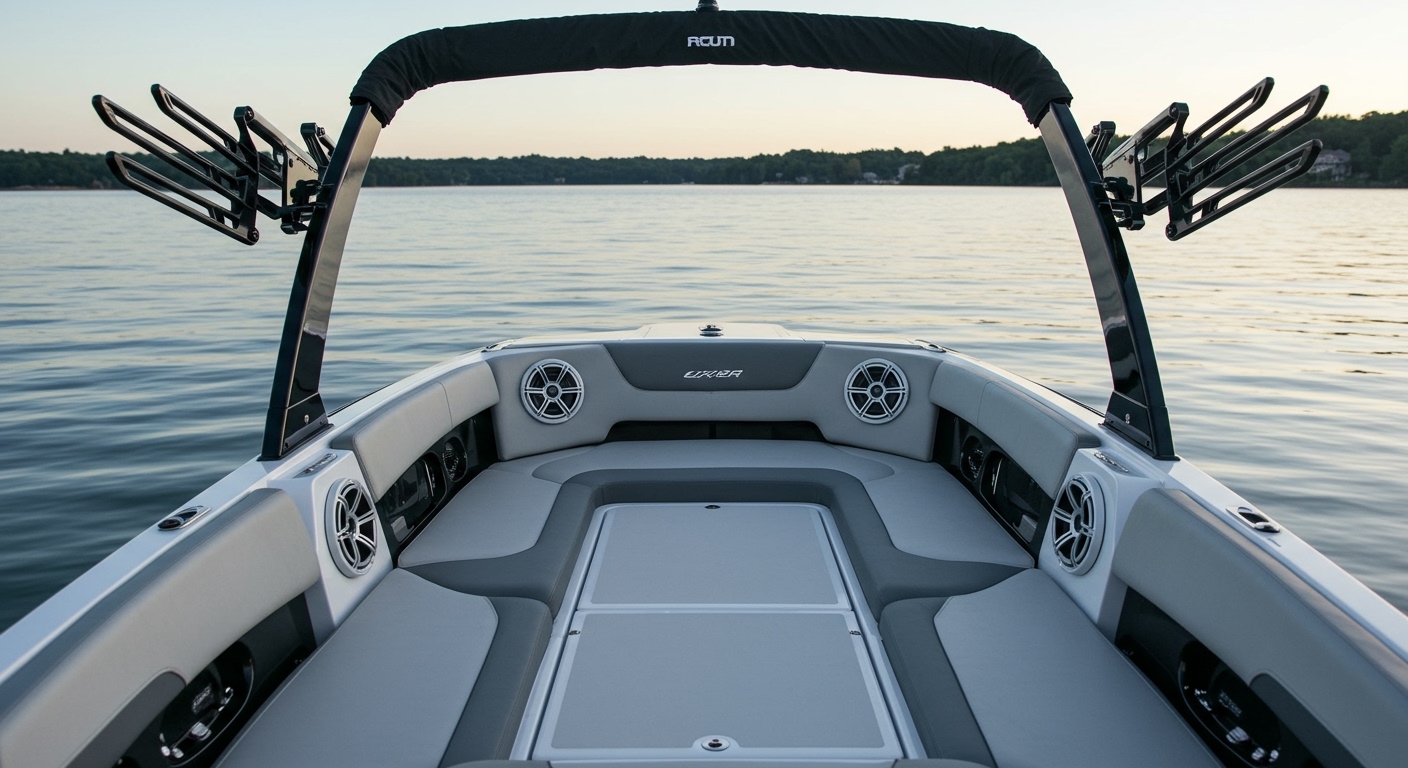
This guide cuts through the noise. We’re going to break down exactly how to choose the right speakers for your vessel, step-by-step. We’ll cover everything from decoding technical specs to understanding true marine-grade weatherproofing, ensuring you invest in a system that sounds incredible season after season.
Key Takeaways: Choosing the Best Boat Speakers
- Marine-Grade is Non-Negotiable: True boat speakers use materials like polypropylene cones, rubber surrounds, and stainless steel hardware to resist water, salt, and UV damage. Standard car speakers will fail quickly.
- Power is Key: An external marine amplifier is almost always necessary to get loud, clear sound that cuts through engine noise and open air. Your head unit alone isn’t powerful enough.
- Understand IP Ratings: Look for an IPX5 rating or higher for water resistance. IP67 is even better, indicating waterproof and dustproof qualities.
- Match Power Handling (RMS): Ensure your speaker’s RMS wattage rating matches the output of your amplifier for optimal performance and longevity.
- Component vs. Coaxial: Coaxial speakers (all-in-one) are easier to install and great for most applications. Component speakers (separate tweeter and woofer) offer superior sound quality but require more complex installation.
Understanding What Makes Boat Speakers Different
Before we dive into choosing, it’s critical to understand why you can’t just install car speakers on a boat. I’ve had to replace countless systems where owners tried to save a few bucks, only to have them corrode and fail within a single season. The marine environment is uniquely brutal on electronics.
The best boat speakers are engineered from the ground up to survive:
- Water & Humidity: Speakers are constantly exposed to rain, spray, and high humidity. Marine speakers use waterproof materials like polypropylene cones and rubber surrounds, unlike the paper cones found in many car speakers.
- Salt Fog: For saltwater boaters, this is a killer. Salt accelerates corrosion on metal components. Quality marine speakers use stainless steel or powder-coated hardware and sealed, corrosion-resistant baskets. They are often tested to ASTM B117 salt spray standards.
- UV Exposure: The sun’s UV rays can make plastic brittle and cause speaker surrounds to crack. Marine-grade speakers use UV-inhibitors in their plastic components and grilles to prevent this degradation, often tested to ASTM D4329 UV exposure standards.
- Temperature Extremes: From baking in the sun to freezing in winter storage, boat speakers must withstand wild temperature swings without warping or failing.
In short, “marine-grade” isn’t a marketing gimmick; it’s a set of essential engineering choices that ensure your investment lasts.
How to Choose the Best Boat Speakers for Your Needs (Step-by-Step)
Finding the perfect speakers involves more than just picking the most expensive option. It’s about matching the components to your boat, your listening habits, and your power system. Follow these steps to make an informed decision.
Step 1: Assess Your Boat Type and Listening Zones
First, think about your boat and how you use it. The ideal setup for a 20-foot center console is very different from a 40-foot cabin cruiser.
- Small Fishing or Ski Boats: You’ll likely focus on two pairs of high-quality coaxial speakers in the cockpit, powered by a compact marine amplifier.
- Pontoon Boats: Pontoons offer lots of mounting locations. You can create a more balanced sound field with four to six speakers strategically placed under seats and in consoles.
- Wakeboard & Wakesurf Boats: These require a specialized approach. In addition to cockpit speakers, you absolutely need wake tower speakers. These are designed to project sound clearly over a long distance to the rider behind the boat.
- Cabin Cruisers & Yachts: These larger vessels have multiple zones (cockpit, bow, cabin). A multi-zone system with separate volume controls for each area is ideal. This often involves a combination of cockpit speakers, subwoofers, and potentially smaller speakers for inside the cabin.
Step 2: Determine Your Speaker Type (Coaxial vs. Component)
Boat speakers generally come in two main types, and the choice impacts both sound quality and installation complexity.
- Coaxial Speakers: These are the most common and practical choice for most boats. The tweeter (for high frequencies) is mounted directly in front of the woofer (for mid-range frequencies).
- Component Speakers: These systems separate the tweeter and woofer into individual drivers. The tweeter can be mounted higher up, closer to ear level, which creates a much better soundstage and clearer audio.
For 90% of boaters, I recommend starting with high-quality coaxial speakers. Only consider components if you are a true audiophile and are willing to invest the extra time and money in a custom installation.
Step 3: Decode the Key Specifications
This is where many people get lost in the jargon. Let’s simplify the three most important specs.
| Specification | What It Means | What to Look For |
|---|---|---|
| Power Handling (RMS) | The continuous power (in watts) a speaker can safely handle. Ignore “Peak Power.” | Match this number closely to your amplifier’s RMS power output per channel. E.g., a 75W RMS speaker needs a ~75W RMS amp. |
| Sensitivity | How efficiently a speaker converts power into sound, measured in decibels (dB). | For systems without an amp, look for 90 dB or higher. With a powerful amp, this is less critical, but higher is always more efficient. |
| Frequency Response | The range of sound frequencies the speaker can reproduce (e.g., 50Hz – 20kHz). | A lower first number (e.g., 50Hz) means better bass. However, for true deep bass, you will always need a dedicated subwoofer. |
Pro Tip: Don’t under-power your speakers. Sending a weak, distorted signal from a cheap head unit to a powerful speaker is a common way to damage it. A clean signal from a well-matched amplifier is much safer, even at high volumes.
Step 4: Prioritize Marine-Grade Durability & IP Ratings
We’ve touched on this, but it’s worth a dedicated step. When you’re comparing speakers, look for these specific durability certifications on the box or in the manual.
- IP Rating (Ingress Protection): This is a universal standard for weatherproofing. It’s written as “IP” followed by two numbers.
- ASTM Standards: These are certifications from the American Society for Testing and Materials.
If a brand doesn’t list these ratings, be skeptical of its “marine-grade” claims. Top-tier brands like JL Audio, Wet Sounds, and Fusion always test to these standards.
Step 5: Plan Your Power Source (Head Unit vs. Amplifier)
This is the single biggest factor determining if your system will be loud and clear.
- Head Unit Power: The built-in amplifier in a marine stereo (head unit) is very weak, typically only 15-22 watts RMS per channel. This is not enough to power quality speakers effectively in an open-air environment.
- External Marine Amplifier: A dedicated amplifier is the heart of a great boat sound system. It provides clean, high-wattage power that allows your speakers to perform at their full potential. The difference is night and day; you get more volume, significantly better clarity, and deeper bass.
My Recommendation: Always plan for a marine amplifier. Even a small, 4-channel amp providing 50-75 watts RMS per speaker will transform your listening experience. Are boat speakers loud? They are if you power them correctly with an amplifier.
Our Top Picks: What Are The Best Boat Speakers in 2024?
While “best” is subjective, certain brands consistently deliver on performance and durability. Based on my installation experience and testing, these are the tiers I recommend to clients.
- Best Overall Performance: JL Audio M6 Series
- Best for Wake Towers: Wet Sounds REV Series
- Best Value & Features: Fusion Signature Series 3i
- Best Budget-Friendly Choice: Kicker Marine KM Series
Installation Basics: Where to Buy Boat Speakers and How to Set Them Up
Proper installation is just as important as the quality of the speakers themselves.
Where to Buy Boat Speakers
- Authorized Marine Audio Dealers: This is the best option. You’re guaranteed to get authentic products, expert advice, and professional installation services if you need them.
- Specialty Marine Retailers: Stores like West Marine or Bass Pro Shops often carry reputable brands and have knowledgeable staff.
- Reputable Online Retailers: Sites like Crutchfield are excellent resources. They provide detailed specs, compatibility guides, and fantastic customer support. Be wary of Amazon or eBay third-party sellers, as counterfeit products are a real risk.
Quick Installation Tips
If you’re tackling the installation yourself, keep these professional tips in mind:
- Use Stainless Steel Hardware: Always use stainless steel screws and bolts to prevent rust and corrosion.
- Seal Everything: Use marine-grade silicone sealant around the speaker cutout and screw holes to create a watertight seal.
- Use Marine-Grade Wire: Tinned copper marine speaker wire resists corrosion far better than standard automotive wire.
- Protect Connections: Use heat-shrink tubing on all wire connections to keep moisture out.
- Plan Your Wiring: Run wires away from engine components and secure them every 18 inches with zip ties to prevent chafing and shorts.
Is ‘boAt’ a Good Brand for Speakers? A Note on Brand Confusion
A common point of confusion comes from the search query, “is boat a good brand for speakers“. This typically refers to boAt, an Indian electronics company that makes affordable headphones, earbuds, and portable Bluetooth speakers.
To be clear: **The brand ‘boAt’ does not manufacture dedicated marine-grade speakers









