

Why You Should Veneer Your Speakers
Veneering speakers is the process of applying a thin layer of real wood to the speaker cabinet’s exterior, transforming a basic MDF or particleboard box into a piece that looks like high-end, solid wood furniture. It’s the single best way to achieve a professional, custom finish on a DIY speaker build or to restore a pair of vintage speakers whose original finish is damaged or dated.
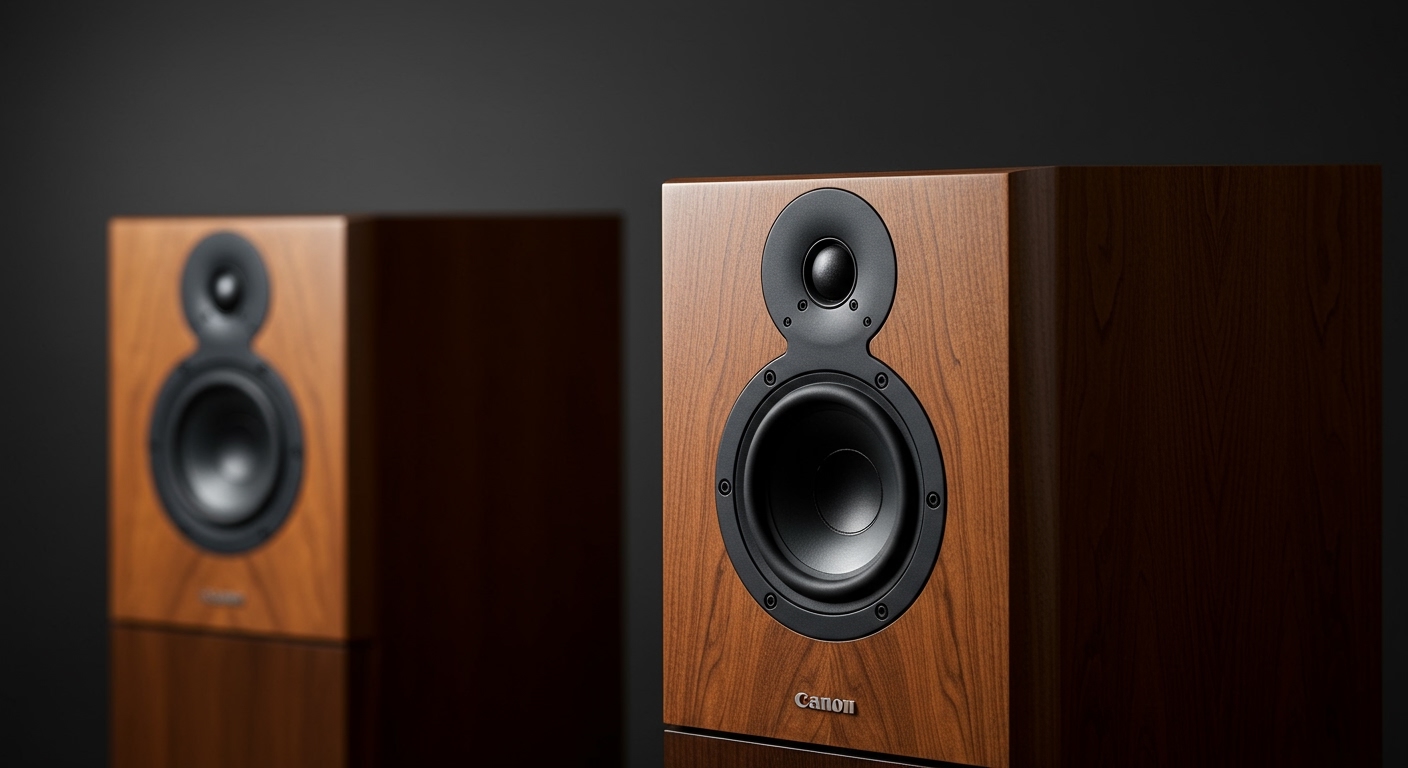
After building and finishing dozens of speakers over the years, I can tell you that a proper veneer job is what separates a good-looking project from a truly stunning one. It elevates the perceived value and aesthetic appeal far beyond what paint or vinyl can achieve. This guide covers the exact process I use to get flawless results every time.
Key Takeaways (TL;DR)
- Preparation is Key: The final result is 90% preparation. Your speaker cabinet must be perfectly smooth, clean, and free of any defects before you begin.
- Choose the Right Materials: For beginners, a paper-backed veneer and a high-quality contact cement offer the most forgiving application process.
- Measure Twice, Cut Once: Always cut your veneer sheets with at least a 1-inch overhang on all sides to allow for trimming.
- Pressure is Crucial: Whether using glue or contact cement, applying firm, even pressure with a J-roller or veneer scraper is essential for a strong, bubble-free bond.
- Finishing Protects: The final sanding and application of a protective finish like Danish oil or polyurethane not only brings out the wood’s beauty but also protects it for years to come.
Planning Your Speaker Veneering Project
Before you cut a single piece of wood, proper planning is essential. Rushing this stage is the most common mistake I see beginners make. Taking the time to choose the right materials and gather your tools will make the entire process smoother and more enjoyable.
### Choosing Your Wood Veneer
The type of veneer you choose will impact the difficulty of the project and the final look.
- Paper-Backed Veneer: This is my top recommendation for beginners. It’s a thin layer of real wood bonded to a paper backing. It’s very stable, less prone to cracking, and easier to handle than raw veneer.
- 2-Ply Veneer: This has a wood face layer and a wood backer layer, with the grain running at 90 degrees to each other. It’s extremely strong and stable but also thicker and less flexible than paper-backed.
- Raw Wood Veneer: This is just a thin, unbacked sheet of wood. It offers the most “pure” look but is very fragile and requires more advanced techniques, often involving vacuum presses or cold press glue with extensive clamping.
Popular wood species for speakers include Walnut, Oak, Cherry, and Maple. I suggest choosing a species that complements your room’s decor. You can source high-quality veneers from online retailers like Veneer Supplies or Rockler.
### Choosing the Right Adhesive: A Critical Decision
Your choice of adhesive is just as important as the veneer itself. The two main options have distinct advantages and disadvantages.
| Adhesive Type | Pros | Cons | Best For |
|---|---|---|---|
| Contact Cement | – No clamping required – Fast working time – Very forgiving for beginners | – Strong fumes (requires ventilation) – Instant, permanent bond (no repositioning) | Beginners, flat surfaces, paper-backed veneer. |
| Cold Press Veneer Glue | – Allows for repositioning – Low odor – Creates a harder, more rigid bond | – Requires extensive, even clamping – Longer drying time (several hours) | Advanced users, raw veneer, curved surfaces. |
For your first project on how to veneer MDF speakers, I strongly recommend using a high-quality, solvent-based contact cement. The instant bond without the need for complex clamping setups makes it far more accessible.
### Gathering Your Tools & Materials
Having everything on hand before you start is crucial. Here is the checklist I use for every project:
- Veneer: Enough to cover all surfaces with at least 1-inch of overhang on all sides.
- Adhesive: Weldwood Original Contact Cement or Titebond Cold Press Veneer Glue.
- Applicator: A small foam roller or disposable brush for the adhesive.
- Pressure Tool: A J-roller or a veneer scraper. A J-roller is more beginner-friendly.
- Trimming Tool: A flush-trim bit for a router is the best option. A sharp veneer saw or utility knife can also work.
- Sandpaper: A range of grits, including 120, 180, and 220.
- Sanding Block: A cork or rubber block to ensure even sanding.
- Wood Filler: To fill any dings or screw holes in the cabinet.
- Tack Cloth: For removing all dust before finishing.
- Finishing Product: Danish oil, wipe-on polyurethane, or lacquer.
- Safety Gear: Respirator mask (for contact cement), safety glasses, and gloves.
- Miscellaneous: Measuring tape, straight edge, pencil, clean rags.
How to Veneer Speakers: The Complete Step-by-Step Guide
With your materials gathered and a plan in place, it’s time to begin the transformation. We’ll walk through the exact process of how to apply wood veneer to speakers for a finish that rivals high-end manufacturers.
### Step 1: Prepare the Speaker Cabinets
This is the most critical step. Any imperfection on the cabinet surface will show through the veneer.
- Disassemble: Carefully remove all speaker drivers, terminal cups, port tubes, and any other hardware. Label the wires if necessary to make reassembly easier.
- Fill Imperfections: Inspect the cabinet for any dents, deep scratches, or screw holes. Fill them with a quality wood filler, slightly overfilling to account for shrinkage.
- Sand Smooth: Once the filler is dry, sand the entire cabinet. If you are working on a raw MDF speaker box, start with 120-grit sandpaper to level the surface and filler. For a previously finished speaker, you just need to scuff the surface to help the adhesive bond.
- Final Sanding: Go over the entire cabinet with 180-grit sandpaper. The goal is a surface that is perfectly smooth to the touch. Pay special attention to the edges and corners.
- Clean Thoroughly: Wipe down the entire cabinet with a clean cloth dampened with mineral spirits or denatured alcohol to remove every last bit of dust. Let it dry completely.
### Step 2: Measure and Cut the Veneer
Precision here saves headaches later. Always plan your cuts to ensure the wood grain flows appealingly around the cabinet.
- Plan the Grain: Decide on the grain direction. Typically, the grain runs vertically on the sides and horizontally on the top and bottom. For the front baffle, vertical is most common.
- Measure and Mark: Measure one surface of your speaker (e.g., the top). Add 2 inches to both the length and width. Mark these dimensions on the back (paper side) of your veneer sheet.
- Cut the Veneer: Place a metal straight edge along your marked line. Use a very sharp utility knife or a specialized veneer saw to make several light passes. Trying to cut through in one pass will cause tearing. Cut a piece for each surface you plan to cover.
My Pro Tip: I always veneer the top and bottom first, then the sides, and finally the front and back baffles. This sequence helps hide the veneer seam lines most effectively.
### Step 3: Apply the Veneer (Using Contact Cement)
This is the moment of truth. Work in a well-ventilated area, and don’t rush.
- Apply Cement to the Speaker: Pour some contact cement into a small tray. Use a foam roller or disposable brush to apply a thin, even coat to one surface of the speaker cabinet. Ensure you have 100% coverage, especially around the edges.
- Apply Cement to the Veneer: Apply an identical thin, even coat to the paper backing of the corresponding veneer piece.
- Wait for it to Tack Up: This is crucial. The cement must dry to the touch. It should feel tacky, but it should not transfer to your knuckle when you touch it. This usually takes 15-20 minutes, depending on humidity.
- Position the Veneer: This step is unforgiving, as the bond is instant. Lay several small wooden dowels or strips of scrap wood across the speaker surface. This allows you to lay the veneer on top of them without it touching the cabinet, giving you time to align it perfectly. Ensure you have about 1-inch of overhang on all sides.
- Bond the Veneer: Starting from the center, remove the middle dowel and press the veneer down. Working from the center out towards the edges, remove the remaining dowels one by one while smoothing the veneer down.
- Apply Firm Pressure: Once the veneer is in place, you must apply significant pressure to ensure a permanent bond. Use your J-roller or veneer scraper. Start in the middle and work outwards in all directions, pushing out any potential air bubbles. Go over the entire surface multiple times.
Repeat this process for all remaining sides of the speaker.
### Step 4: Trim the Excess Veneer
A clean trim is what creates those sharp, professional-looking edges.
- The Router Method (Best): The best way to trim the overhang is with a router equipped with a flush-trim bit. The bearing on the bit will ride along the edge of the cabinet, trimming the veneer perfectly flush. Move the router in a counter-clockwise direction around the speaker.
- The Manual Method (Alternative): If you don’t have a router, you can use a veneer saw or a very sharp chisel held at a low angle. Work slowly from the veneered surface downwards to avoid chipping the wood. This method requires more skill and patience.
After trimming, you’ll be left with incredibly sharp corners. Lightly break these edges with a sanding block and 220-grit paper to prevent them from chipping.
### Step 5: Sanding for a Silky Smooth Finish
Proper sanding prepares the wood to accept the finish and gives it a professional feel.
- Initial Sand: Use a sanding block with 180-grit sandpaper. Sand with the direction of the wood grain only. Never sand against the grain, as it will leave deep scratches. The goal is to remove any tiny imperfections and smooth the trimmed edges.
- Final Sand: Switch to 220-grit sandpaper on your block. Go over the entire cabinet again, always with the grain.









