

A Definitive Answer: Is JVC a Good Brand for Speakers?
Staring at a wall of speaker boxes, feeling completely overwhelmed? You’re not alone. With countless brands all promising the ultimate sound experience, it’s tough to know who to trust. You see a familiar name—JVC—and wonder, “Is JVC a good brand for speakers, or is it just a relic from the past?” You need a clear, honest answer without the marketing fluff.
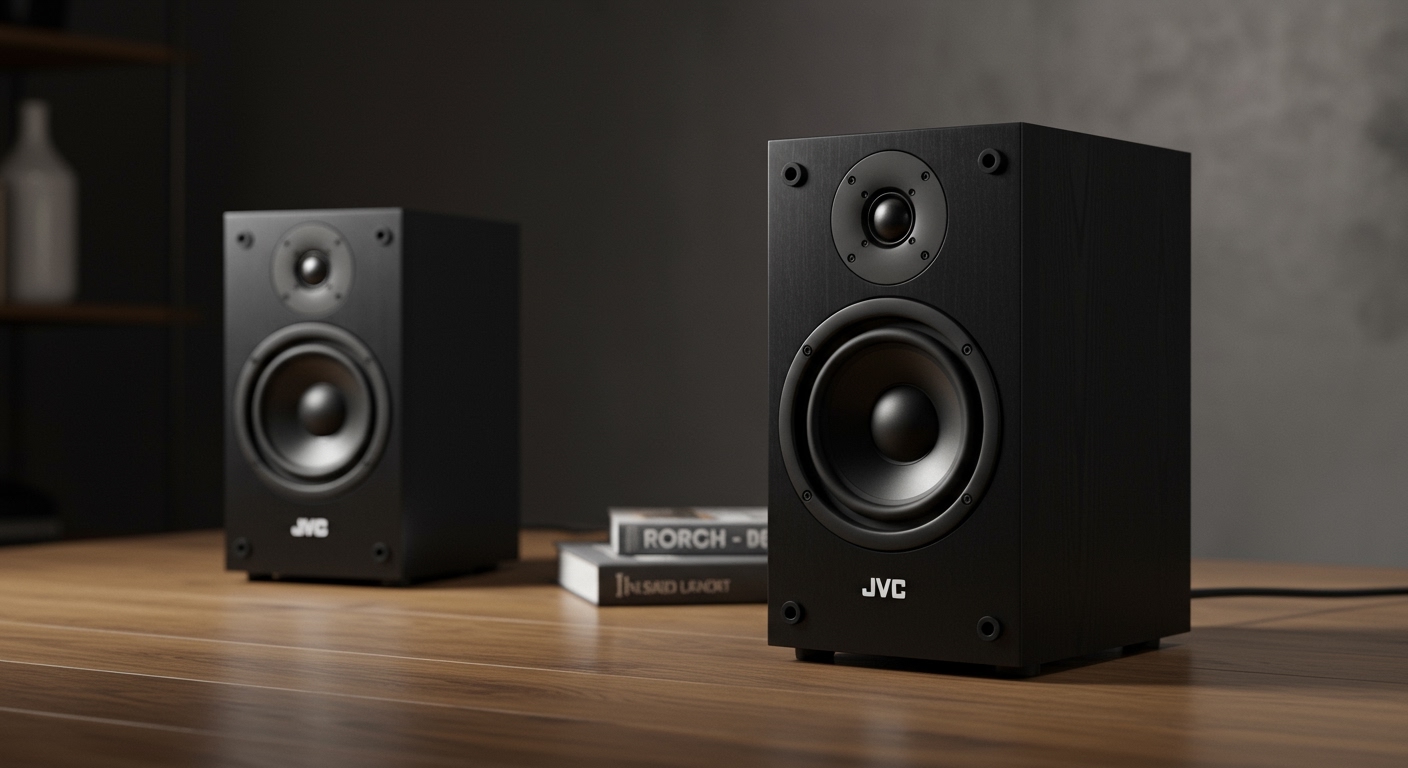
This guide delivers exactly that. Drawing on over a decade of hands-on experience installing and testing audio equipment, I’ll break down the real-world performance of JVC speakers. We’ll cover everything from their popular car audio upgrades to their home stereo offerings, giving you the data-driven insights you need to make a confident decision.
Key Takeaways: Is JVC a Good Speaker Brand?
- Verdict: Yes, JVC is a good brand for speakers, particularly for budget-conscious consumers seeking a reliable and significant upgrade over factory-installed or basic equipment.
- Best Use Case: JVC excels in the car audio market, offering excellent value for replacing stock speakers. Their products provide a noticeable improvement in clarity and bass.
- Home Audio: JVC home stereo speakers are suitable for casual listening, secondary systems (like in a garage or office), or entry-level home theaters.
- Strengths: The brand’s primary advantages are affordability, widespread availability, and consistent, durable build quality for the price point.
- Limitations: Audiophiles or those seeking high-powered, incredibly detailed sound may find JVC speakers lacking compared to premium brands like Focal, KEF, or Rockford Fosgate.
A Deep Dive: Is JVC a Good Brand for Speakers in Today’s Market?
Yes, JVC is a good brand for speakers if your priority is achieving a major sound quality improvement on a tight budget. The brand, an abbreviation for the Japan Victor Company, has a long history dating back to 1927. They have a legacy of innovation, but in today’s audio landscape, they’ve carved out a specific and important niche: the value-driven consumer.
In my experience installing countless audio systems, JVC is often my go-to recommendation for a client’s first upgrade. They consistently deliver on their promise of “better-than-stock” sound without the intimidating price tag of high-end gear. They are reliable, well-made for their price, and provide an immediately noticeable enhancement in audio quality that makes customers happy.
Think of JVC not as a competitor to audiophile brands, but as a powerful alternative to the basic, low-quality paper cone speakers that come standard in most vehicles and are included with budget home stereo systems.
Evaluating JVC Car Speakers: Are They Any Good?
The car audio space is where JVC truly shines. For the average driver who simply wants their music to sound clearer, fuller, and louder, JVC car speakers are an excellent choice. They are engineered to be efficient, meaning they work well even with the low power output of a factory car stereo.
The Core Value: A Perfect Factory Speaker Upgrade
Most factory-installed car speakers are made from cheap paper cones and foam surrounds that degrade over time and produce muddy, lifeless sound. This is where JVC offers the most impact.
- Improved Materials: JVC speakers typically use a polypropylene cone, which is rigid, lightweight, and resistant to moisture and temperature changes inside a car door. This immediately results in tighter bass and clearer midrange vocals.
- Better Tweeters: Instead of a “whizzer” cone, JVC component and coaxial speakers include dedicated tweeters (often poly-ether imide balanced domes) that produce much crisper and more detailed high frequencies. Cymbals, synths, and high-hats will sound distinct instead of muffled.
- Increased Efficiency: They are designed with high sensitivity ratings, which means they can produce significant volume from the small amount of power (typically 15-20 watts RMS) supplied by a standard car radio. You don’t necessarily need to buy an amplifier to hear a big difference.
Spotlight on Popular Models: Are JVC 6×9 Speakers Good?
The 6×9″ speaker is a common size for the rear deck of sedans, and it’s a category where JVC is very competitive. So, are JVC 6×9 speakers good? Yes, for their intended purpose, they are fantastic.
Models from the JVC CS-J “J-Series” or the slightly more robust CS-DR “DR-Series” are popular for a reason. When we’ve installed a pair of CS-DR693 3-way speakers, the feedback is consistently positive. Clients immediately notice the deeper bass response, thanks to the larger cone area, and the added clarity from the dedicated midrange driver and tweeter. They are a simple, drop-in replacement that can completely transform the sound stage in a vehicle for under $100.
Performance Analysis: The JVC Sound Signature
JVC speakers are not designed for clinical, flat-response audio monitoring. They are engineered to make mainstream music—like pop, rock, hip-hop, and electronic—sound dynamic and engaging in a noisy car environment.
- Bass: The bass is present and punchy, a significant step up from the hollow sound of factory speakers. It’s not ground-shaking subwoofer bass, but it’s enough to feel the kick drum.
- Midrange: Vocals and instruments are clear and forward. You’ll hear lyrics you might have missed before.
- Treble: The highs are bright and energetic without being overly harsh or fatiguing, a common problem in budget speakers. This “V-shaped” sound curve (boosted bass and treble) is popular and generally pleasing for everyday listening.
Are JVC Home Stereo Speakers Good for Your Setup?
While JVC’s reputation is strongest in car audio, their home speaker offerings shouldn’t be overlooked, especially for specific applications. JVC home stereo speakers follow the same philosophy as their automotive counterparts: delivering solid, reliable performance at an accessible price.
Use Cases: Where JVC Home Speakers Make Sense
I wouldn’t recommend JVC speakers for a dedicated, critical-listening audiophile room. However, they are a perfectly sensible choice for many other scenarios:
- Secondary Systems: They are ideal for a stereo system in a garage, workshop, or basement.
- Dorm Rooms or Apartments: Their often compact size and affordable price make them perfect for smaller living spaces and tight budgets.
- Entry-Level Home Theater: A set of JVC bookshelf and tower speakers can serve as a great starting point for a 5.1 surround sound system, offering a huge leap in









