

Is Mono or Stereo Better For Speakers? A Practical Guide
Struggling to decide on a new speaker? The terms mono and stereo are thrown around constantly, but what do they actually mean for your listening experience? Choosing the wrong one can leave your music sounding flat or your movie nights lacking that cinematic punch. This guide will demystify the debate and give you the confidence to pick the perfect audio setup for your specific needs.
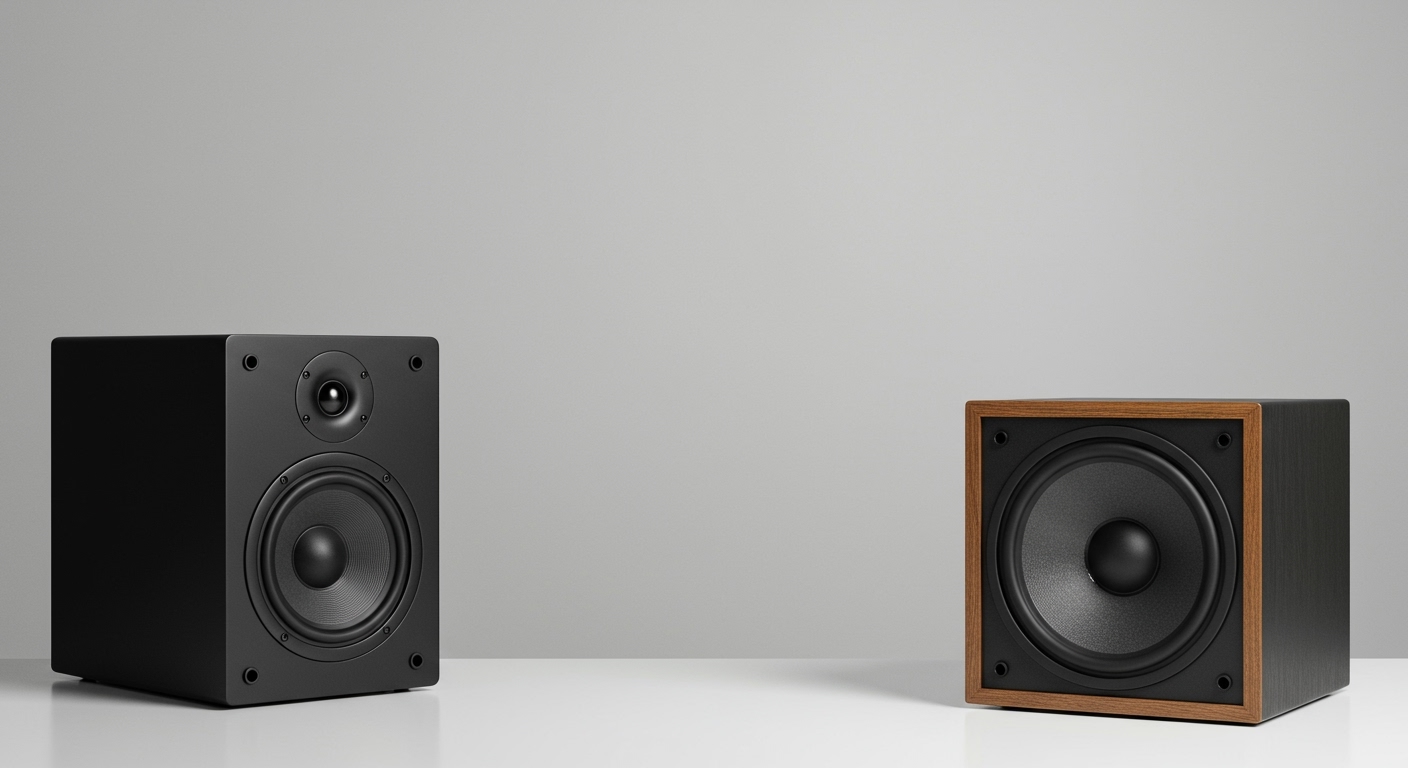
For most immersive listening experiences like music, movies, or gaming, stereo is definitively better than mono. Stereo uses two separate audio channels (left and right) to create a sense of depth, space, and directionality, mimicking how we hear in the real world. However, mono is the superior choice for public address (PA) systems, background music in commercial spaces, and single-speaker devices where consistent sound coverage for a wide area is more important than a focused “sweet spot.”
Key Takeaways: Mono vs. Stereo
- Stereo for Immersion: Choose a stereo speaker setup for your main music system, home theater, or gaming rig. The two-channel separation creates a wide, realistic soundstage.
- Mono for Coverage: Opt for mono sound for PA systems, smart speakers, ceiling speakers in a multi-room setup, or background music in a store. It ensures everyone hears the exact same audio mix, regardless of their position.
- The Core Difference: Stereo uses two channels (left and right) to place sounds in a virtual space. Mono (monaural) uses a single channel, where all sound elements are mixed together and come from one point.
- Use Case is King: The question of is mono or stereo better for speakers depends entirely on how and where you’ll be listening.
Understanding the Core Difference: Mono vs. Stereo Explained
To truly grasp whether mono or stereo is better for your speakers, you need to understand the fundamental technology behind each. It’s not about “good” vs. “bad” quality, but about how the sound is recorded and played back.
What is Monaural (Mono) Audio?
Monaural audio, or mono, uses a single channel to convert a signal into sound. Think of it as a one-lane road—all the audio information, from vocals to guitars to drums, travels down this single path and comes out of the speaker (or speakers) as a unified sound.
Imagine you’re listening to a band through a single point in space. You hear all the instruments clearly, but you can’t perceive their location on stage. This is the essence of mono. It’s direct, focused, and simple. Early audio recordings, from Thomas Edison’s phonograph to The Beatles’ first albums, were all recorded in mono.
What is Stereophonic (Stereo) Audio?
Stereophonic audio, or stereo, uses two independent audio channels—a left and a right. This two-lane highway allows audio engineers to place different sounds in different channels, a technique called panning. This separation creates an illusion of space and directionality.
When I set up my own listening room, this is the effect I’m trying to perfect. With a well-placed stereo system, I can close my eyes and pinpoint the location of the singer, the guitarist on the left, and the piano on the right. This three-dimensional effect is called the soundstage, and the ability to “see” each instrument’s location is called imaging. This is the magic of stereo sound and why it’s the standard for most consumer audio today.
Mono vs. Stereo Speakers: A Head-to-Head Comparison
To make the choice clearer, let’s break down the key attributes of each format in a simple table. This is the same mental checklist I run through when advising clients on which is better, mono or stereo speakers, for their setup.
| Feature | Mono (Monaural) | Stereo (Stereophonic) |
|---|---|---|
| Number of Channels | One channel | Two channels (Left and Right) |
| Soundstage & Imaging | No soundstage; all sound from one point | Creates a wide, 3D soundstage with precise imaging |
| Immersiveness | Low; sound is direct and centered | High; creates a realistic and engaging “you are there” feeling |
| Ideal Use Cases | PA systems, talk radio, smart speakers, commercial background music | Home audio, music listening, home theater, gaming, headphones |
| Phasing Issues | Less susceptible to room-based phase issues | Requires proper speaker placement to avoid phase cancellation |
| Cost & Complexity | Generally simpler and less expensive | Requires two speakers and careful setup for optimal performance |
| “Sweet Spot” | The entire listening area is the “sweet spot” | A specific, focused listening position for the best effect |
When is Mono Better? Practical Use Cases for Single-Channel Audio
While stereo dominates home listening, there are critical scenarios where I would always choose mono for its clarity and consistency. It’s not an outdated technology; it’s a specialized tool.
Public Address (PA) Systems
Have you ever been to a concert, conference, or outdoor event? The sound system is almost certainly running in mono.
In a large venue, listeners are scattered everywhere. If the system were in stereo, people on the left side would primarily hear the left channel, and people on the right would hear the right. This would create a disjointed and unbalanced experience. By summing the mix to mono, we ensure that every single person in the audience hears the exact same, complete mix. It’s the industry standard for intelligible and consistent live sound.
Smart Speakers and Portable Bluetooth Speakers
Most single-unit speakers, like the Amazon Echo Dot or a standard JBL Flip, are mono devices. Even if they have multiple drivers, they typically play a mono signal. This is a practical design choice.
A smart speaker might be placed on a kitchen counter, a bookshelf, or a nightstand. It’s designed for casual listening from anywhere in the room, not for critical listening in a “sweet spot.” For these devices, mono provides a full, consistent sound no matter where you’re standing. Some advanced models, like the Sonos One or Apple HomePod, allow you to pair two speakers to create a true stereo setup.
Background Music in Commercial Spaces
When we install audio systems in restaurants, retail stores, or offices, we almost always use a mono or summed-mono configuration. The goal is to provide pleasant, even sound coverage throughout the entire space. We don’t want the music to be louder or have different instruments featured in the corner booth versus the front entrance. Mono ensures a uniform auditory experience for all patrons and employees.
AM Radio and Podcasts
For voice-centric content like talk radio, news broadcasts, or most podcasts, the primary goal is vocal clarity. The spatial effects of stereo add very little value and can even be distracting. Mono is perfectly suited for this, delivering a clear, direct vocal signal that is easy to understand.
Why Stereo is King for Immersive Experiences
For personal enjoyment and critical listening, the answer to which is better mono or stereo speakers is overwhelmingly stereo. It transforms listening from a passive activity into an active, engaging experience.
High-Fidelity Music Listening
Artists and producers use stereo as a canvas. They “pan” instruments across the left and right channels to build a sonic landscape. Listening to a classic album like Pink Floyd’s “The Dark Side of the Moon” in mono would be a completely different, and lesser, experience.
From my own experience as a









