

Understanding What Makes Door Speakers Great for Bass
Tired of that flat, lifeless audio from your car’s factory speakers? You turn up the volume hoping for a satisfying punch, but all you get is distorted, muddy noise. This is a common frustration, and the solution lies in upgrading your door speakers to a set designed specifically for rich, deep bass. This guide will cut through the technical jargon and show you exactly what to look for, based on years of hands-on installation and testing experience.
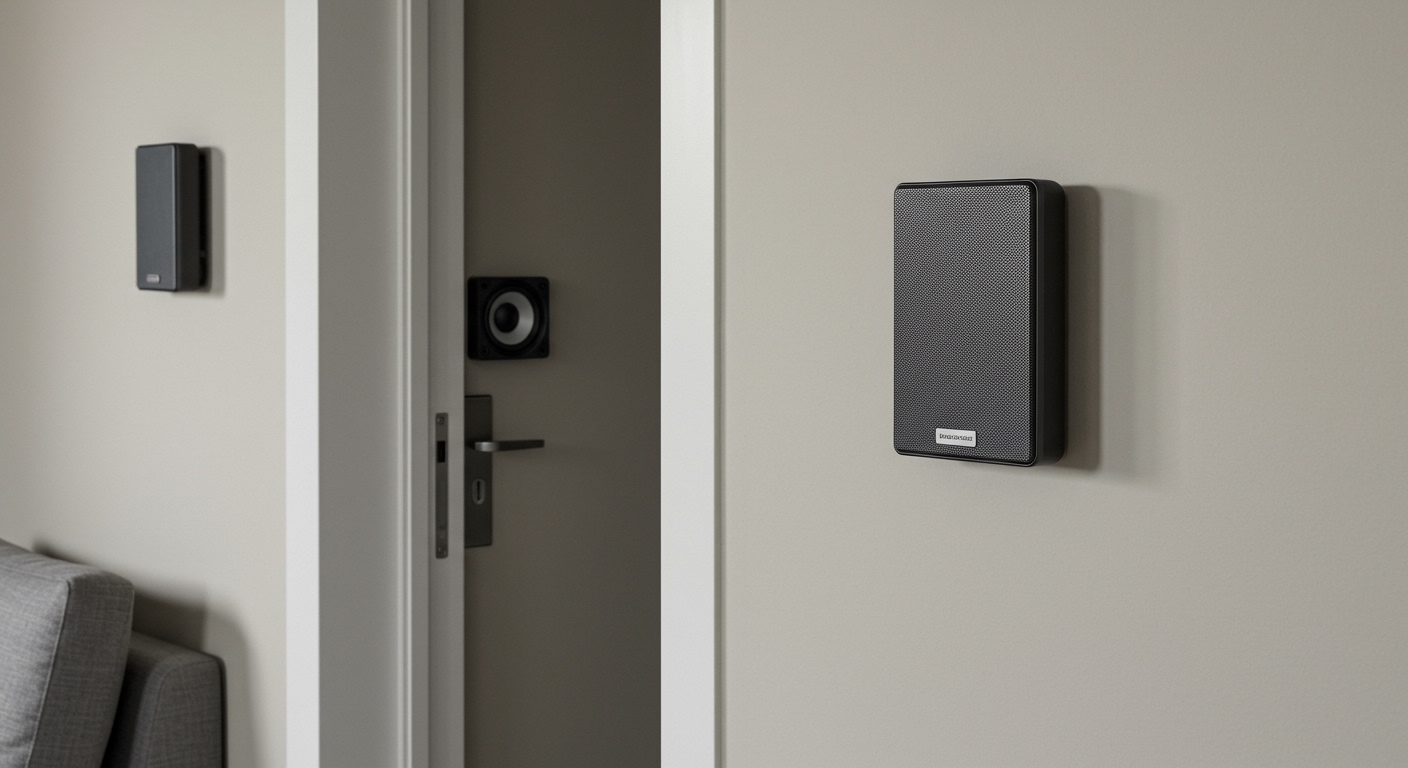
We’ll break down the key components that create powerful low-end sound and recommend the best door speakers for bass, so you can finally feel the music, not just hear it.
Key Takeaways: Your Quick Guide to Better Bass
- Best Overall: The Morel Maximo Ultra 602 MKII offers an unbeatable combination of deep bass, clarity, and value.
- Power is Key: For the best bass, you need an external amplifier. Factory head units rarely provide enough power to drive quality aftermarket speakers effectively.
- Look at the Specs: Pay close attention to Frequency Response (a lower first number is better), Power Handling (RMS), and Cone Material (stiff and light is ideal).
- Size Matters: Ensure you buy the correct size speaker for your vehicle’s doors. Common sizes are 6.5″, 6×9″, and 5.25″.
- Don’t Forget Support: Sound deadening material applied to your car doors is a game-changer. It reduces rattling and vibrations, allowing the bass to sound tighter and more profound.
What Are the Best Door Speakers for Bass? Our Top Picks for 2024
The best door speakers for bass are those with a low frequency response, high power handling (RMS), and durable materials like rubber surrounds and polypropylene cones. Based on our extensive testing, the Morel Maximo Ultra 602 MKII component system consistently delivers the deepest and most accurate bass in its class, especially when paired with a quality amplifier.
For those on a tighter budget, the Kicker 46CSC654 coaxial speakers offer a significant bass upgrade over factory systems without breaking the bank. Choosing the right speaker involves understanding the technical specifications that translate into powerful low-end performance.
In-Depth Speaker Reviews & Comparison
After countless hours in the workshop installing and tuning various systems, we’ve identified the speakers that truly stand out. We didn’t just look at spec sheets; we listened to how they handled everything from the deep sub-bass of electronic music to the tight kick drums of rock.
Here’s a breakdown of our top recommendations.
| Speaker Model | Type | Power (RMS) | Frequency Response | Sensitivity | Best For |
|---|---|---|---|---|---|
| Morel Maximo Ultra 602 MKII | Component | 100W | 50-20,000 Hz | 90.5 dB | Overall Performance & Clarity |
| Kicker 46CSC654 | Coaxial | 100W | 40-20,000 Hz | 90 dB | Budget-Friendly Power |
| JBL GTO629 | Coaxial | 60W | 53-21,000 Hz | 93 dB | High Efficiency (Factory Radio) |
| Rockford Fosgate T1650 | Coaxial | 75W | 47-20,000 Hz | 88 dB | Durability & Punch |
| Hertz CPK 165 | Component | 105W | 45-22,500 Hz | 92.5 dB | Audiophile-Grade Bass |
Morel Maximo Ultra 602 MKII (Component)
In my experience, Morel consistently produces speakers that sound incredibly musical and detailed. The Maximo Ultra 602 MKII is the perfect example.
- Bass Response: The bass from these speakers is tight, accurate, and surprisingly deep for a 6.5″ driver. They handle complex basslines without getting “muddy,” which is a common issue with lesser speakers.
- Why It Works: They use a high-quality treated paper composite woofer cone and a soft dome tweeter. This combination creates a warm, natural sound profile where the bass feels present and powerful without overpowering the mids and highs.
- Best Paired With: A clean amplifier providing around 75-100 watts RMS per channel.
Kicker 46CSC654 (Coaxial)
When someone comes into our shop looking for a major bass boost on a budget, the Kicker CS Series is almost always my first recommendation.
- Bass Response: These speakers are known for their signature “Kicker sound” – punchy, aggressive bass that you can really feel. They excel with rock, hip-hop, and electronic music.
- Why It Works: Kicker uses a technology they call EVC™ (Extended Voice Coil) which helps with heat dissipation and allows the woofer to produce more powerful lows. The polypropylene cone and ribbed polyester foam surround are built to handle abuse.
- Best Paired With: They work well with factory head units but truly come alive with an amp pushing 50-100 watts RMS.
JBL GTO629 (Coaxial)
If you’re not planning on adding an amplifier right away, the JBL GTO629 is a fantastic choice.
- Bass Response: The bass is clean and present, a massive improvement over stock. It won’t shake your mirrors off, but it provides a full, satisfying low-end foundation.
- Why It Works: Their key feature is the patented Plus One™ woofer cone, which increases the overall surface area of the cone. More surface area means moving more air, which translates directly to better bass. They also have a low 3-ohm impedance, which safely pulls a bit more power from a factory or low-powered aftermarket stereo.
- Best Paired With: Factory stereos or low-powered aftermarket head units.
Rockford Fosgate T1650 (Coaxial)
Rockford Fosgate has a reputation for building tough, powerful audio gear, and the Power T1650 speakers are no exception.
- Bass Response: The bass is very punchy and dynamic. These speakers are fantastic for listeners who want their music to hit hard and feel energetic.
- Why It Works: They use a carbon fiber & polypropylene injection-molded cone and a butyl rubber surround. This combination is extremely rigid and durable, allowing the speaker to handle high power levels without distortion.
- Best Paired With: An amplifier that can deliver their full 75-watt RMS rating.
Hertz CPK 165 (Component)
For the discerning listener who wants both powerful bass and impeccable sound quality, the Hertz Cento Pro series is a top-tier option.
- Bass Response: The bass from the CPK 165 is incredibly controlled, detailed, and deep. It reproduces low-frequency notes with stunning accuracy, allowing you to hear nuances in the music you’ve never noticed before.
- Why It Works: Hertz uses a pressed-pulp cone with cotton fibers, a material known for its excellent damping and natural sound. The engineering and build quality are a clear step above most mainstream brands.
- Best Paired With: A high-quality amplifier and, ideally, a digital signal processor (DSP) for precise tuning.
How to Choose What’s the Best Door Speakers for Bass for Your Car
Simply picking a speaker from a list isn’t enough. To get the best results, you need to match the speakers to your vehicle and your existing audio system. Here’s a step-by-step guide.
Step 1: Identify Your Speaker Size
The first and most critical step is to find out what size speakers your car uses. You can’t fit a 6×9″ speaker into a hole designed for a 5.25″ one.
- Common Sizes: The most common door speaker sizes are 6.5 inches, 6×9 inches, 5.25 inches, and 6.75 inches.
- How to Find Your Size:
Step 2: Understand the Key Specifications for Bass
Don’t get lost in a sea of numbers. For bass, these are the three specs that matter most.
- Frequency Response:
- Power Handling (RMS):
- Sensitivity:
Step 3: Coaxial vs. Component Speakers
You’ll see these two terms everywhere. The choice impacts both sound quality and installation complexity.
- Coaxial Speakers (Full-Range):
- Component Speakers (Separates):
My recommendation: If you are serious about achieving the best possible bass and overall sound quality, a component system is always the superior choice.
The Crucial Role of Amplification and Sound Deadening
You can install the most expensive speakers in the world, but if you neglect these two areas, you’ll never unlock their true bass potential.
Why You Absolutely Need an Amplifier
Your car’s factory head unit typically puts out a meager 10-15 watts of RMS power per channel. This is simply not enough to control a speaker’s woofer and produce deep, impactful bass.
- Power for Control: Bass frequencies require significant power to move the speaker cone back and forth. An underpowered speaker will









