What Size Speakers Are in a 2006 Toyota Tundra?
Tired of that muddy, flat sound coming from your factory stereo? You’re not alone. The stock audio system in the first-generation Tundra was built for function, not fidelity. If you’re ready to hear your music with clarity and punch, the single best upgrade you can make is replacing those aging paper-cone speakers. This guide provides the exact sizes you need for your 2006 Toyota Tundra and the step-by-step process I’ve used in my shop hundreds of times to get it done right.
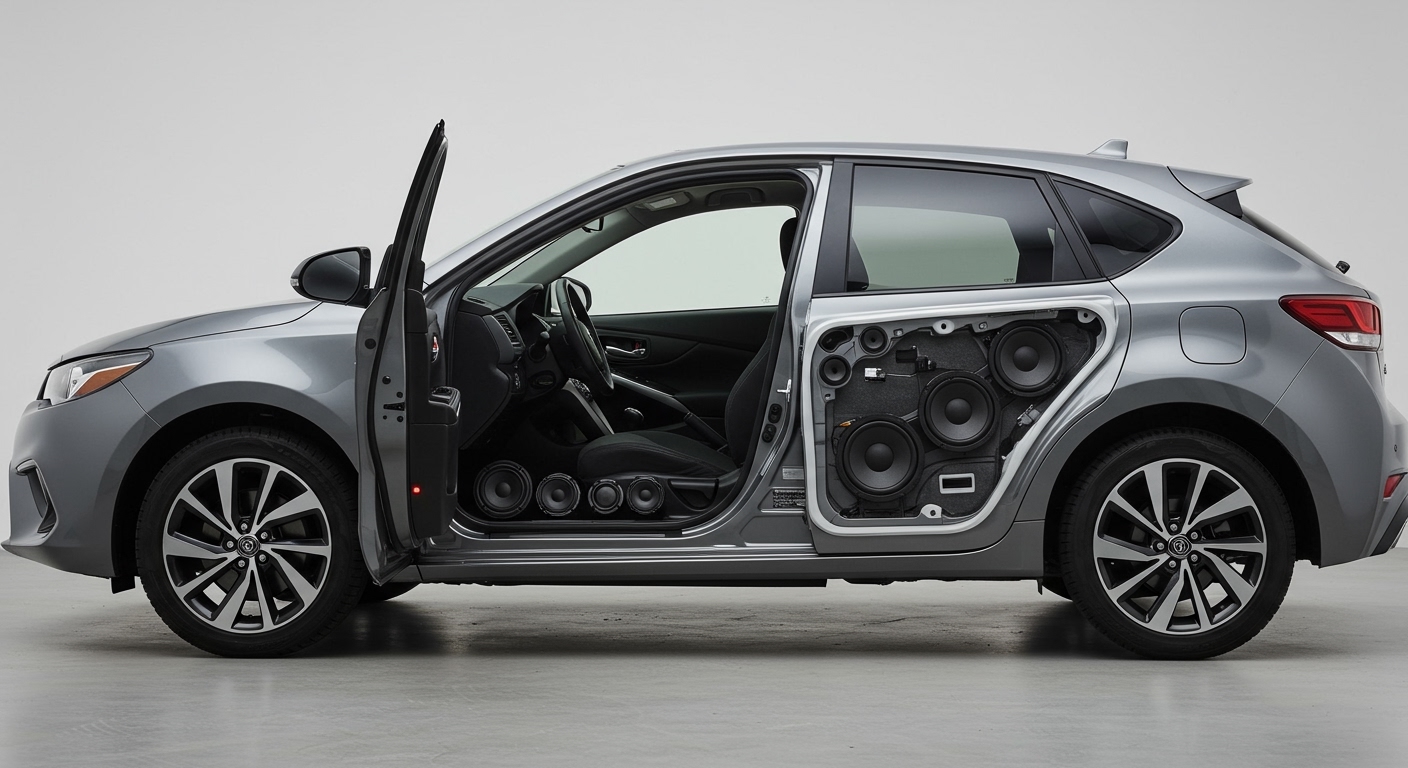
Key Takeaways: 2006 Tundra Speaker Sizes
- Front Door Speakers: 6″x9″ (oval speakers).
- Rear Door Speakers (Access & Double Cab): 6.5″ (round speakers).
- Dash Tweeters (If Equipped): Approximately 1″ tweeters, often integrated into the door’s component system.
- Pro Tip: You can easily fit higher-quality 6.5″ or 6.75″ component speakers in the front doors using a simple adapter bracket, which dramatically opens up your options for better sound.
A Detailed Look at 2006 Toyota Tundra Speaker Sizes
Getting the right size is the most critical first step in any speaker upgrade. An incorrect size means it either won’t fit at all or it will require heavy modification. Based on my direct experience working on these trucks, here is the definitive breakdown for every speaker location in a 2006 Toyota Tundra.
Front Door Speakers: The Main Stage
The front speakers are the most important for your sound quality, as they produce the soundstage you hear from the driver’s seat.
- Stock Size: 6″x9″ Speakers
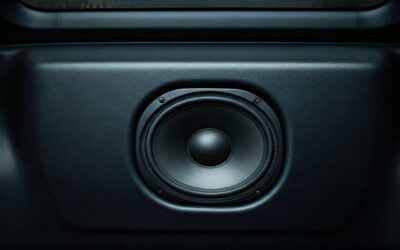
- Physical Fit: The factory speakers are an oval 6″x9″ size. Direct replacements are available and offer a simple drop-in installation.
- My Expert Recommendation: I strongly advise against a simple 6″x9″ coaxial replacement. Instead, use a 6.5″ or 6.75″ component speaker system with an adapter plate. The reason is simple: the selection and audio quality of round component speakers are vastly superior to most 6″x9″ options. A component system separates the woofer (for mid-bass) and the tweeter (for highs), creating a much clearer and more immersive sound, just like a quality home stereo system.
Rear Door Speakers: Filling the Cabin
The rear speakers provide “fill” sound for the cabin and for any passengers in the back. The size is consistent between the two cab configurations for this year.
- Stock Size (Access Cab & Double Cab): 6.5″ Speakers
- Physical Fit: These are standard round speakers. Most aftermarket 6.5″ speakers will drop right in with minimal fuss.
- Mounting Depth: This is a crucial measurement. I’ve found that the 2006 Tundra’s rear doors have a generous mounting depth, typically accommodating speakers up to 2.5 inches deep. Always check the specs of your chosen speaker, but most popular models from brands like JBL, Kicker, and Rockford Fosgate fit perfectly.
Dash Tweeters: The High Frequencies
If your Tundra came with the upgraded factory sound system (like the JBL system), you’ll have small speakers in the sail panels or upper door area.
- Stock Size: Approximately 1″ tweeters.
- Replacement Strategy: These are almost always part of a component system. When you upgrade the front doors to a new 6.5″ component set, it will come with new, superior tweeters. You will mount these new tweeters in the factory location, which sometimes requires a small amount of hot glue or a custom bracket to hold them securely in place. The improvement in vocal clarity and instrumentals like cymbals is dramatic.
Step-by-Step Guide: How to Replace Your 2006 Tundra Speakers
Ready to get your hands dirty? This process is straightforward and can be completed in an afternoon with basic tools. I’ve broken it down into the exact steps we follow in our professional installation bay.
Step 1: Gather Your Tools & Materials
Having everything ready before you start makes the job go smoothly. There’s nothing worse than having a door panel off and realizing you’re missing a tool.
- Essential Tools:
- Essential Materials:
Step 2: Removing the Door Panels
Be patient and methodical here. The plastic clips are over a decade old and can be brittle.
- Locate and Remove Screws: There are typically three screws. One is behind a small plastic cover in the door handle recess, one is inside the armrest pull cup, and one is often at the very front edge of the panel near the sail panel (the small triangular piece by the mirror).
- Pry the Panel: Start at the bottom of the door panel with your plastic pry tool. Slide it between the panel and the metal door frame until you feel a clip. Give it a gentle but firm pop. Work your way around the bottom and sides of the door.
- Lift and Disconnect: Once all the clips are free, lift the door panel straight up and off the window sill.
- Disconnect Harnesses: The panel will still be attached by the cables for the door handle and the wire harnesses for the power windows and locks. Carefully disconnect these. I suggest taking a quick photo with your phone so you remember where everything goes.
Step 3: Uninstalling the Old Factory Speaker
This is the easy part.
- Unscrew the Speaker: The factory speaker is held in by four 10mm bolts or Phillips head screws. Remove them.
- Disconnect the Wire: The speaker has a small plastic connector on it. Press the tab and pull it off. The old speaker is now free.
Step 4: Installing Your New Speaker
Now for the rewarding part.
- Prepare the Connection: Take your speaker wire harness adapter. Plug one end into the factory harness you just disconnected from the old speaker.
- Mount the Speaker/Bracket: If you’re using an adapter bracket for the front doors, screw it into the factory mounting holes first. Then, connect the wires to your new speaker’s terminals (positive to positive, negative to negative).
- Secure the New Speaker: Place the new speaker into the door or onto the mounting bracket and secure it using the screws provided.
- CRITICAL TEST: Before you put the door panel back on, reconnect the window/lock controls and test the speaker! Turn on your stereo and use the balance and fader controls to ensure the new speaker is working correctly. This 30-second test can save you an hour of rework.
Step 5: Reassembling the Door Panel
Simply reverse the process.
- Reconnect the door handle cables and electrical harnesses.
- Hook the top of the door panel over the window sill first.
- Align the plastic clips with their holes in the door frame and give the panel a firm push to pop them back into place.
- Re-install the screws you removed in Step 2.
Congratulations! You’ve successfully upgraded one of your speakers. Now just repeat the process for the other doors.
Comparing Speaker Sizes: Tundra vs. Other Toyota Trucks
Curious how your 2006 Tundra stacks up against other popular Toyota trucks? This knowledge is incredibly helpful if you own multiple vehicles or are helping a friend. As an installer, I have to keep this information straight all the time.
| Vehicle Model & Year | Front Door Speaker Size | Rear Door Speaker Size | Dash/A-Pillar Tweeter |
|---|---|---|---|
| 2000-2006 Toyota Tundra | 6″x9″ | 6.5″ | ~1″ (upper door/sail) |
| 2007-2021 Toyota Tundra | 6″x9″ (or 6.5″ with adapter) | 6.5″ | ~2.5″-3.5″ (dash corners) |
| 2005-2015 Toyota Tacoma | 6″x9″ (Access Cab) / 6.5″ (Double Cab) | 6.5″ | ~1″ (upper door/sail) |