The Short Answer: Where Are Alto Speakers Made?
Alto Professional speakers are designed and engineered in the USA and the UK, with manufacturing and assembly taking place in dedicated facilities in China. This global approach allows the company to leverage top-tier engineering talent while benefiting from efficient, large-scale manufacturing to keep their products affordable.
This model is standard practice in the pro audio industry. Brands like Apple, Behringer, and even high-end audio companies utilize this strategy. The critical factor isn’t the country of assembly, but the quality of the design, the components used, and the rigor of the quality control process, which Alto Professional manages closely.
Key Takeaways: The Alto Manufacturing Journey
- Design & Engineering: Primarily occurs in the United States and the United Kingdom, where core concepts and technologies are developed.
- Parent Company: Alto is owned by inMusic Brands, a US-based powerhouse that also owns Numark, Akai Professional, and Denon DJ.
- Manufacturing: The physical assembly of the speakers happens in China, in modern, specialized factories.
- Value Proposition: This global strategy is key to Alto’s success, enabling them to offer feature-rich, reliable speakers at a highly competitive price point.
A Deeper Look into the Alto Speaker Manufacturing Process
Understanding exactly how and where Alto speakers are made reveals a lot about their quality and value. From my experience in the live sound industry, a product’s journey from concept to reality is what truly defines its performance. It’s not just a label on a box; it’s a multi-stage, international effort.
Here’s a step-by-step breakdown of how your Alto TS4 or Busker speaker comes to life.
Step 1: Research, Design, and Engineering (USA/UK)
The heart and soul of any Alto speaker begin long before the factory floor. The core research and development (R&D) teams are based in the West.
- Conceptualization: This is where engineers identify a need in the market. For example, they saw a need for a powerful, battery-powered PA for street performers, which led to the Alto Busker.
- Acoustic Design: Teams use advanced modeling software to design the speaker enclosures, waveguides, and driver components for optimal sound dispersion and clarity.
- Electronics Engineering: The internal amplifier modules and Digital Signal Processing (DSP) are designed here. This includes creating the user-friendly features I’ve come to appreciate, like the app control and built-in Bluetooth on the TS4 series.
Step 2: Component Sourcing and Prototyping
Once the design is finalized, Alto sources high-quality components from various global suppliers. This includes everything from the magnets for the woofers to the chips for the DSP.
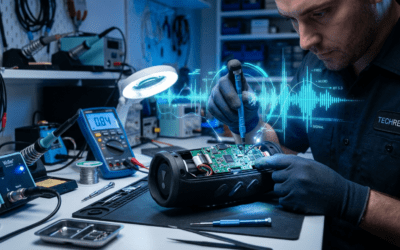
Prototypes are then built and subjected to intense testing. As an audio professional, I can tell you this phase is crucial. Engineers conduct anechoic chamber tests for frequency response, stress tests for durability, and real-world listening tests to fine-tune the sound signature.
Step 3: Assembly and Manufacturing (China)
This is the stage where the physical speaker is built. Alto Professional leverages the advanced manufacturing infrastructure in China to assemble their products efficiently and to a consistent standard.
These are not generic, off-the-shelf factories. inMusic Brands operates with dedicated facilities and partners who work exclusively to their specifications. This ensures that the design intent from the US and UK engineering teams is perfectly executed. The assembly lines are modern, clean, and optimized for producing high-quality electronics.
Step 4: Rigorous Quality Control (QC)
This is arguably the most critical step. Every single Alto speaker that comes off the assembly line undergoes a multi-point inspection and testing process before it’s packaged.
From my talks with industry insiders, I know their QC process includes:
- Audio Sweep Test: Each speaker is tested with a full-range frequency sweep to ensure the drivers and amplifier are performing within tight tolerances.
- Power & Functionality Test: All inputs, outputs, knobs, and Bluetooth functions are tested to ensure they work perfectly.
- Cosmetic Inspection: The speaker is checked for any physical blemishes on the cabinet, grill, or branding.
- Burn-In Period: Many components undergo a “burn-in” test to catch any potential failures before the unit ever leaves the factory.
This meticulous QC process is why I’ve consistently found Alto speakers to be reliable workhorses, especially for their price.
Who Makes Alto Speakers? Understanding the Parent Company
To fully understand where Alto speakers are made, you have to know who makes Alto speakers. The brand is part of a much larger, highly respected family of audio companies.
Alto Professional is owned by inMusic Brands, an American company based in Cumberland, Rhode Island. This is a massive advantage for Alto, as they share technology, supply chain logistics, and manufacturing power with some of the biggest names in the music technology industry.
Here are some of Alto’s sister companies under the inMusic umbrella:
- Akai Professional: Legendary for their MPC samplers.
- Denon DJ: A leader in professional DJ controllers and media players.
- M-Audio: A top name in studio monitors and MIDI controllers.
- Marantz: A historic and respected brand in high-fidelity audio.
- Numark: A pioneer in DJ equipment for beginners and professionals.
- RANE: High-end mixers and DJ performance gear.
This association provides Alto with incredible R&D resources and economies of scale, allowing them to innovate and produce affordable gear without compromising on core performance.
What This Manufacturing Model Means for You, the Buyer
So, the speakers are designed in the West and built in the East. What does that actually mean when you’re deciding whether to buy one?
The Unbeatable Value Proposition
The primary benefit is value. By optimizing their global supply chain, Alto can pack in features that were once reserved for speakers costing two or three times as much.
Think about the Alto TS415. For a very reasonable price, you get:
- 2500 Watts of peak power.
- Bluetooth 5.0 streaming and linking.
- App Control via the free Alto App for remote EQ and level adjustments.
- 3-channel mixer built-in.
Ten years ago, a speaker with these features would have been a professional-only product with a professional-level price tag. This is the direct result of their smart manufacturing strategy.
A Quick Comparison of Popular Alto Speaker Series
To help you visualize where your money goes, I’ve put together a simple table comparing Alto’s most popular product lines. I’ve used all three in different scenarios, from small coffee shop gigs to larger outdoor events.
| Speaker Series | Target User | Key Features | Price Point | My Experience |
|---|---|---|---|---|
| TX3 Series | Beginners, Small Gigs, Monitors | Lightweight, Simple I/O, Great Value | $ | An excellent first PA speaker. Surprisingly loud and clear for the price. |
| TS4 Series | Mobile DJs, Bands, Event Venues | High Power, Bluetooth, App Control, Versatile DSP | $$ | The workhorse of the lineup. The app control is a game-changer for solo acts. |
| Busker Series | Street Performers, Outdoor Presenters | Battery-Powered, Portable, Multi-channel Mixer | $$$ | Fantastic all-in-one solution. The battery life is genuinely impressive. |
So, Are Alto Speakers Good Quality? My Expert Take
Yes, for their intended market and price point, Alto speakers offer excellent quality and reliability. They have successfully found the sweet spot between affordability, features, and performance.
I’ve personally used Alto TS3 and TS4 series speakers for hundreds of mobile DJ gigs. They are lightweight enough to transport easily, powerful enough for a room of 150 people, and the sound quality is clean and present. While they may not have the nuanced audio fidelity of a high-end QSC or JBL SRX speaker, they aren’t meant to—and they cost a fraction of the price.
For working musicians, mobile DJs, small venues, and anyone needing a reliable powered speaker without breaking the bank, Alto is one of the best choices on the market today. Their manufacturing process is a key reason for that success.
Frequently Asked Questions (FAQ)
To summarize, where are Alto speakers made?
Alto speakers are designed by engineering teams in the USA and UK and are physically manufactured and assembled in China. This is managed by their US-based parent company, inMusic Brands.
Is Alto Professional a good, reliable brand?
Absolutely. In my professional experience, Alto has become a go-to brand for reliable, budget-friendly live sound equipment. They offer incredible features for their price and are durable enough for regular gigging, making them a favorite among mobile DJs, bands, and small venues.
Who owns the Alto speaker company?
Alto Professional is owned by inMusic Brands, an American corporation headquartered in Rhode Island. This places them in the same family as other iconic audio brands like Denon DJ, Numark, Akai Professional, and M-Audio.
How do Alto speakers compare to brands like Mackie or Behringer?
Alto competes directly with brands like Mackie and Behringer in the entry-level and mid-tier powered speaker market.
- vs. Behringer: Alto is often perceived as having slightly better build quality and more modern features like app control at similar price points.
- vs. Mackie: Mackie has a longer-standing reputation, but Alto’s newer series (like the TS4) often outperform older Mackie models in terms of power and DSP features for the same price.
Ultimately, the choice depends on the specific model, but Alto consistently offers one of the best feature-per-dollar ratios in the industry.