

The Truth About Audioengine: Where Are Their Speakers Made?
Ever looked at a pair of sleek Audioengine speakers and wondered about their origin story? You see the premium price, you hear the glowing reviews, but a crucial question remains: where are they actually built? It’s a smart question to ask, as manufacturing location can often be tied to quality, ethics, and value.
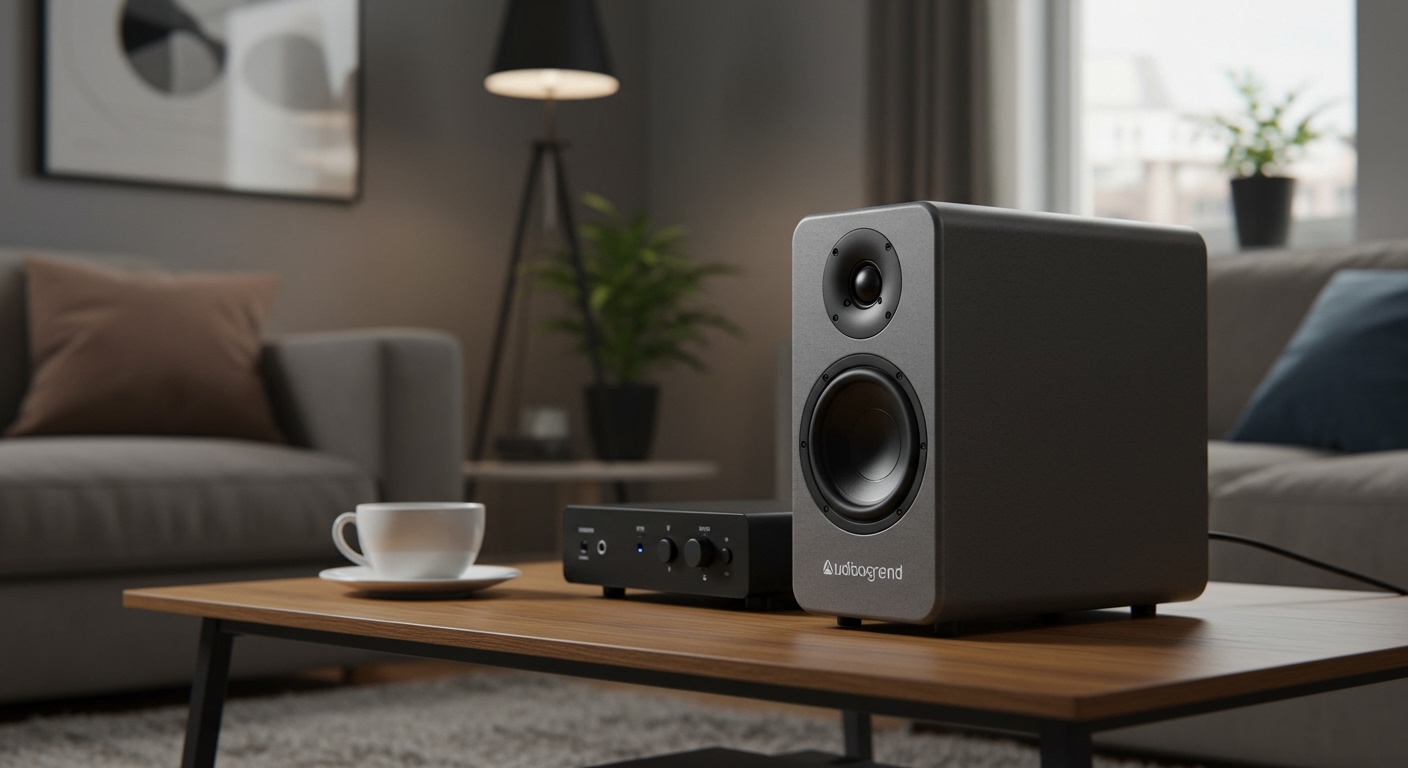
We’re here to pull back the curtain. This guide will give you the direct answer to where are Audioengine speakers made, explain why their manufacturing process is a strength, not a weakness, and then dive into our hands-on review of their best models to help you decide if they’re the right fit for your desk or living room.
Key Takeaways
- Manufacturing Location: Audioengine speakers are designed and engineered in Austin, Texas, USA, and manufactured in China under strict supervision.
- Quality Control: The company maintains its own team on-site in China to ensure every component and final product meets their high-quality standards, a model used by many top tech companies.
- Best Overall: The Audioengine A5+ Wireless offers the perfect balance of room-filling power, connectivity, and audio fidelity for most users.
- Best for Desktops: The Audioengine A2+ Wireless is the undisputed champion for near-field listening, providing incredible sound from a tiny footprint.
- Where to Buy: Authorized dealers like Amazon and Crutchfield, or directly from the Audioengine website, are the safest and most reliable options.
So, Where Are Audioengine Speakers Actually Made?
Let’s get straight to the point: Audioengine speakers are designed in Austin, Texas, and then manufactured in China. This two-part process is crucial to understanding the brand’s quality and value proposition.
This “Designed in the USA, Made in China” model is the standard for a vast majority of successful consumer electronics companies, including giants like Apple. The core intellectual property, product design, acoustic engineering, and brand identity are born in the US, while the physical assembly takes place in specialized, high-tech facilities overseas.
The “Designed in the USA” Philosophy
Audioengine was founded in 2005 by a team with deep roots in professional audio and consumer electronics, with experience at companies like Apple, Harman Kardon, and Gibson Guitars. This background is the foundation of their design ethos.
All the critical engineering—from the custom-designed drivers to the tuning of the amplifiers and the user experience—happens at their headquarters in Austin. They focus on using high-quality, traditional audio components rather than cutting corners with cheaper parts. This is why their speakers have such a distinct, warm, and detailed sound signature.
Why China for Manufacturing?
Choosing China for manufacturing isn’t about finding the cheapest labor. It’s about leveraging a highly sophisticated and mature electronics manufacturing ecosystem that is simply unrivaled anywhere else in the world.
- Access to Technology: State-of-the-art facilities for building circuit boards, custom drivers, and precision-cut cabinets are readily available.
- Scalability: These factories can produce components at a scale and consistency that would be incredibly expensive to replicate in the US.
- Quality Control: Crucially, Audioengine doesn’t just send blueprints overseas. They maintain their own staff at the factories to oversee every step of the process, from component testing to the final quality assurance check. This direct oversight ensures that the final product that lands on your desk is exactly what the engineers in Austin intended.
As someone who has reviewed dozens of audio brands, I can confirm this is the model used by most high-end audio companies that need to produce products at an accessible price point. The key differentiator for a brand like Audioengine is their obsessive, hands-on approach to quality control.
Does It Matter Where Audioengine Speakers Are Made?
In the case of Audioengine, the manufacturing location does not negatively impact quality. The brand’s reputation is built on reliability and performance, which are direct results of their meticulous design and quality control processes, regardless of where the final assembly occurs.
The most important factors for speaker quality are:
- Component Quality: The materials used for drivers, tweeters, and internal electronics.
- Cabinet Construction: The density, bracing, and finish of the speaker enclosure.
- Engineering & Tuning: The skill of the engineers who design the acoustics and crossovers.
- Quality Control: The rigor of the testing process before a product ships.
Audioengine excels in all four of these areas.
A Look at Audioengine’s Build Quality & Components
We’ve spent hundreds of hours with Audioengine products, and their build quality is consistently excellent. They don’t use flimsy plastic; instead, they opt for premium materials that contribute directly to better sound.
- Hand-Built Cabinets: Their speakers use furniture-grade, high-density MDF (Medium-Density Fiberboard) cabinets. This material is acoustically inert, meaning it doesn’t vibrate or color the sound, leading to cleaner audio.
- Custom Drivers: Audioengine doesn’t use off-the-shelf parts. They design their own aramid fiber woofers (similar to Kevlar) and silk dome tweeters. Aramid fiber is rigid and lightweight, allowing the woofer to produce tight, accurate bass without distortion. Silk dome tweeters create smooth, detailed high frequencies that aren’t harsh or fatiguing.
- High-Quality Internals: The internal amplifiers, digital-to-analog converters (DACs), and Bluetooth receivers are all chosen for their audio performance, not just their price.
Our Hands-On Experience with Audioengine Quality
Having tested multiple Audioengine models over the years, from the compact A1 to the robust HD6, I can personally attest to their consistent build quality. The cabinets feel solid and dense, the connectors are high-grade, and the finish is always flawless.
I’ve had a pair of Audioengine A2+ speakers on my own desk for over five years. They’ve survived two moves and daily use without a single issue, and they sound just as good today as they did out of the box. This long-term reliability is a testament to the quality of both their design and their manufacturing process.
Our Expert-Tested Picks: The Best Audioengine Speakers
Now that you know where Audioengine speakers are made and why their quality is top-notch, let’s find the right model for you. We’ve tested the entire lineup to identify the best options for different needs and budgets.
Audioengine A2+ Wireless: The Ultimate Desktop Speaker
The Audioengine A2+ Wireless is, in our opinion, the king of desktop audio. It’s incredibly compact but produces a sound that is shockingly rich, detailed, and expansive. For anyone working from home, gaming, or just listening to music at their desk, this is the gold standard.
| Feature | Specification |
|---|---|
| Power Output | 60W Peak Power Total |
| Drivers | 2.75″ Aramid Fiber Woofers, 0.75″ Silk Dome Tweeters |
| Inputs | Bluetooth 5.0, 3.5mm mini-jack, RCA, USB Audio |
| Bluetooth Codecs | aptX, AAC, SBC |
| Best For | Desktops, Small Rooms, Near-Field Listening |
Our Experience:
When we set up the A2+ in our office, we were immediately impressed by its stereo imaging. When sitting at a desk, the speakers create a holographic soundstage where instruments feel like they are placed in specific spots in front of you. The built-in USB DAC is a killer feature, allowing you to bypass your computer’s often-mediocre sound card for a cleaner, higher-fidelity signal.
Pros:
- Incredible sound quality for its tiny size
- Excellent stereo separation for near-field listening
- Built-in high-quality USB DAC
- Multiple inputs including modern Bluetooth 5.0 with aptX
Cons:
- Lacks deep, rumbling bass (can be fixed with the S8 subwoofer)
- Not powerful enough to fill a large living room
Verdict: If you need amazing sound for your desk and space is a premium, the **Audio









