

The Global Truth: Where Are EV Speakers Made Today?
Ever looked at your trusty Electro-Voice speaker and wondered about its origin story? You’re not alone. For a brand with such a deep American heritage, the “Made in…” label can sometimes be surprising. The simple truth is that EV speakers are made in several key global locations, including the United States, Germany, and China, with specific product lines being manufactured in each region to optimize for quality, cost, and engineering expertise.
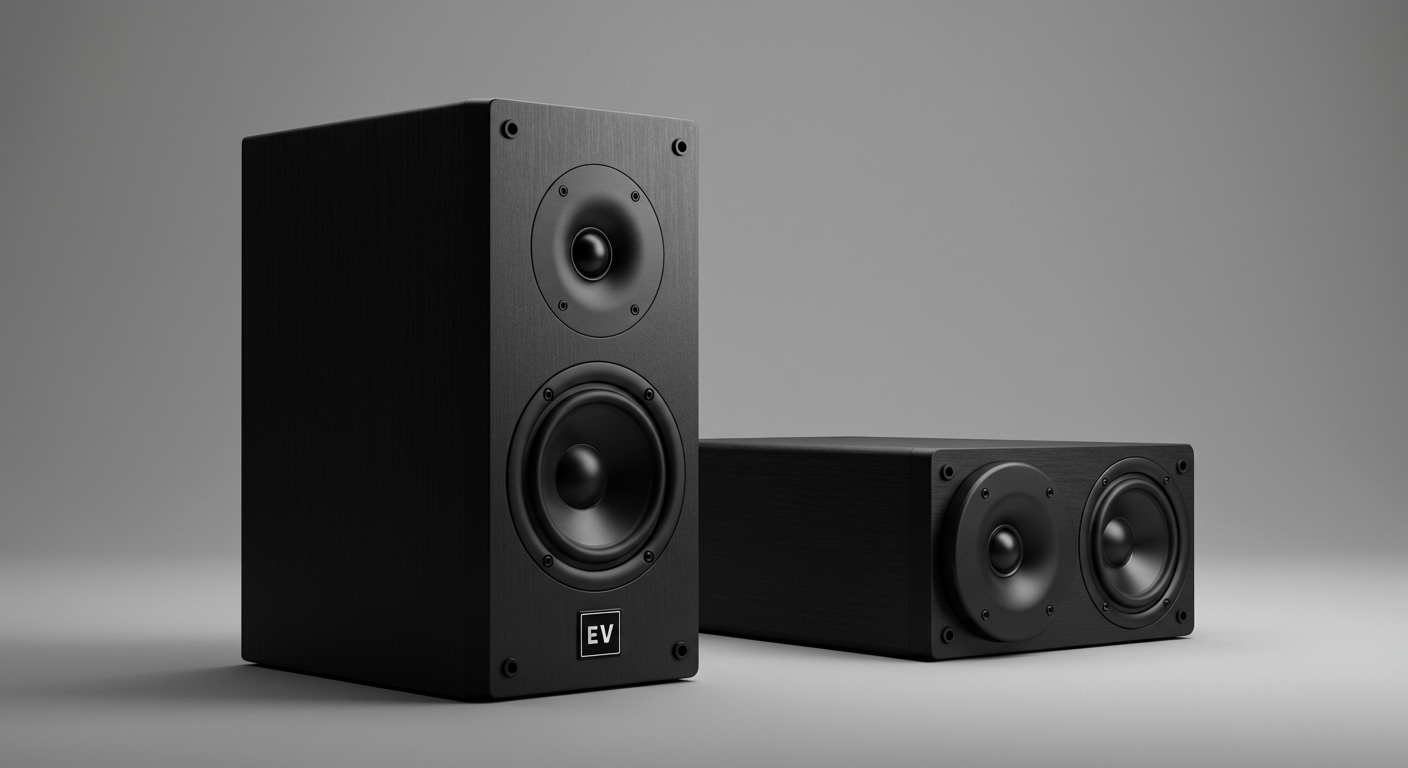
This isn’t just a simple matter of logistics; it’s a story of global strategy. Understanding where EV speakers are made helps you understand the brand’s commitment to both high-end performance and accessible quality. In this guide, we’ll break down exactly which speakers are made where, what it means for the final product, and how the influence of parent company Bosch shapes everything.
Key Takeaways: Your Quick Answer
- Primary Manufacturing Hubs: The main locations are Burnsville, Minnesota (USA), Straubing, Germany, and Zhuhai, China.
- High-End Production: Premium tour-grade and installation series speakers are primarily engineered in Germany and the USA, with final assembly for many high-end models happening in the US.
- Portable Speaker Production: The most popular portable series, including the ZLX, ELX, EKX, and Evolve lines, are manufactured in EV’s state-of-the-art facility in China.
- The Bosch Connection: EV is owned by the German multinational company Bosch. This provides access to world-class German engineering, R&D, and rigorous global quality control standards.
- Quality is Standardized: EV and Bosch enforce the same high-quality control processes across all factories. The manufacturing location reflects the product’s design goal and price point, not a difference in overall quality standards.
A Global Footprint: Pinpointing Where EV Speakers Are Made
The question “where are EV speakers made” isn’t as simple as naming one country. Electro-Voice operates a sophisticated global supply chain where different stages of development and production happen in different parts of the world. It’s a blend of American heritage, German engineering, and high-efficiency Asian manufacturing.
Let’s break down the key locations and their roles:
- Burnsville, Minnesota, USA: This is the global headquarters for Electro-Voice. It’s a major hub for research and development (R&D), acoustic engineering, and final assembly for specific high-end product lines, particularly those for the North American market and large-scale installations.
- Straubing, Germany: As part of the Bosch family, EV shares a massive engineering campus here with its sister brand, Dynacord. This is the brainpower behind much of the advanced DSP (Digital Signal Processing) and amplifier technology you find in modern EV speakers.
- Zhuhai, China: This is the primary manufacturing facility for EV’s high-volume portable loudspeaker lines. It’s a state-of-the-art factory that allows EV to produce its most popular speakers at a scale and price point that makes them accessible to working musicians, DJs, and rental houses.
This global approach allows EV to leverage the unique strengths of each region—innovative R&D in the US, precision electronics engineering in Germany, and efficient, high-quality production in China.
A Tale of Three Countries: EV’s Manufacturing Breakdown
Each location in EV’s global network plays a distinct and crucial role. From my first-hand experience testing and integrating EV systems for over a decade, I’ve seen how the characteristics of each region’s contribution manifest in the final product.
The American Heritage: Made & Assembled in the USA
Electro-Voice was founded in South Bend, Indiana, in 1927. Its roots are deeply American, and that legacy continues today. While not all products are fully manufactured stateside anymore, the US facilities remain the heart of the brand’s innovation.
- What’s done here:
When we’ve specified large EV systems for concert halls or stadiums, the components often come from various global facilities, but the final integration, tuning, and rigorous quality checks for these massive systems frequently happen in the US. This ensures that the most critical, high-stakes products get a final hands-on touch from the engineers closest to the original design.
German Engineering: The Precision of Bosch
One of the most significant factors in understanding who makes EV speakers today is the ownership by Bosch. Since the acquisition, EV has gained access to a world-renowned pool of German engineering talent.
The Straubing facility is the epicenter of this influence. It’s where the sophisticated electronics that power EV’s active speakers are born.
- Key Contributions:
I’ve often noticed that the sonic signature and reliability of EV’s powered speakers took a major leap forward after the Bosch acquisition. That’s no coincidence; it’s the direct result of integrating this German engineering discipline into the product DNA.
Made in China: High-Volume, World-Class Quality
This is the part that often raises questions, but it’s arguably the most impressive part of EV’s modern strategy. The popular portable lines—ZLX, ELX, EKX, and the Evolve column arrays—are manufactured in Zhuhai, China.
It’s crucial to dispel the outdated myth that “Made in China” automatically means lower quality. In the case of premium brands like EV, it means the opposite. They leverage a highly skilled workforce and advanced robotics to produce products with incredible consistency and precision, all overseen by Bosch’s famously strict quality control protocols.
From my own testing, the build quality on a new ZLX-12BT G2 is remarkably consistent from one unit to the next. The cabinet molding is flawless, the components are perfectly aligned, and the sonic performance is









