

Do Wireless Speakers Need Power? The Expert’s Guide
Staring at that sleek new “wireless” speaker, you might be picturing a world with zero cables cluttering your space. It’s a common dream, but it often leads to a confusing question: if it’s wireless, how does it turn on? As someone who has tested and set up countless audio systems, from portable Bluetooth units to complex multi-room Wi-Fi setups, I can tell you this is one of the most frequent points of confusion. The term “wireless” is a bit of a misnomer, and understanding what it truly means is key to picking the right speaker and getting the most out of it.
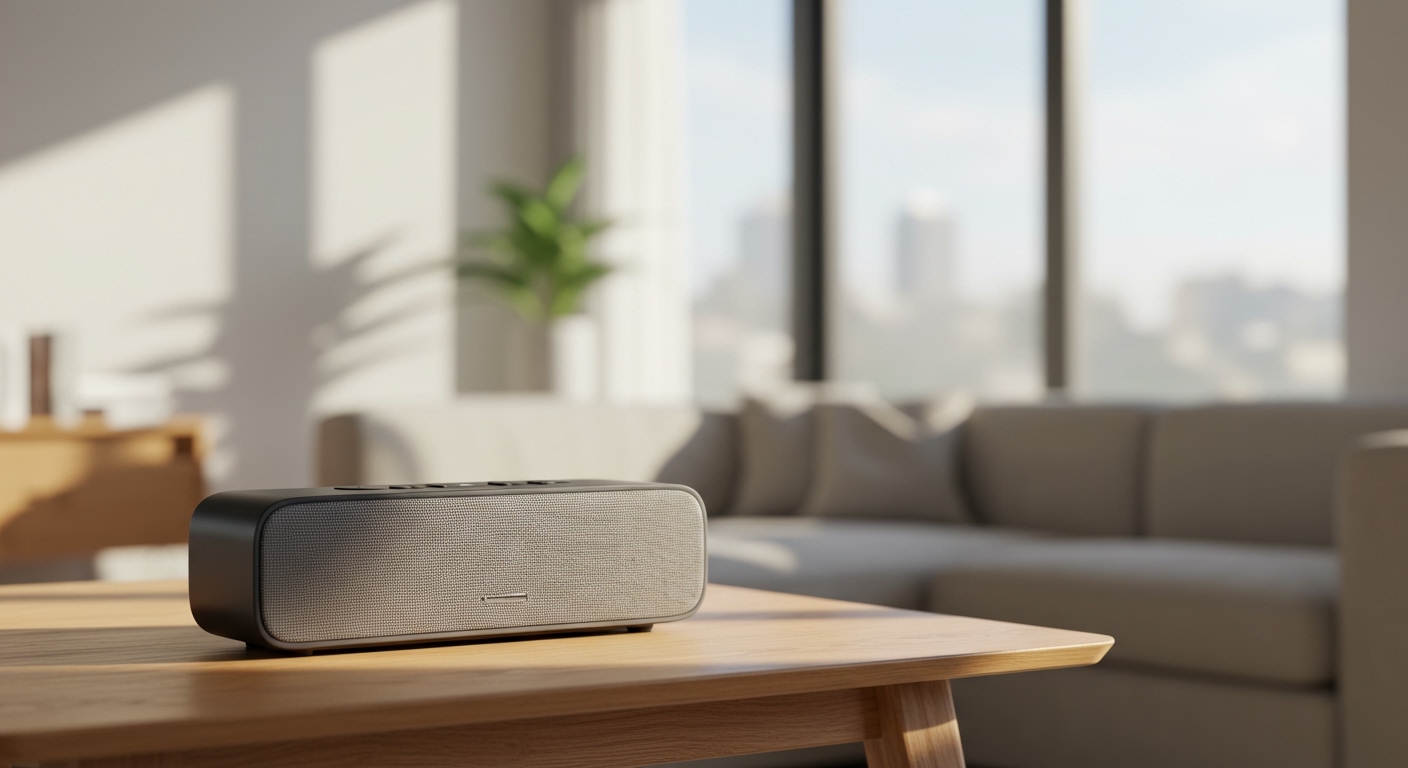
The simple answer is yes, all wireless speakers need power to function. The “wireless” part refers to the audio signal connection—how your phone, TV, or computer sends music to the speaker—not its source of electricity. This guide will break down exactly how they get their power, the different types available, and how to choose the perfect one for your needs.
Key Takeaways
- Yes, Wireless Speakers Need Power: The term “wireless” describes the audio connection (like Bluetooth or Wi-Fi), not the electrical power source.
- Two Main Power Sources: Speakers get power from either a built-in rechargeable battery (for portability) or a direct AC power cord plugged into a wall outlet (for stationary use).
- Battery is for Portability: Battery-powered speakers are designed for on-the-go use, like at the park or beach. Their playtime is limited by battery capacity.
- AC Power is for Performance: AC-powered speakers are typically larger, more powerful, and designed for home use (e.g., home theater, smart speakers). They offer unlimited playtime.
- Understand Your Use Case: Your primary decision should be based on where you plan to use the speaker most. Do you need to move it around, or will it stay in one spot?
The “Wireless” Misconception: Unpacking What It Really Means
The most critical thing to understand is the difference between a wireless signal and wireless power. When a speaker is marketed as “wireless,” it means you don’t need a physical audio cable (like a 3.5mm aux cord or an RCA cable) to connect it to your music source.
Instead, it uses wireless technologies to receive the audio data through the air:
- Bluetooth: This is the most common technology for portable speakers. It creates a direct, short-range connection between your device (e.g., smartphone) and the speaker. It’s perfect for its simplicity and universal compatibility.
- Wi-Fi: This is often used for stationary home speakers and multi-room audio systems (like Sonos or Bose Home Speaker series). It connects to your home’s Wi-Fi network, allowing for higher-quality audio streaming and control from any device on the network.
Think of it like a cordless landline phone. The handset is “cordless” because it’s not tethered to the base, but it still needs to be placed on that base to charge its internal battery. Wireless speakers operate on the exact same principle.
How Do Wireless Speakers Get Power? The Two Main Sources
Every electronic device needs electricity to create sound, and wireless speakers are no exception. The power has to come from somewhere. In the world of wireless audio, it comes from one of two places.
Built-in Rechargeable Batteries (The Portable Option)
This is the power source for the speakers you take to the beach, on hikes, or just move from your kitchen to your patio.
These speakers contain a rechargeable lithium-ion (Li-ion) battery, similar to the one in your smartphone. You charge the speaker, and then you can use it anywhere until the battery runs out.
- How They Charge: Most modern portable speakers charge using a standard USB cable, with USB-C becoming the preferred standard for its faster charging speeds and reversible connector. Some older or cheaper models might still use Micro-USB. A few high-end models might use a proprietary charging dock or even support Qi wireless charging.
- Pros: The obvious advantage is portability. You can have music literally anywhere you go, free from the constraint of finding a wall outlet.
- Cons: The main drawback is limited playtime. You’re always on the clock, and once the battery dies, the music stops until you can recharge. Furthermore, all batteries degrade over time, meaning a speaker that once lasted 10 hours might only last 6-7 hours after a few years of use.
From my personal experience testing dozens of portable speakers like the JBL Charge 5 and Bose SoundLink Flex, I’ve found that manufacturer battery life claims are almost always based on testing at 50% volume. If you like your music loud, you can realistically expect to get about 60-70% of the advertised playtime.
AC Power (The Stationary Option)
This is the power source for speakers that are designed to stay in one place. This category includes most smart speakers, soundbars, and high-fidelity home audio speakers.
These speakers come with a power cord that plugs directly into a standard wall outlet. They do not have an internal battery.
- How They Work: Simple and reliable. You plug it into the wall, and it has a constant, uninterrupted supply of power.
- Pros: The biggest benefit is unlimited power. You never have to worry about charging it. This constant power supply also allows manufacturers to build more powerful amplifiers and larger drivers, which often results in better, louder, and more robust sound quality compared to a similarly priced portable speaker.
- Cons: The lack of a battery means zero portability. If you want to move the speaker to another room, you have to unplug it and find a new outlet.
For our main living room setup, we use a pair of AC-powered Sonos Five speakers. The convenience of them always being on and ready to play music from any device on our Wi-Fi network is a huge plus, and we never have to think about their battery level.
A Deeper Dive into Battery-Powered Wireless Speakers
Since battery-powered speakers involve more management, it’s worth exploring the details of how their power systems work and how you can get the most out of them.
Understanding Battery Life Specs
When you see a battery life listed, it’s usually measured in two ways:
- Playtime (Hours): This is the most common metric (e.g., “up to 12 hours of playtime”). As mentioned, this is an ideal-scenario number. Volume level, connection type (Bluetooth uses less power than Wi-Fi), and extra features like LED light shows will all reduce this number.
- Capacity (mAh): This stands for milliampere-hours. It’s a measure of the battery’s energy storage capacity. A higher mAh number generally means a larger battery and potentially longer playtime, but efficiency also plays a huge role. For example, a 5,000 mAh speaker from one brand might last longer than a 6,000 mAh speaker from another due to a more efficient processor and amplifier.
How to Maximize Your Speaker’s Battery Life
Getting frustrated by a speaker that dies too quickly? I’ve used these simple, practical tips for years to squeeze every last drop of juice out of my portable units.
- Lower the Volume: This is the









