

Understanding the Numbers: How Many Tamil Speakers in India?
Ever wondered about the true scale of the Tamil language’s presence in India? You might know it’s prominent in the south, but the exact numbers and distribution can be surprising. Getting a precise, up-to-the-minute count is challenging, as official data comes from the national census, which happens only once a decade. However, by analyzing the most recent reliable data, we can build a clear and detailed picture.
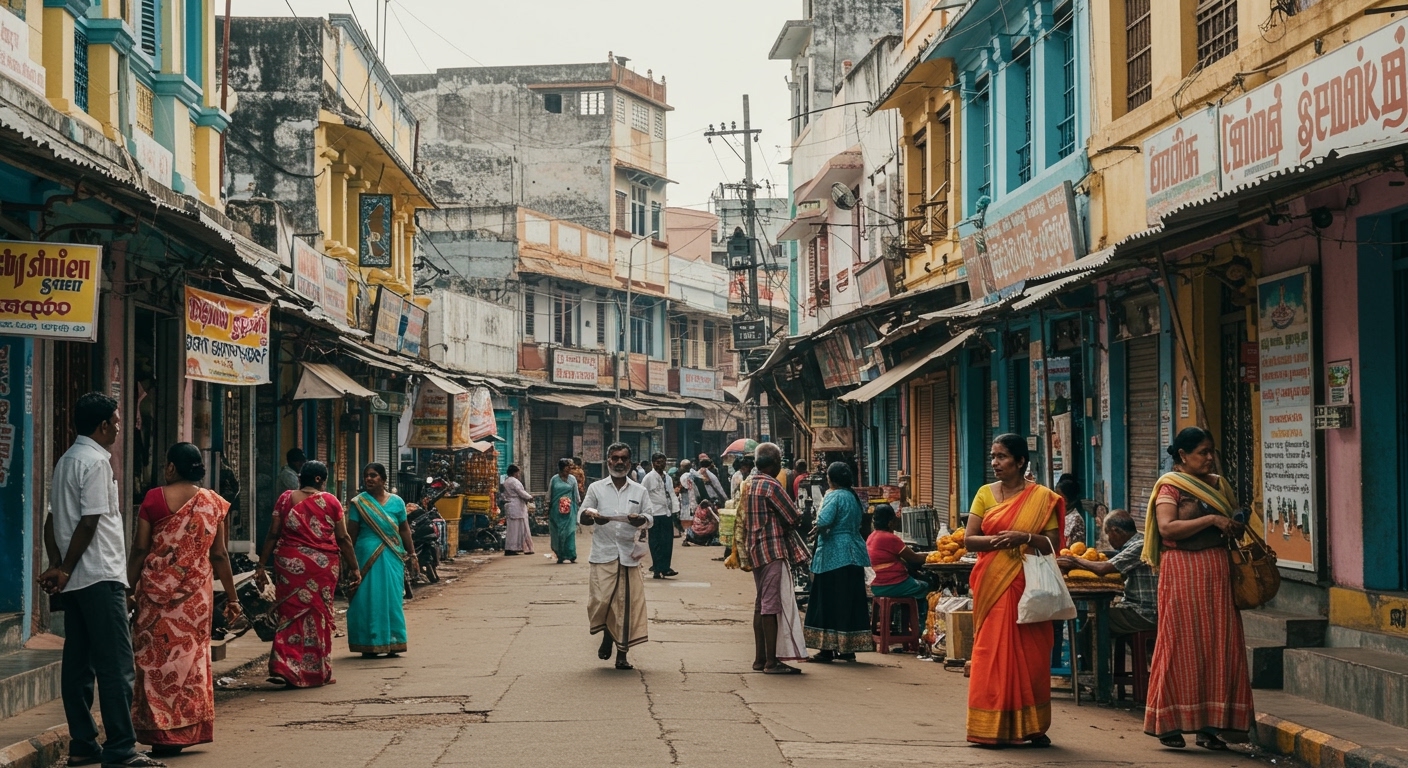
This guide breaks down the official figures, explores state-wise distributions, and delves into the trends that define the Tamil-speaking population in India. We’ll look at the data from the Census of India to provide the most accurate answer available.
Key Takeaways: Tamil Speakers in India
- Official Count: According to the 2011 Census of India, there are 69,026,881 native Tamil speakers in the country.
- Percentage of Population: This figure represents 5.70% of India’s total population at the time of the census.
- Primary State: The overwhelming majority of these speakers reside in Tamil Nadu, which is the linguistic heartland of the language.
- Official Status: Tamil is one of the 22 scheduled languages of India and was the very first language to be granted classical language status in 2004.
- Data Reliability: The 2011 Census remains the most current and comprehensive official data source, as the 2021 Census was postponed.
The Official Count: How Many Tamil Speakers in India According to the Census
The most reliable answer to how many Tamil speakers are in India comes directly from government data. According to the Census of India 2011, a total of 69,026,881 people identified Tamil as their mother tongue.
This number makes Tamil the 5th most-spoken language in India, following Hindi, Bengali, Marathi, and Telugu. As a language researcher, I’ve seen how these figures are crucial for policy-making, resource allocation, and understanding the country’s incredible linguistic diversity.
It’s important to note that this figure represents native speakers (L1, or mother tongue). The number of people who can speak Tamil as a second (L2) or third (L3) language would be even higher, though this is harder to quantify precisely on a national scale. The census primarily focuses on the mother tongue to establish a baseline for linguistic demographics.
A State-by-State Breakdown of India’s Tamil-Speaking Population
While Tamil speakers are found across India, their population is heavily concentrated in the southern part of the country. Tamil Nadu is, unsurprisingly, the epicenter, but several other states and union territories have significant Tamil-speaking communities.
Tamil Nadu: The Linguistic Heartland
In Tamil Nadu, the language is not just a medium of communication but a core part of the cultural and political identity.
- Population: Over 66 million of India’s 69 million Tamil speakers reside in Tamil Nadu.
- Dominance: Tamil is spoken by approximately 92% of the state’s total population, making it the dominant language in administration, education, and daily life.
Tamil Speakers in Other States
From my experience analyzing migration patterns, historical trade routes and modern economic opportunities have led to the establishment of vibrant Tamil communities across India. The table below highlights the states with the highest number of Tamil speakers outside of Tamil Nadu, based on the 2011 Census data.
| State / Union Territory | Number of Tamil Speakers | Percentage of State’s Population | Key Reasons for Presence |
|---|---|---|---|
| Karnataka | ~1,875,000 | ~3.07% | Proximity, historical ties, IT sector in Bengaluru |
| Puducherry | ~1,100,000 | ~88.39% | Historical and cultural integration with Tamil Nadu |
| Andhra Pradesh | ~769,000 | ~0.91% | Border regions and historical connections |
| Kerala | ~598,000 | ~1.79% | Shared border and long-standing trade relations |
| Maharashtra | ~532,000 | ~0.47% | Economic migration, particularly to Mumbai |
| Andaman & Nicobar Islands | ~62,000 | ~16.29% | Historical settlement and migration |
These numbers showcase that while Tamil Nadu is the anchor, the language’s influence extends significantly into neighboring states and key economic centers.
Analyzing the Growth Trends of Tamil Speakers in India
To understand the current numbers, it’s helpful to look at historical data. By comparing census figures over time, we can track the growth trajectory of the Tamil-speaking population in India.
- 1991 Census: There were 53,006,368 Tamil speakers.
- 2001 Census: This number grew to 60,793,814 speakers.
- 2011 Census: The figure further increased to 69,026,881 speakers.
Let’s break down the growth:
- Growth from 1991 to 2001: An increase of approximately 7.78 million speakers, representing a 14.6% decadal growth.
- Growth from 2001 to 2011: An increase of approximately 8.23 million speakers, representing a 13.5% decadal growth.
This consistent growth is primarily driven by the natural population increase within the community. It reflects a stable and thriving linguistic group that has maintained its numbers and growth rate in line with the country’s overall demographic trends.
Beyond the Mainland: The Tamil Diaspora in India and Globally
The influence of the Tamil language extends far beyond the borders of Tamil Nadu and even India. The Tamil diaspora is one of the oldest and most widespread in the world.
Global Tamil Population
While exact figures vary, estimates suggest there are over 80 million Tamil speakers worldwide. This includes the 69 million in India. Significant populations exist in:
- Sri Lanka: Home to a large and historically significant Tamil population.
- Malaysia: Tamils form a substantial part of the Indian community.
- Singapore: Tamil is one of the four official languages of the country.
- Canada: Particularly in cities like Toronto.
- South Africa, Mauritius, USA, and Europe: Have well-established Tamil communities.
This global network plays a vital role in the preservation and promotion of Tamil culture, literature, and art on an international stage.
The Official Status and Significance of the Tamil Language in India
The Tamil language holds a special and revered place within the Indian constitutional framework. Its official status is a testament to its rich history and continuous literary tradition.
Scheduled Language Status
Tamil is listed in the Eighth Schedule of the Indian Constitution. This designation grants it official recognition and encourages its development. Languages in this schedule are represented on the Official Languages Commission of India.
Classical Language Distinction
In 2004, the Government of India awarded Tamil the prestigious status of a “Classical Language.” This was a landmark decision, as Tamil was the first language in India to receive this recognition.
To be declared classical, a language must meet several strict criteria:
- High Antiquity: A recorded history spanning over 1500-2000 years.
- Original Literary Tradition: A body of ancient literature considered a valuable heritage by generations of speakers.
- Independent Origin: The literary tradition must be original and not borrowed from another speech community.
Tamil met all these criteria with ease, thanks to its ancient Sangam literature, which dates back over two millennia. This status acknowledges its profound contribution to India’s cultural and literary heritage.
Understanding the Data: How Linguistic Information is Collected
When we quote a figure like 69 million, it’s important to understand where it comes from. The process used by the Census of India is meticulous and forms the backbone of linguistic studies in the country. I’ve worked with this data for years and can attest to its comprehensiveness.









