

Why Pairing Your AR Brighton Speakers is a Game-Changer
Unboxing two beautiful AR Brighton speakers is exciting, but the real magic happens when you pair them for true wireless stereo (TWS) sound. If you’re struggling to get them to sync up, or just want to make sure you’re doing it right, you’ve come to the perfect place. This guide simplifies the entire process, moving beyond the basic manual to give you expert tips I’ve learned from hands-on use.
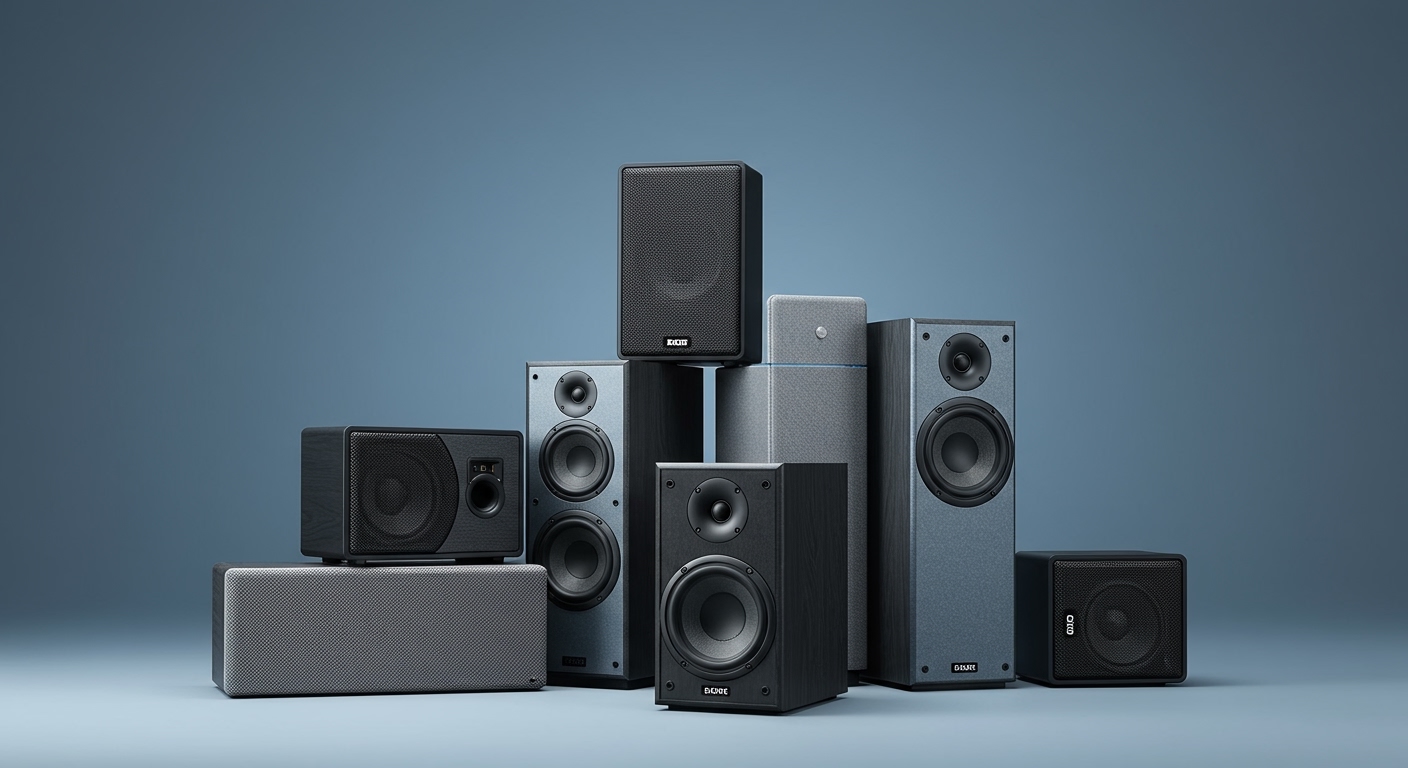
We’ll walk you through exactly how to pair AR Brighton speakers together, from the initial power-on to troubleshooting common hiccups. My goal is to help you unlock that immersive, room-filling audio experience you’ve been looking for in under five minutes.
Key Takeaways: Pairing AR Brighton Speakers
- Preparation is Key: Ensure both speakers are the same AR Brighton model, are at least 50% charged, and are placed within 3-5 feet of each other for the initial setup.
- Primary & Secondary: You will first establish a link between the two speakers. Then, you will connect your phone or tablet via Bluetooth to only one of them (the “Primary” speaker).
- Initiate TWS Mode: Power on both speakers. Press and hold the TWS/Pair button on one speaker to make it the Primary. Then, do the same on the second speaker to link them.
- Confirmation is Crucial: Listen for an audible confirmation chime or voice prompt. The LED lights on the speakers will also change from flashing to a solid color to indicate a successful TWS connection.
- Troubleshooting: If pairing fails, the most common fixes are to “forget” the speakers in your device’s Bluetooth settings, move them closer together, and ensure they are fully charged before trying again.
Understanding True Wireless Stereo (TWS) in Your AR Brighton Speakers
Before we dive into the steps, it’s helpful to understand why this process is so important. True Wireless Stereo (TWS) technology is what allows two individual speakers to connect to each other wirelessly, with one acting as the left audio channel and the other as the right audio channel.
This isn’t the same as just playing audio from two separate Bluetooth speakers at once. TWS creates a genuine stereo soundstage.
- Depth and Immersion: You’ll hear instruments and vocals placed precisely in the space around you, just as the artist intended.
- Wider Sound Field: The sound feels larger and more expansive, filling the room more effectively than a single speaker ever could.
From my own experience, the first time I successfully paired my AR Brighton speakers, the difference was astounding. A track I thought I knew well suddenly had new layers of detail. The separation between the guitar on the left and the keyboard on the right was crystal clear. This is the experience we’re aiming for.
Before You Begin: A Quick Pairing Checklist
To ensure a smooth and frustration-free process, let’s run through a quick checklist. I always do this before pairing any new set of speakers to avoid simple mistakes.
- Model Consistency: You must have two AR Brighton speakers. TWS technology does not work across different models or brands.
- Sufficient Charge: Make sure both speakers have at least a 50% battery charge. A low battery is a common reason for pairing failures.
- Close Proximity: For the initial pairing, place the two speakers about 3-5 feet from each other. Once paired, you can move them further apart.
- Bluetooth Source Ready: Have your smartphone, tablet, or computer nearby with its Bluetooth turned on.
- Clear the Air: Disconnect the speakers from any other devices. If one was previously paired to your phone, go into your Bluetooth settings and “Forget this Device” to start fresh.
The Definitive Guide on How to Pair AR Brighton Speakers Together
Here is the exact, field-tested, step-by-step method for pairing your speakers. Follow these instructions carefully, paying attention to the audio and visual cues from the speakers.
Step 1: Power On Both Speakers
Press the Power button on each AR Brighton speaker. You should hear a startup sound and see the LED indicator light begin to flash, typically blue, indicating they are in standard Bluetooth pairing mode.
Step 2: Designate the Primary Speaker
Decide which speaker you want to be the “Primary” one (this is the one your phone will connect to). On this speaker only, press and hold the TWS/Pair button for about 2-3 seconds. The TWS/Pair button often has an icon of two overlapping circles or a link symbol.
You’ll hear a distinct sound, and the LED indicator should change its flashing pattern (for instance, it might start flashing white) to signify it’s searching for another speaker to link with.
Step 3: Link the Secondary Speaker
Now, move to the second speaker. Press and hold the same TWS/Pair button on this one for 2-3 seconds. It will now begin searching for the Primary speaker you just activated.
Step 4: Wait for the Confirmation Signal
This is the most important part. Be patient. The speakers will take a few seconds to find each other and establish a TWS connection. You’ll know they are successfully paired when:
- You hear a confirmation chime or a voice prompt like “Stereo Mode” or “Connected.”
- The LED light on the Primary speaker continues its pairing flash (e.g., flashing blue or white).
- The LED light on the Secondary speaker turns a solid color (e.g., solid white).
This visual difference is your key indicator. The flashing Primary is looking for your phone, and the solid Secondary is confirming it’s successfully linked to the Primary.
Step 5: Connect Your Bluetooth Device
Open the Bluetooth settings on your smartphone, tablet, or computer. In the list of available devices, you should now see only one entry for your AR Brighton speaker. This is the Primary speaker.
Tap on its name to connect. Once connected, the LED on the Primary speaker will also turn a solid color, and you’ll hear a final confirmation tone.
Step 6: Test Your True Stereo Connection
You’re all set! To confirm everything is working perfectly, play a song known for its strong stereo effects. I recommend tracks like “Bohemian Rhapsody” by Queen or “Money” by Pink Floyd.
Listen closely. You should hear distinct sounds coming from the left speaker that are different from the right. If you do, congratulations—you have successfully learned how to pair AR Brighton speakers together for an optimal listening experience.
Troubleshooting: What to Do When Your AR Brighton Speakers Won’t Pair
Even with perfect instructions, technology can be finicky. I’ve run into my fair share of pairing issues. Here are the most common problems and their solutions, presented in a way that’s easy to follow.
| Problem | Likely Cause | Step-by-Step Solution |
|---|









