

Who Makes Lanzar Speakers? A Deep Dive into Their Quality & History
Staring at a wall of car audio brands can feel overwhelming. You see familiar names, but then a brand like Lanzar pops up, offering incredible power ratings at a surprisingly low price. This naturally leads to a crucial question: are they too good to be true, and who makes Lanzar speakers anyway? You need to know if you’re getting a hidden gem or just a cheap component that will blow out in a month.
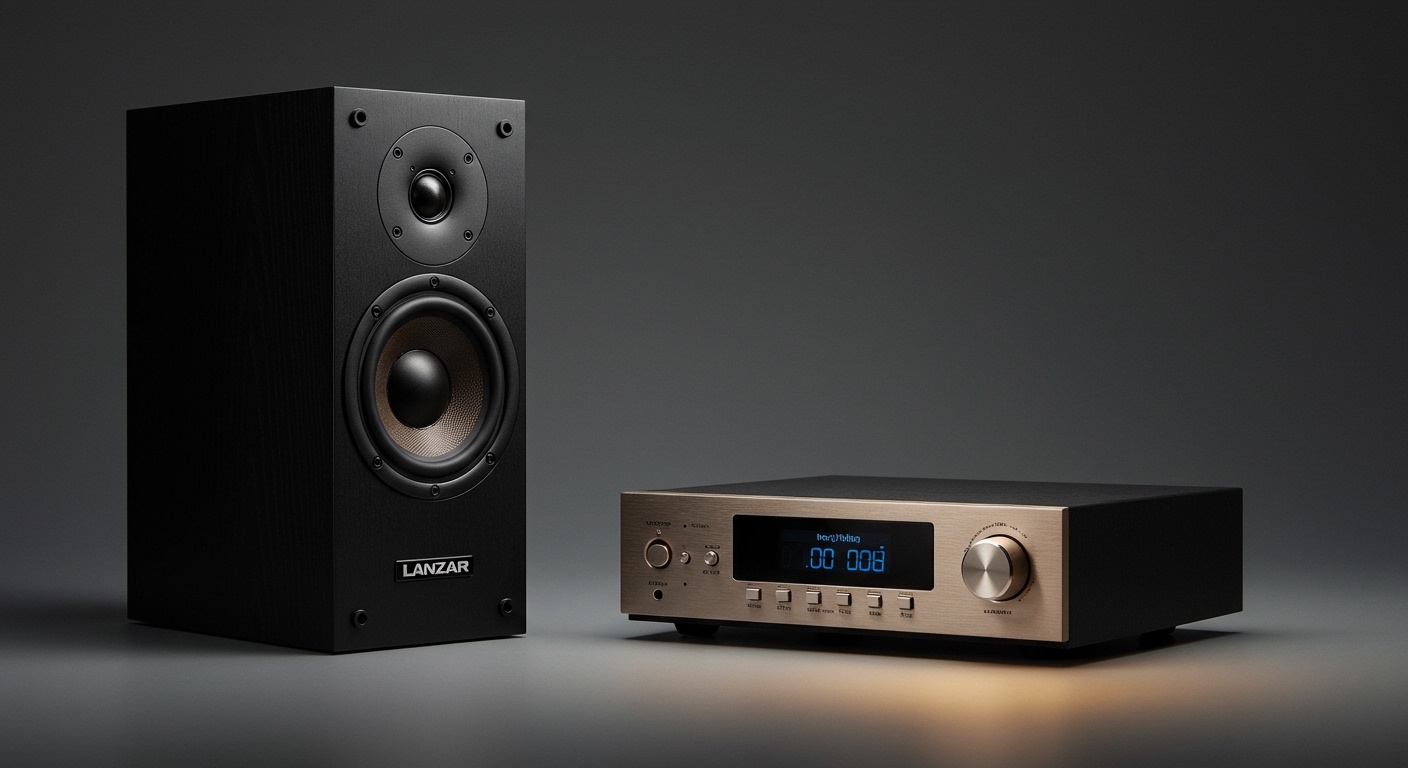
The direct answer is that Lanzar speakers are made and owned by Sound Around, Inc., a New York-based consumer electronics company. Sound Around is the parent company behind several well-known budget-friendly audio brands, including Pyle, Pyramid, and Legacy. This article will pull back the curtain on the Lanzar brand, providing an honest, experience-based assessment of their quality, a breakdown of their product lines, and a guide to help you decide if they are the right choice for your car audio system.
Key Takeaways: The Lanzar Audio Fact Sheet
- Parent Company: Sound Around, Inc., a U.S.-based company.
- Market Position: Primarily a budget-to-mid-tier brand focused on high-power output for a low cost.
- Best Known For: High-wattage subwoofers, especially their legendary OptiDrive series, which is popular in the SPL (Sound Pressure Level) competition scene.
- Ideal Customer: Car audio enthusiasts on a tight budget, beginners building their first system, and anyone who prioritizes loudness (SPL) over nuanced sound clarity (SQ).
- Expert Verdict: Lanzar speakers offer exceptional value for their price point, particularly their subwoofers. While they may not satisfy a true audiophile, they deliver impressive power and performance for budget-conscious builders.
Unpacking the Brand: Who Actually Makes Lanzar Speakers?
Understanding who is behind a brand is critical to understanding its products. The story of Lanzar isn’t just about a single factory; it’s about a strategic shift in the car audio market.
The Parent Company: Sound Around Inc.
Sound Around, Inc. is the powerhouse behind the Lanzar name. Based in Brooklyn, New York, they specialize in acquiring and marketing a wide portfolio of consumer electronics brands. Think of them as a holding company that gives brands the marketing and distribution muscle they need to reach a mass audience.
Their business model focuses on the value segment of the market. By managing brands like Pyle, Pyramid, and Lanzar under one roof, they can leverage shared manufacturing and distribution logistics to keep costs incredibly low. This is how they can offer products with such high power-handling specifications at a fraction of the cost of premium competitors.
Lanzar’s Origins: From Niche Competitor to Budget Powerhouse
What’s fascinating is that Lanzar wasn’t always a budget brand. In the 1990s and early 2000s, Lanzar, particularly with its OptiDrive line of amplifiers and subwoofers, was a respected name in the car audio competition circuit. They were known for producing robust, high-performance gear that could handle serious abuse.
After its acquisition by Sound Around, the brand’s strategy shifted. The focus moved from competing with high-end brands to dominating the entry-level market. They maintained the reputation for high power but made it accessible to everyone by streamlining designs and moving to mass-production manufacturing.
Where Are Lanzar Speakers Manufactured Today?
While Sound Around is a US-based company, the physical manufacturing of Lanzar speakers and amplifiers almost exclusively takes place in overseas factories, primarily in China. This is a standard industry practice, especially for brands focused on affordability. Outsourcing production allows them to keep labor and material costs down, passing those savings directly on to the consumer. The design, engineering specifications, and quality control guidelines, however, are still managed from their U.S. headquarters.
Are Lanzar Speakers Good? An Honest Quality Assessment
This is the million-dollar question. The answer is nuanced: “good” entirely depends on your goals and your budget. In my years of installing and testing car audio equipment, I’ve found that Lanzar occupies a very specific and useful niche.
Performance vs. Price: The Value Proposition
Lanzar’s primary strength is its incredible performance-to-price ratio. You can purchase a 12-inch Lanzar subwoofer with a 1,000-watt power rating for the same price as a 250-watt subwoofer from a premium brand.
- For Loudness (SPL): If your goal is to have loud, window-rattling bass, Lanzar is one of the best budget options available. Their subwoofers are designed with large voice coils and stiff surrounds to move a lot of air.
- For Sound Quality (SQ): If your goal is pristine, accurate, and detailed sound reproduction, Lanzar may not be the best choice. Their component and coaxial speakers can be harsh in the upper frequencies and lack the warmth and detail of more expensive audiophile brands.
Comparing Lanzar to a Premium Competitor
To put it in perspective, let’s look at a technical comparison between a typical Lanzar budget subwoofer and a comparable model from a well-regarded brand like JL Audio.
| Feature | Lanzar MAXP124D | JL Audio 12W0V3-4 | Expert Interpretation |
|---|---|---|---|
| RMS Power | 800 Watts | 300 Watts | Lanzar is built for raw power, while JL focuses on efficiency and control. |
| Sensitivity (1W/1m) | 89 dB | 85.6 dB | Lanzar is more sensitive, meaning it gets louder with less power, a plus for budget amps. |
| Cone Material | Non-Pressed Paper | Mineral-Filled Polypropylene | Paper is cheap and light (good for SPL), while Polypropylene is more durable and better for SQ. |
| Approx. Price | ~$50 – $70 | ~$150 – $180 | The price difference is massive, highlighting Lanzar’s value-first approach. |
As you can see, the specifications tell a story. Lanzar prioritizes high power handling and sensitivity at the lowest possible cost, while premium brands invest more in materials and engineering for better sound quality and longevity.
A Step-by-Step Guide to Choosing the Right Lanzar Speaker
If you’ve decided that Lanzar’s value proposition fits your needs, here’s how to build a system that maximizes its potential.
Step 1: Define Your Audio Goals (SQ vs. SPL)
First, be honest about what you want.
- Are you building an SPL system? You want it to be as loud as possible. Your focus should be on Lanzar’s subwoofer lines like MAX PRO or OptiDrive.
- Are you building a daily driver system? You want a balanced sound for listening to music. You’ll want to pair a modest Lanzar subwoofer with their Vibe or Heritage series coaxial or component speakers.
Step 2: Match Components to Your Vehicle and Power Source
Before you buy, check your vehicle’s specifications.
- Measure Your Speaker Locations: Find out what sizes your car uses (e.g., 6.5″ rounds in the doors, 6×9″ ovals in the rear deck).
- Assess Your Power: Are you using a factory head unit or an aftermarket amplifier?
* Factory Head Unit: Look for Lanzar speakers with high sensitivity (90 dB or higher). They will play louder with the low power from a stock stereo.
* Aftermarket Amplifier: This is where Lanzar shines. You can buy their high-power handling speakers and subwoofers and give them the wattage they crave.
Step 3: Understand Power Handling (RMS is King)
This is the most critical step. Speaker manufacturers advertise Peak Power, which









