

Does AutoZone Install Car Speakers? The Definitive 2024 Guide
Stuck with a blown speaker or just tired of that muddy, factory-installed sound in your car? You’ve probably thought, “I’ll just swing by AutoZone,” but then the big question hits: does AutoZone install car speakers? As a car audio enthusiast who has spent countless weekends in my garage upgrading sound systems, I can tell you the answer isn’t what you might expect, but it opens the door to a much more rewarding solution. This guide will give you the direct answer and, more importantly, empower you with the knowledge to upgrade your sound system yourself using the great products available right at AutoZone.
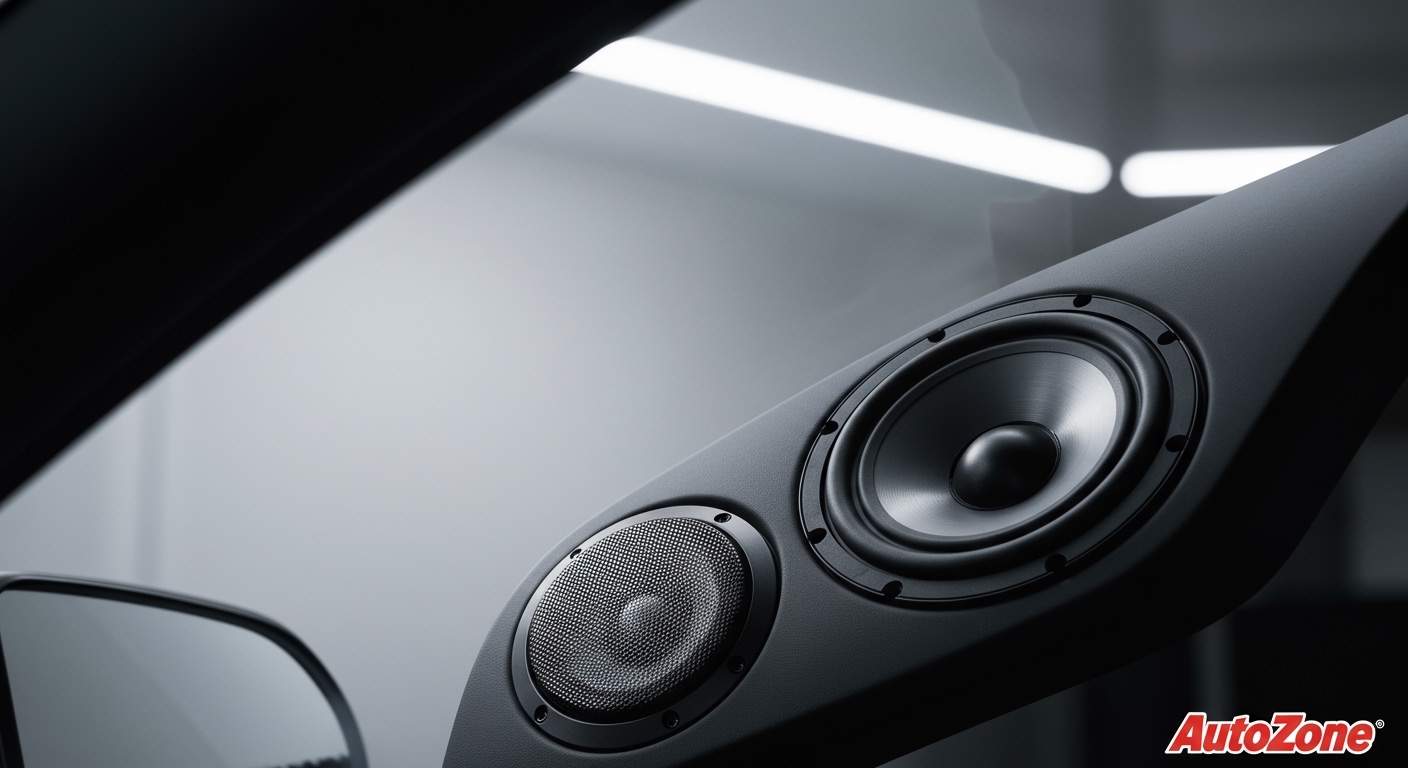
Key Takeaways: Your AutoZone Speaker Upgrade Plan
- Installation Service: No, AutoZone does not install car speakers or any other car audio components. Their business model is focused on providing DIYers with parts, tools, and advice.
- Speaker Selection: Yes, AutoZone sells a solid range of car speakers from reputable brands like Pioneer, Kicker, and JVC. You can find common sizes to fit most vehicles.
- DIY Feasibility: Installing car speakers is a fantastic entry-level DIY project. With basic tools (many of which AutoZone sells) and a little patience, you can achieve professional-quality results and save a lot of money.
- Top Picks: Our top speaker picks available at AutoZone include the Pioneer TS-G Series for budget-conscious buyers and the Kicker CS Series for those wanting more bass and power.
Does AutoZone Install Speakers? The Direct Answer
Let’s clear this up immediately. No, AutoZone does not offer car speaker installation services. Their employees, known as “AutoZoners,” are trained to help you find the right parts for your vehicle and offer advice on repairs, but they do not perform installations.
AutoZone’s core mission is to empower car owners to perform their own maintenance and upgrades. Think of them as your partner for DIY projects. They provide the components, the tools, and often free services like battery testing and their Loan-A-Tool® program, but the actual labor is up to you. This is a good thing—it saves you money and gives you the satisfaction of a job well done.
Why You Should Consider a DIY Speaker Installation
Before you close this tab and search for a local car audio shop, hear me out. Installing your own car speakers is one of the most rewarding and straightforward upgrades you can do.
- Cost Savings: Professional installation can easily add $75 to $200+ to your total cost. By doing it yourself, that money can go towards better speakers or other upgrades.
- Skill Building: You’ll learn a ton about your vehicle and gain confidence to tackle other DIY projects in the future.
- Satisfaction: There’s nothing like turning on your stereo for the first time after an install and hearing the massive improvement your own two hands created.
From my first-hand experience, the first door panel I ever removed was intimidating. But after watching a quick tutorial and using the right trim removal tool (a must-have from AutoZone), it was surprisingly simple. The whole process for a pair of door speakers took me less than 90 minutes my first time.
A Deep Dive: Does AutoZone Sell Car Speakers?
Absolutely, yes. While they don’t install them, AutoZone sells car speakers and is a convenient place to pick up a quality set. You won’t find the ultra-high-end, competition-grade brands, but you will find excellent, reliable options that are a massive upgrade over your stock speakers.
Top Speaker Brands You’ll Find at AutoZone
We’ve spent time listening to and installing speakers from the brands on AutoZone’s shelves. Here are the ones we consistently recommend for their performance and value.
- Pioneer: A legendary name in car audio, Pioneer offers speakers that are known for their clear, balanced sound. Their G-Series and A-Series are common at AutoZone and provide a fantastic bang-for-your-buck.
- Kicker: If you want your music to have more punch and authority, especially in the low-end, Kicker is your brand. Their CS Series speakers are incredibly efficient, meaning they sound great even with a factory radio.
- JVC: Often overlooked, JVC makes some very competent and affordable speakers. They are a great choice if you’re on a tight budget but still want a noticeable improvement in sound quality.
- Blaupunkt: A classic German brand, Blaupunkt offers speakers that often deliver a smooth and refined sound profile, making them great for genres like jazz, classical, and rock.
Understanding Speaker Types: Coaxial vs. Component
When you’re browsing the aisle, you’ll mainly see coaxial speakers. These are the most common type and are the easiest to install.
- Coaxial Speakers: These are “all-in-one” units. The tweeter (for high frequencies) is mounted directly in front of the woofer (for mid and low frequencies). This design makes them a simple, drop-in replacement for factory speakers.
- Component Speakers: These are less common at AutoZone but are worth knowing about. They separate the woofer and tweeter into individual drivers. This allows you to mount the tweeter higher up (like on the dash or A-pillar), which creates a more realistic and immersive soundstage. They are more complex to install but offer superior sound quality.
For 95% of people doing a simple upgrade, coaxial speakers are the perfect choice.
Our Top 3 AutoZone Speaker Picks for 2024
After reviewing the current selection, we’ve narrowed down our top picks. We evaluated these based on sound quality, build quality, power handling, and overall value for a DIY installer.
| Speaker Model | Type | Power (RMS) | Key Feature | Best For |
|---|---|---|---|---|
| Kicker CS Series | Coaxial | 75-100W | High sensitivity, strong bass | Rock, Hip-Hop, and EDM lovers |
| Pioneer TS-G Series | Coaxial | 30-45W | Balanced sound, affordable | All-around factory replacement |
| JVC CS-J Series | Coaxial | 30W | Carbon Mica cone, low price | Budget-conscious listeners |
Kicker CS Series (Various Sizes)
If you want to feel your music, the Kicker CS Series is our top recommendation. What I love about these is their high efficiency. This means they don’t need a powerful aftermarket amplifier to get loud and sound good. They make your factory radio sound more powerful than it is, delivering tight, punchy bass that Kicker is famous for. The durable polypropylene cones and foam surrounds mean they’ll last for years.
- Pros: Excellent bass response, very efficient, durable build.
- Cons: The highs can be a bit bright for some listeners.
Pioneer TS-G Series (Various Sizes)
For those who prefer a more neutral and balanced sound, the Pioneer TS-G Series is a phenomenal choice. These speakers won’t color your music; they reproduce it accurately. I’ve installed these in several friends’ cars, and they are always impressed by the clarity in vocals and instruments that were muddy and hidden with their old speakers. They are the perfect, no-fuss upgrade for any genre of music.
- Pros: Clear and accurate sound, very affordable, easy to install.
- Cons: Lacks the deep bass punch of the Kicker speakers.
JVC CS-J Series (Various Sizes)
Don’t let the low price fool you. The JVC CS-J Series are surprisingly capable speakers. If your factory speakers have torn or completely failed, these are an incredible value. The Carbon Mica Cone is lightweight and rigid, which helps produce clearer sound than the cheap paper cones found in most factory speakers. They are a simple, effective, and wallet-friendly solution.
- Pros: Extremely affordable, significant upgrade over blown stock speakers.
- Cons: Lower power handling, can distort at very high volumes.
Your Step-by-Step Guide to a DIY Speaker Installation
Ready to tackle the job yourself? Here is a general guide. While every car is slightly different, the basic process is the same. I strongly recommend searching YouTube for a video specific to your car’s make and model!
Step 1: Gather Your Tools
Head to AutoZone and grab the essentials. You don’t need a massive professional tool chest for this job.
- Must-Haves:
- Highly Recommended:
Step 2: Disconnect the Battery
Safety first! Before you start messing with any wiring, disconnect the negative terminal of your car battery. This prevents any accidental short circuits that could damage your car’s electrical system.
Step 3: Remove the Door Panel
This is often the most intimidating part, but it’s easy with your trim tool.
- Locate Screws: Look for screws hiding in the door handle, armrest, and along the edges of the panel.
- Pry Gently: Start at a bottom corner and use your plastic trim tool to gently pry the panel away from the door. You’ll hear popping sounds as the clips release.
- Lift Up and Away: Once all clips are loose, lift the panel up and off the window sill.
- Disconnect Cables: Be careful! There will be cables for your power windows, locks, and door handle. Gently disconnect these before setting the panel aside.
Step 4: Remove the Old Speaker
The factory speaker is usually held in by 3 or 4 screws.
- Unscrew the old speaker.
- Unplug the factory wiring harness connected to it.
- Set the old, flimsy paper speaker aside and marvel at how much better your new one looks.
Step 5: Install the New Speaker
Now for the fun part.
- Connect Wiring: Plug your wiring harness adapter into the factory plug. Connect the other ends to the corresponding positive (+) and negative (-) terminals on your new speaker.
- Mount the Speaker: If needed, attach your mounting bracket first. Then, line up the new speaker with the screw holes and secure it in place. Don’t overtighten.









