

Are Lower Fairing Speakers Worth It for Your Motorcycle Setup?
So, are lower fairing speakers worth it? The short answer is an absolute yes, provided you frequently ride at highway speeds and want a full, immersive soundstage that cuts through aggressive wind noise. Adding speakers to your lower fairings fundamentally changes how you experience motorcycle audio by filling in the crucial mid-bass frequencies that upper fairing speakers naturally lose to the wind.
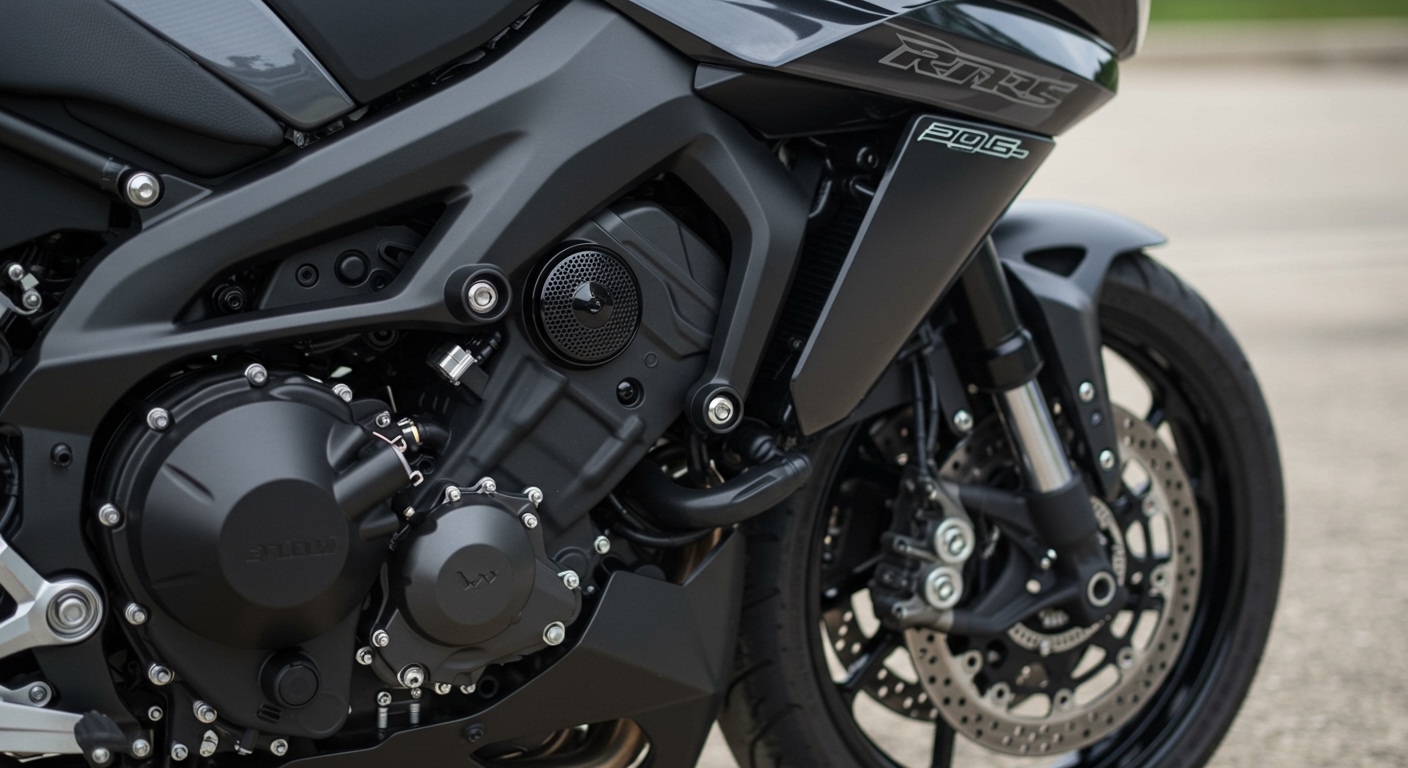
If you spend your weekends cruising at 70+ mph on the interstate, standard two-speaker setups simply cannot push enough volume to overcome the roar of your exhaust and the drag of the wind. Upgrading your lower fairings effectively doubles your frontal acoustic output. However, if you only ride around town at low speeds, the investment might not yield a noticeable enough return to justify the cost.
TL;DR / Key Takeaways
- Instant Volume Boost: Lower fairing speakers push sound directly toward the rider’s core, significantly increasing perceived volume.
- Improved Soundstage: They create a “wall of sound” effect by anchoring the mid-bass frequencies below your upper fairing speakers.
- Highway Capable: Essential for riders who want clear, distortion-free music at speeds over 65 mph.
- Requires Amplification: You cannot run lower fairing speakers effectively on a stock head unit; a dedicated motorcycle amplifier is mandatory.
- Weather Vulnerability: Because of their location closer to the road, you must invest in high-quality marine-grade (IP65+) speakers.
The Science of Sound: Why Are Lower Fairing Speakers Worth It?
To truly understand if are lower fairing speakers worth it, we have to look at motorcycle acoustics. When you ride a Harley-Davidson or Indian touring motorcycle, the sound from your upper fairing speakers travels toward your face. However, wind resistance immediately begins tearing those soundwaves apart.
By the time the sound reaches your ears at 80 mph, the heavier low-frequency waves (bass and mid-bass) have been completely washed out. This leaves you listening to shrill, high-pitched treble that causes ear fatigue. Lower fairing speakers solve this acoustic nightmare.
Because lower fairings are positioned closer to your legs and angled slightly upward, they use the natural shape of the motorcycle to trap sound. They act as an acoustic anchor. When paired with upper fairing speakers, they create a comprehensive, 360-degree soundstage that envelops the rider rather than just blowing past them.
Step-by-Step: How to Decide if Lower Fairing Speakers Are Worth It for You
Upgrading your audio system is a significant financial and time investment. Follow this step-by-step evaluation to determine if adding lower speakers is the right move for your specific motorcycle.
Step 1: Evaluate Your Highway Riding Frequency
Look at your odometer and your typical riding habits. If more than 40% of your riding is done on highways or interstates, lower fairings are an incredible upgrade. The ambient noise level on a motorcycle at highway speeds is roughly 100 to 115 decibels. You need the extra cone surface area of lower speakers to compete with that level of extreme wind interference.
Step 2: Assess Your Current Amplifier Capacity
Adding two more speakers means you need more power. Check your current motorcycle amplifier. Is it a 2-channel or a 4-channel amp? If you only have a 2-channel amp powering your upper fairings, you will need to upgrade to a 4-channel system to push the lowers. Underpowering your speakers is the number one cause of audio distortion and blown voice coils.
Step 3: Determine Your Budget for Marine-Grade Audio
Because lower fairings sit mere inches from the pavement, they take a beating. They will be hit by rain, road debris, dust, and mud. You cannot use standard car audio speakers here. You must budget for marine-grade, weather-resistant speakers (look for an IP65 or higher rating), which typically cost between $250 and $600 for a quality set.
Step 4: Check for Physical Clearance and Airflow Needs
If you ride a liquid-cooled touring bike, ensure that your lower fairings have the proper speaker pod adapters that do not block the radiators. For Harley-Davidson Twin-Cooled models, you must purchase specific lower fairing speaker pods that accommodate the coolant reservoirs while still holding a 6.5-inch speaker.
Speaker Placement Comparison: Upper vs. Lower vs. Saddlebag
To help you visualize the value, here is how lower fairing speakers stack up against other common motorcycle audio placements.
| Speaker Location | Primary Sound Frequencies | Highway Wind Interference | Cost to Upgrade | Best Use Case |
|---|---|---|---|---|
| Upper Fairing | Highs & Mids (Vocals/Guitars) | High (Washes out easily) | Low to Medium | Essential baseline for all touring bikes. |
| Lower Fairing | Mid-Bass (Punchy drums) | Low (Protected by leg shields) | Medium to High | Best for highway riders needing volume. |
| Saddlebag Lids | Mids & Highs (Rear fill) | Extreme (Sound blows backward) | Very High | Best for parking lot flexing and passengers. |
My Real-World Experience: Testing Lower Fairing Speakers at 80 MPH
In my years of designing and tuning custom motorcycle audio systems, the most common complaint I hear is, “I can’t hear my music once I hit fifth gear.” I recently tested this exact scenario on a 2021 Harley-Davidson Street Glide. We started with just premium upper fairing speakers powered by a 400-watt Rockford Fosgate amplifier.
At 50 mph, the sound was incredibly crisp. But as soon as we crossed 75 mph, the bass disappeared entirely, and the music sounded thin and tinny. The exhaust drone completely overpowered the lower frequencies.
We then installed a set of Hertz SPL Show 6.5-inch speakers into the lower fairings, wired to a secondary amplifier. The difference was night and day. Even at 85 mph, the drum kicks were punchy, and the vocals were rich. The lowers filled the void that the wind created, proving that if you want true touring audio, lower fairings are non-negotiable.
Step-by-Step Guide: How to Choose the Right Lower Fairing Speakers
If you have decided that lower fairings are worth the investment, you need to choose the right hardware. Not all speakers perform well in the lower aerodynamic pockets of a motorcycle.
Step 1: Choose Between Coaxial and Component Speakers
For lower fairings, always choose coaxial speakers (where the tweeter is built into the center of the woofer). Component speakers (separate tweeter and woofer) are great for upper fairings to raise the soundstage, but placing separate tweeters down by your ankles is a waste of money. High frequencies are directional, and your legs will block them.
Step 2: Maximize Your Speaker Size
Do not settle for 5.25-inch speakers. The standard for modern motorcycle lower fairings is 6.5 inches, but if you have custom pods, you can often fit 8-inch mid-bass drivers. The larger the speaker cone, the more air it can push, resulting in a deeper, more aggressive punch that cuts through the wind.
Step 3: Match the RMS Power to Your Amplifier
Ignore the “Peak Wattage” printed on the flashy box. Look strictly at the RMS Wattage (Continuous Power). If your lower fairing speakers are rated for 150 watts RMS at 4 ohms, your amplifier needs to deliver exactly that, or slightly more. Sending too little power to a heavy-duty speaker will cause the amp to “clip,” sending a distorted square wave that will fry your speakers.
Step 4: Verify Neodymium Magnets
Motorcycles have strict weight limits and limited physical space inside the fairing pods. Ensure the speakers you choose utilize Neodymium magnets rather than traditional Ferrite magnets. Neodymium is incredibly lightweight and compact, yet provides a much stronger magnetic field for higher volume output.
Step-by-Step: Basic Lower Fairing Speaker Installation Tips
Installing these speakers requires patience and a good understanding of 12-volt electronics. Here is a high-level walkthrough to ensure a successful









