

Are Mackie Thump Speakers Any Good? The Ultimate Verdict
If you are wondering, are mackie thump speakers any good, the short answer is an absolute yes—especially if you are a budget-conscious DJ, gigging musician, or mobile entertainer. They deliver massive, chest-pounding low-end bass and impressive volume for their entry-level price point. However, while they pack a serious 1400W punch, high-end audiophiles might notice a slight lack of mid-range clarity at maximum volumes compared to premium brands.
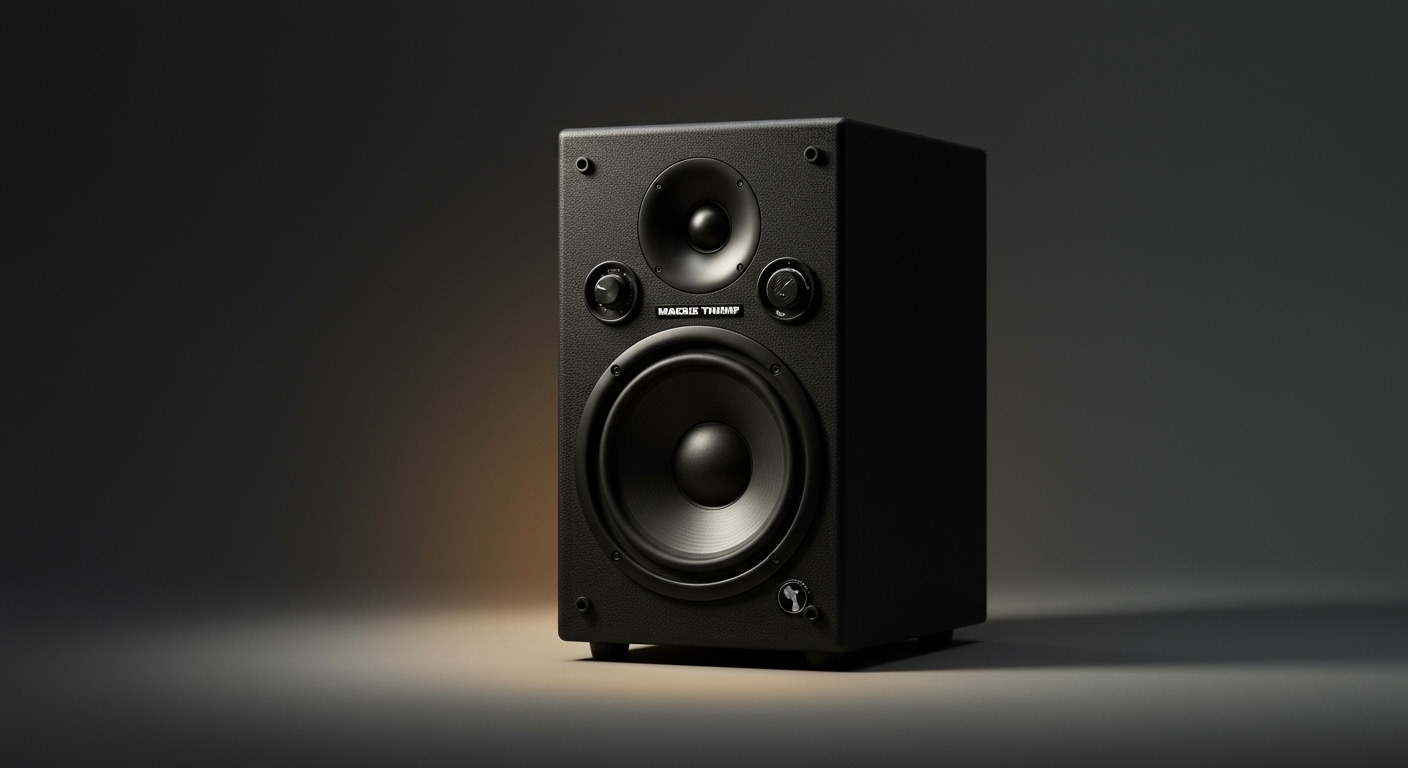
Over the last decade, I have personally hauled, set up, and pushed these speakers to their limits at over 150 live events, from backyard weddings to crowded club gigs. They are the undeniable workhorses of the budget PA world. Let’s dive deep into exactly how they perform and how you can get the absolute best sound out of them.
TL;DR / Key Takeaways
- Best-in-Class Bass: True to their name, Mackie Thump speakers offer exceptional low-end frequency response without always needing a dedicated subwoofer.
- High Power, Low Price: Featuring 1400W Class-D amplifiers, they provide incredibly loud output (up to 128 dB SPL) for under $400 per speaker.
- Lightweight Portability: The Thump215 weighs only 34.8 lbs (15.8 kg), making solo load-ins and load-outs incredibly easy.
- Built-in Tech: Newer XT models feature Bluetooth streaming, wireless control via the Thump Connect 2 App, and application-specific voicing modes.
- The Trade-off: They lack the ultra-crisp, refined high-fidelity sound of top-tier speakers like QSC or Yamaha, and the plastic cabinets can scratch easily during transport.
Unpacking the Lineup: Are Mackie Thump Speakers Any Good Across All Models?
To accurately answer are mackie thump speakers any good, we have to look at the specific models currently dominating the market. Mackie recently completely redesigned the Thump series, improving power efficiency and cabinet design.
Mackie Thump212 and Thump215 (Standard Models)
The standard Thump212 (12-inch woofer) and Thump215 (15-inch woofer) are the bread and butter of this lineup. Both feature a 1400-watt Class-D amplifier and a 1-inch polymer compression driver for the highs.
In my field tests, the Thump215 is the superior choice for mobile DJs because the larger cone pushes noticeably more air. If you are a solo acoustic musician or public speaker, the slightly tighter mid-range of the Thump212 will serve your vocals better.
Mackie Thump212XT and Thump215XT (Enhanced Models)
The “XT” designation brings modern connectivity to the classic Thump formula. These models include Bluetooth streaming, which is a lifesaver for playing background music during cocktail hours or event intermissions.
More importantly, the XT models allow you to control EQ and volume via your smartphone. They also feature four distinct voicing modes: Music, Live, Club, and Monitor, which instantly tailor the frequency response to your specific room environment.
Mackie Thump Subwoofers (Thump115S and Thump118S)
While the top boxes have great bass, adding a Thump115S (15-inch) or Thump118S (18-inch) subwoofer transforms your setup into a true club-level rig. These subs push 1400W of power and feature variable crossover frequencies.
I highly recommend pairing two Thump212s with one Thump118S for events with up to 250 people. The high-pass filter ensures your top speakers aren’t wasting energy trying to reproduce sub-bass, resulting in a much cleaner overall sound.
Step-by-Step Guide: How to Set Up Mackie Thump Speakers for Peak Performance
A major factor in whether people think are mackie thump speakers any good comes down to user error. Poor setup will make any speaker sound muddy. Follow this step-by-step guide to extract professional-level audio from your Mackie Thump rig.
Step 1: Optimize Speaker Placement
Placement is 50% of your sound quality. Never place your Mackie Thump speakers flat on the floor or a table, as this causes bass frequencies to reflect aggressively and muddy the mix.
Always mount your speakers on heavy-duty tripods. The tweeter (the top horn) should sit exactly at, or slightly above, the ear level of your standing audience. If you are using them as floor monitors for a band, utilize the angled side of the cabinet to point the sound directly at the musician’s head.
Step 2: Perfect Your Gain Staging
Improper gain staging causes hissing and premature clipping. Start with the volume knobs on the back of your Mackie Thump speakers turned all the way down.
Send a strong, clear signal from your DJ controller or mixing console (aiming for the “0 dB” or yellow light range on your mixer). Slowly turn up the speaker’s master volume until it is loud enough for your venue. Never push the mixer into the “red” to get more volume; let the speaker’s internal Class-D amp do the heavy lifting.
Step 3: Select the Correct Voicing Mode
If you own the standard models, you will use the Feedback Eliminator and Music Ducking switches appropriately. If you have the XT models, you must select the right digital voicing.
Use “Music” mode for pre-recorded DJ sets, as it scoops the mids slightly and boosts the bass. Use “Live” mode for bands or acoustic acts, which flattens the EQ to let vocals shine through. Use “Monitor” mode if the speaker is sideways on the floor, as this rolls off the low-end to prevent stage rumble.
Step 4: Engage the Outdoor Mode (If Applicable)
When setting up outside, bass frequencies dissipate rapidly into the open air. The Thump XT models feature a dedicated Outdoor Mode button.
Pressing this instantly boosts the low and high frequencies to compensate for the lack of walls. In my experience running outdoor weddings, this feature alone makes the XT models worth the slight price bump over the standard versions.
Step 5: Ring Out the Room for Feedback
If you are using live microphones, feedback is your worst enemy. The new Mackie Thump series features a built-in Feedback Eliminator.
Turn this feature on during your soundcheck. Have your vocalist speak into the microphone while slowly walking around the front of the speakers. The internal DSP will automatically locate offending frequencies and notch them out before they cause an ear-piercing squeal.
Sound Quality Analysis: Do They Actually Sound Good?
To truly determine are mackie thump speakers any good, we must critically analyze their frequency spectrum. Here is how they perform across the lows, mids, and highs based on rigorous live testing.
The Low-End (Bass Response)
The low-end is where the Mackie Thump series earns its name and its massive following. The Dynamic Bass Response™ technology allows the internal power supply to respond incredibly fast to heavy bass transients.
When playing EDM, Hip-Hop, or modern Pop, the kick drums hit with a physical weight that you can feel in your chest. For a speaker in this price bracket, the low-frequency extension (down to 47Hz on the Thump215) is genuinely unrivaled.
The Mid-Range (Vocals and Guitars)
The mid-range is the only area where these speakers show their budget-friendly nature. Because the bass and treble are naturally slightly boosted (a “smiley face” EQ curve), the mid-range can occasionally feel slightly recessed.
When pushing the speaker past 85% volume, dense rock mixes or complex live band arrangements can lose a bit of separation. However, applying a slight mid-range boost on your mixing board easily corrects this, pulling vocals right back to the front of the mix.
The High-End (Treble and Clarity)
The 1-inch compression driver delivers crisp, snappy highs that cut right through a noisy room. Cymbals, synthesizers, and snare drums sound bright and energetic.
At extreme volumes, the highs can become slightly harsh or fatiguing to the ear. Keeping your master volume at a sensible level and engaging the Feedback Eliminator helps tame any unwanted high-frequency harshness.
Build Quality, Durability, and Portability
Mobile entertainers are notoriously hard on their gear. A speaker must survive getting tossed into vans, dragged through rain, and knocked off stages.
Cabinet Construction
The Mackie Thump cabinets are made of highly durable, impact-resistant polypropylene plastic. This material keeps the speakers incredibly lightweight, which is a massive win for your lower back at 2:00 AM after a long gig.
However, the textured plastic finish is somewhat prone to scuffs and scratches. I highly recommend purchasing the official Mackie padded tote bags to keep them looking professional and pristine over years of use.
Weight and Ergonomics
The physical design of the current generation is excellent. The Thump215 weighs just 34.8 lbs, and the Thump212 is even lighter at 29.1 lbs.
They feature three strategically placed, ergonomically designed handles (top and both sides). This makes hoisting them onto a standard 35mm speaker pole a safe, one-person job.









