

Are Neodymium Speakers Better? The Short Answer
If you are wondering are neodymium speakers better, the answer depends entirely on your need for portability versus your budget. Neodymium magnets generate a significantly stronger magnetic field than traditional ceramic magnets, allowing them to deliver the same volume and power handling at a fraction of the weight.
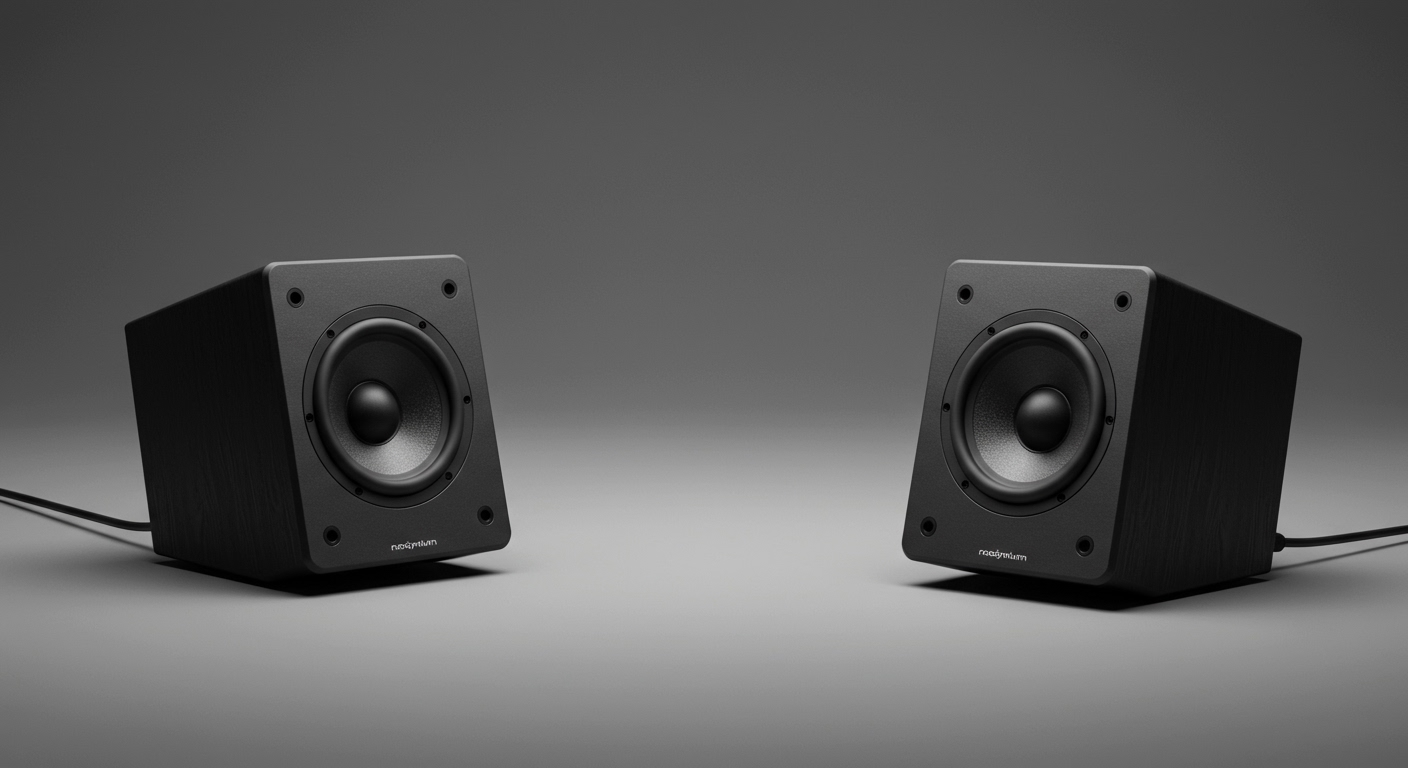
However, they do not inherently sound “better” than standard speakers; sound quality is subjective and relies heavily on the speaker’s overall design. If you are a gigging musician tired of carrying a heavy amplifier, or a car audio enthusiast worried about door panel weight, neodymium is undeniably the superior choice.
For audiophiles in a fixed home studio where weight is irrelevant, traditional ferrite or alnico speakers often provide identical performance at a lower cost. Ultimately, upgrading to a neodymium speaker is an investment in physical convenience and extreme efficiency.
TL;DR / Key Takeaways
- Weight Reduction: Neodymium speakers weigh up to 50% to 70% less than traditional ceramic or ferrite speakers of the same wattage.
- Magnetic Efficiency: Neodymium produces a vastly superior magnetic flux density, meaning a tiny magnet does the work of a massive one.
- Sound Quality: Modern neodymium designs sound virtually identical to classic ceramic speakers, offering tight bass and fast transient responses.
- Heat Sensitivity: Older neodymium magnets suffered from low Curie temperatures (overheating), but modern engineering has solved this for heavy-duty applications.
- Primary Benefit: They are absolute game-changers for touring musicians, mobile DJs, and car audio systems where reducing weight is critical.
Understanding the Magnets: Why Are Neodymium Speakers Better for Weight?
To understand if are neodymium speakers better for your specific setup, we must first look at the physics of speaker magnets. Every loudspeaker relies on a magnet interacting with a voice coil to move the speaker cone and push air. The stronger the magnet, the more efficiently it can control the speaker cone.
Traditional speakers use ferrite (ceramic) magnets, which are cheap and highly resistant to heat but incredibly heavy. To get a high power output, you need a massive block of ferrite. This is why standard bass guitar cabinets and PA subwoofers often require two people to lift.
Neodymium (NdFeB) is a rare-earth metal that creates the strongest permanent magnets commercially available. Because of this extreme magnetic density, speaker manufacturers can use a tiny, lightweight neodymium magnet to achieve the exact same magnetic flux as a giant ceramic magnet. This drastically reduces the overall weight of the speaker basket without sacrificing a single decibel of volume.
The Science of Power Efficiency
Because the magnetic field in a neodymium speaker is so concentrated, the speaker reacts incredibly fast to audio signals. This is known as a transient response. When a drummer hits a snare, or a bassist slaps a string, the speaker cone must snap forward and pull back instantly.
The intense magnetic field provided by neodymium allows the voice coil to start and stop with pinpoint precision. This results in a very tight, punchy, and articulate sound profile. For high-fidelity audio and fast-paced music, this rapid response makes neodymium a top-tier choice for professional audio engineers.
Sound Quality: Are Neodymium Speakers Better Sounding Than Ceramic?
One of the most common questions audio enthusiasts ask is whether the weight savings come at the cost of tone. In the early days of neodymium technology, critics often described their sound as “sterile,” “harsh,” or lacking the warmth of traditional alnico magnets.
However, modern engineering has completely bridged this gap. Companies like Celestion and Eminence have spent years mapping the exact magnetic fields of vintage ceramic speakers. They now design neodymium speakers that mimic the exact “sag” and warmth of classic heavy magnets.
The Tone Debate: Warmth vs. Precision
If you sit in a perfectly treated acoustic room and A/B test a ceramic speaker against its exact neodymium counterpart, you might notice a microscopic difference. Ceramic speakers sometimes have a slightly smoother midrange compression when pushed to high volumes. Neodymium speakers, conversely, tend to retain their clarity and headroom even when pushed hard.
For most listeners, the difference is negligible. In a live band mix, a crowded club, or a moving vehicle, it is physically impossible to hear the difference between a neodymium driver and a ceramic driver. The primary difference you will feel is in your lower back when you lift the cabinet.
Step-by-Step Guide: How to Choose the Right Speaker Magnet
If you are currently debating an upgrade, you need a systematic approach to decide if are neodymium speakers better for your specific rig. Follow this step-by-step evaluation process before spending your money.
Step 1: Assess Your Portability Needs
The very first metric to look at is how often you move your equipment. If your speaker cabinet sits in a bedroom or a dedicated home theater and never moves, paying a premium for a lightweight magnet is unnecessary.
However, if you are a gigging bassist lugging an 8×10 cabinet up flights of stairs, weight reduction is a matter of physical health. Weigh your current speaker cabinet. If swapping to neodymium drivers can shave 20 to 30 pounds off your load, the upgrade is highly recommended.
Step 2: Evaluate Your Power and Volume Requirements
Check the RMS wattage rating of your amplifier. You need to ensure the speaker you buy can handle the power your amp outputs. Neodymium speakers are highly efficient, meaning they often produce a higher SPL (Sound Pressure Level) per watt than cheaper ceramic speakers.
If you are using a low-wattage amplifier but need to cut through a loud band mix, a highly efficient neodymium speaker can actually make your small amp sound noticeably louder. Look at the speaker’s sensitivity rating (measured in decibels)—a rating of 100dB or higher is excellent.
Step 3: Check Your Budget Limitations
Because neodymium is a rare-earth metal largely mined overseas, it is subject to global market fluctuations. Consequently, neodymium speakers are almost always more expensive than ferrite alternatives.
You must decide if the weight savings justify the price hike. A standard ceramic 12-inch guitar speaker might cost $100, while the exact same tone in a neodymium version could cost $170. Factor this into your overall upgrade budget, especially if you are outfitting a 4×12 cabinet that requires four separate speakers.
Step 4: Consider the Acoustic Environment
Finally, think about where the speaker will be installed. In car audio systems, heavy magnets can strain door hinges and require complex mounting baffles. Neodymium shallow-mount speakers easily fit into tight door panels without dragging the door down.
In contrast, if you are building a massive DIY subwoofer enclosure for a home theater, you actually want some weight to keep the box from vibrating across the floor. In that scenario, a heavy, cheap ferrite magnet is actually the better choice for acoustic stability.
Neodymium vs. Ceramic (Ferrite) vs. Alnico: A Direct Comparison
To make the best buying decision, it helps to see the core differences laid out objectively. The table below breaks down how these three primary magnet types compare across crucial categories.
| Feature | Neodymium (NdFeB) | Ceramic (Ferrite) | Alnico (Aluminum-Nickel-Cobalt) |
|---|---|---|---|
| Weight | Ultra-lightweight (Often 2-4 lbs) | Heavy (Often 8-15 lbs) | Moderate to Heavy (Usually 6-10 lbs) |
| Magnetic Strength | Extremely High | Moderate | Low to Moderate |
| Tone Profile | Punchy, articulate, massive headroom | Balanced, aggressive mids, standard choice | Warm, compressed, vintage “sag” |
| Heat Resistance | Moderate (Modern designs are greatly improved) | Excellent (Handles extreme temperatures) | Good (Prone to demagnetization over decades) |
| Price Point | High (Rare-earth metal) | Low (Highly abundant) | Very High (Expensive alloys) |
| Best Use Case | Touring musicians, car doors, line arrays | Home audio, budget gear, heavy studio cabs | Vintage guitar amps, audiophile listening |
Specific Use Cases: Where Are Neodymium Speakers Better?
The true value of a neodymium speaker becomes apparent when you apply it to specific, real-world scenarios. Below, we outline the applications where upgrading to neodymium is almost always the right choice.
Bass Guitar Cabinets
Bass frequencies require moving massive amounts of air, which traditionally requires heavy, oversized magnets. A standard 4×10 bass cabinet loaded with ceramic speakers can easily weigh 100 pounds or more.
By swapping to neodymium bass drivers, manufacturers have created 4×10 cabinets that weigh a mere 45 to 50 pounds. For gigging bassists, this means you can finally load your gear into a hatchback without needing a bandmate to help you lift it. Furthermore, the fast transient response of neodymium perfectly complements the slap-bass technique, keeping the low-end









