

Are Pioneer Speakers Good for Bass? The Definitive Answer
Are Pioneer speakers good for bass? Yes, Pioneer speakers deliver excellent, punchy mid-bass, primarily due to their proprietary IMPP (Injection-Molded Polypropylene) cones. These highly rigid cones prevent distortion at high volumes, giving you a tight, accurate low-end response.
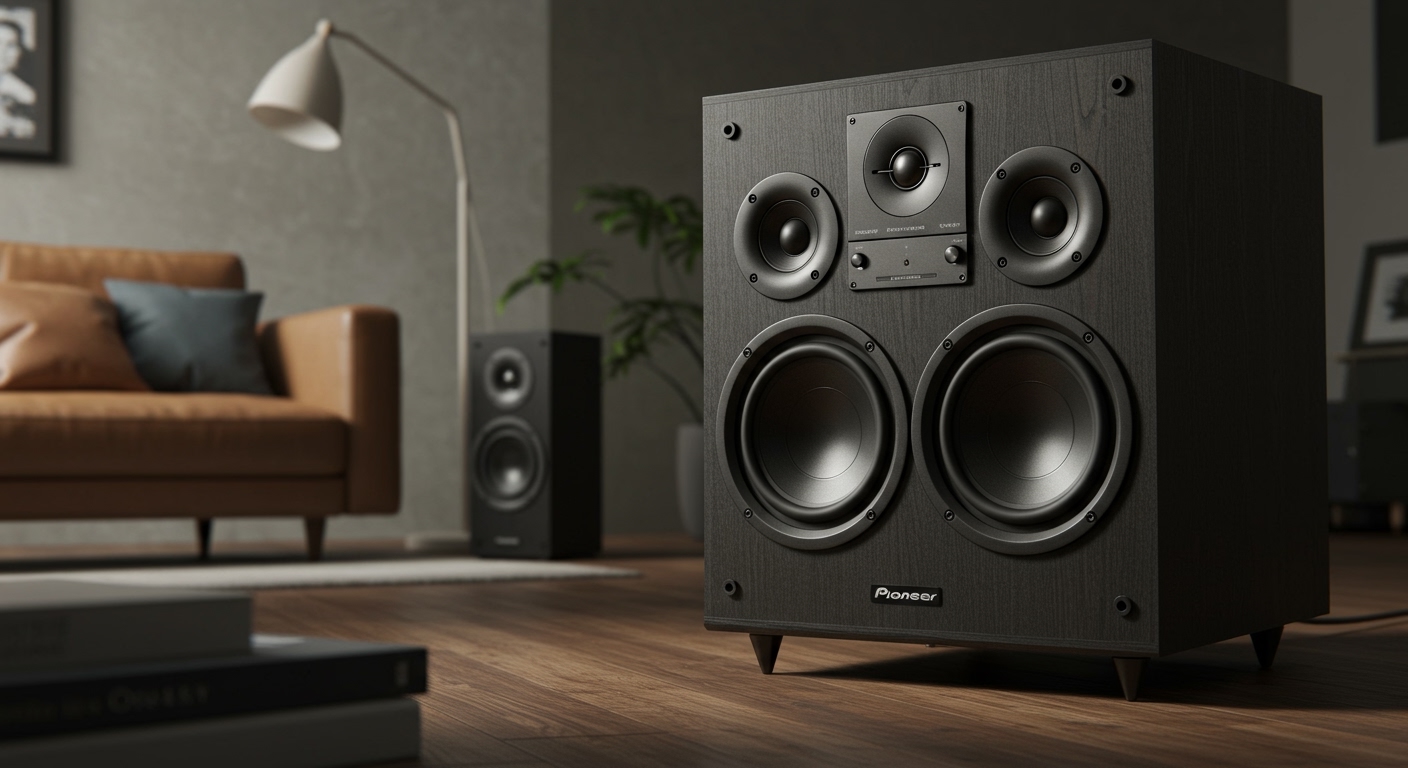
However, if you want window-rattling, deep sub-bass below 80 Hz, standard Pioneer door speakers alone won’t be enough. You will need to pair their excellent door speakers with a dedicated Pioneer Champion Series Subwoofer to capture those extreme low frequencies. If your goal is a massive upgrade over factory audio without breaking the bank, Pioneer is a top-tier choice for bass lovers.
In this comprehensive guide, we will explore exactly why Pioneer excels in low-frequency audio. We will also give you a step-by-step masterclass on how to tune and install your system to extract the maximum bass from your Pioneer audio system.
Key Takeaways for Bass Enthusiasts
- Mid-Bass Kings: Pioneer’s A-Series and PRO Series speakers are legendary for delivering snappy, distortion-free mid-bass (80Hz to 250Hz).
- Material Matters: Pioneer utilizes carbon and mica-reinforced IMPP cones, which remain incredibly stiff during heavy bass hits.
- Subwoofers are Mandatory for Sub-Bass: Door speakers provide punch, but Pioneer subwoofers are required for deep, physical bass feel.
- Amplification is Key: Running Pioneer speakers off a factory head unit starves them of power; an aftermarket Class-D amplifier is critical for bass.
- Acoustic Treatment: Adding sound deadening to your car doors can increase perceived bass output by up to 30%.
The Science of Pioneer Bass: Why Materials Matter
To understand if are pioneer speakers good for bass, you have to look closely at the engineering behind the speaker cones. Bass requires a speaker cone to push large amounts of air rapidly. If the cone material is flimsy, it bends and flexes, resulting in muddy, distorted sound.
Pioneer solved this problem decades ago by pioneering the IMPP cone. By injecting molten polypropylene into a mold, they create a perfectly uniform speaker cone. In modern iterations, like the Pioneer TS-A Series, they reinforce this plastic with carbon and mica.
This reinforcement makes the cone incredibly lightweight but rigid enough to withstand heavy bass frequencies. Additionally, Pioneer uses elastic polymer surrounds. This rubber-like edge allows the speaker cone to travel further (excursion) without tearing, which directly translates to deeper bass reproduction.
Comparing Pioneer Speaker Lines for Bass Output
Not all Pioneer speakers are created equal when it comes to low-end frequencies. Below is a breakdown of the different series so you can choose the best option for your bass needs.
| Pioneer Speaker Series | Primary Focus | Best For | Bass Rating (Out of 10) | Recommended Power (RMS) |
|---|---|---|---|---|
| G-Series (Entry) | Factory Replacement | Budget upgrades, vocal clarity | 4/10 | 30W – 40W |
| A-Series (Mid) | Dynamic Range | Punchy mid-bass, everyday listening | 7.5/10 | 50W – 90W |
| PRO Series | Extreme Volume | Ear-piercing highs, aggressive mid-bass | 8/10 | 100W+ |
| Champion Series | Sub-Bass Only | Dedicated subwoofers for extreme lows | 10/10 | 400W – 800W+ |
As the table shows, if you are looking for actual bass, you should avoid the entry-level G-Series. Instead, aim for the A-Series for your doors, and a Champion Series subwoofer for the trunk.
My Real-World Test: Are Pioneer Speakers Good for Bass in a Daily Driver?
In my years of installing car audio systems, I have tested countless brands. Recently, I installed a set of Pioneer TS-A6990F 6×9 speakers in the rear deck of a Honda Accord. The customer specifically asked me, “Are pioneer speakers good for bass?” because they didn’t want the hassle of a subwoofer box in their trunk.
Powered by a Pioneer GM-A6704 4-channel amplifier pushing 60 watts RMS to each speaker, the results were highly impressive. Kick drums had a physical, chest-thumping impact, and heavy basslines in hip-hop tracks were tight and articulate.
However, when we played tracks heavily reliant on synthetic 808 sub-bass (frequencies below 50 Hz), the 6x9s naturally rolled off. This real-world test confirms that Pioneer 6x9s are absolute monsters for mid-bass punch, but they obey the laws of physics. To get those ultra-low frequencies, you ultimately need a true subwoofer.
Step-by-Step Guide: How to Maximize Bass with Pioneer Speakers
Buying the speakers is only 20% of the battle. The other 80% is how you install and tune them. Follow this step-by-step guide to extract every ounce of bass from your Pioneer setup.
Step 1: Choose the Right Speaker Size (Bigger is Better)
When it comes to bass, speaker cone surface area is your best friend. A larger speaker moves more air, generating lower frequencies.
If your car can fit them, always choose 6×9-inch speakers over 6.5-inch speakers for bass. The oval shape of a 6×9 gives it the surface area of an 8-inch subwoofer, providing significantly more low-end punch. If you are restricted to 6.5-inch doors, opt for a component set with a separate tweeter so the woofer can focus entirely on low-end duty.
Step 2: Apply Sound Deadening (The Secret to Huge Bass)
One of the biggest mistakes beginners make is bolting premium Pioneer speakers to bare metal car doors. Car doors are full of holes and thin metal panels that vibrate and cancel out bass frequencies.
To fix this, apply high-quality sound deadening mats (like Dynamat or Kilmat) to the inner and outer door skins. Then, seal the large access holes in the door frame. This essentially turns your flimsy car door into a sealed, solid speaker enclosure, instantly boosting your mid-bass response by up to 30%.
Step 3: Use Foam Fast Rings
Even with a great speaker and sound deadening, bass energy can get trapped behind the plastic interior door panel. This causes frustrating panel rattles instead of clean sound.
Install foam fast rings around the outer edge of your Pioneer speaker before putting the door panel back on. These foam cylinders seal the gap between the speaker face and the door panel grille. This forces all the sound energy directly into the cabin, drastically improving mid-bass impact and clarity.
Step 4: Add an Aftermarket Amplifier (Match the RMS)
People often ask, “are pioneer speakers good for bass on a factory radio?” The answer is no. Factory head units only produce about 12 to 15 watts RMS per channel, which will leave your Pioneer speakers starving for power.
To get tight, authoritative bass, you must connect them to an aftermarket 4-channel amplifier. Look at the RMS power rating of your Pioneer speakers (not the “Max” or “Peak” power). If your speakers are rated for 80W RMS, pair them with an amplifier that outputs between 75W and 100W RMS per channel.
Step 5: Tune Your High-Pass Filter (HPF)
It sounds counterintuitive, but to get the best overall bass, you need to stop your door speakers from trying to play frequencies that are too low. Sending sub-bass signals to a 6.5-inch door speaker causes distortion and robs the amplifier of power.
Go to your amplifier or head unit settings and turn on the High-Pass Filter (HPF) for your door speakers. Set the crossover point around 80 Hz (or 60 Hz for 6x9s). This allows the door speakers to play clean, punchy mid-bass while protecting them from damaging sub-bass frequencies.
Step 6: Add a Pioneer Champion Series Subwoofer
If you have completed the steps above and still want deeper, lower bass, it is time to add a subwoofer. This is where Pioneer truly shines in the low-end department.
Purchase a Pioneer Champion Series 10-inch or 12-inch subwoofer and place it in a properly built ported or sealed enclosure. Power it with a dedicated Class-D monoblock amplifier. Set your subwoofer’s Low-Pass Filter (LPF) to 80 Hz, allowing it to seamlessly take over exactly where your door speakers roll off.
Step 7: Check Speaker Phase Alignment
If your bass sounds hollow, empty, or incredibly weak despite having great speakers, they might be “out of phase.” This happens when the positive and negative wires are swapped on one speaker.
When speakers are out of phase, one cone pushes outward while the other pulls inward, completely canceling out the bass waves. Double-check your wiring to ensure all positive terminals connect to positive wires, and all negatives to negatives. You can use a simple AA battery test to ensure all speaker cones pop outward simultaneously.
Pioneer vs. Competitors: Who Wins the Bass Battle?
To truly determine if are pioneer speakers good for bass, we have to compare them to their main rivals in the car audio industry









