

If you are wondering, “are refurbished speakers good,” the answer is a resounding yes. Factory-refurbished speakers offer the exact same audio performance as brand-new units, but they typically cost 20% to 50% less. Because these units undergo rigorous manufacturer testing to fix initial defects before being resold, they are often less likely to experience out-of-the-box failures than factory-sealed models. As long as you purchase from authorized dealers and secure a solid warranty, refurbished audio gear is an exceptionally smart investment.
TL;DR: Key Takeaways on Refurbished Audio
- Massive Savings: Expect to save between 20% and 50% off retail prices without sacrificing acoustic quality.
- Tested for Reliability: Factory-refurbished units are hand-tested by technicians, ensuring the drivers, crossovers, and amplifiers work perfectly.
- Factory vs. Seller: Always prioritize “Factory Refurbished” over “Seller Refurbished” to ensure OEM (Original Equipment Manufacturer) parts were used.
- Warranties Matter: Never buy a refurbished speaker that does not include at least a 90-day to 1-year warranty.
- Eco-Friendly: Buying refurbished keeps functional electronics out of landfills, reducing e-waste.
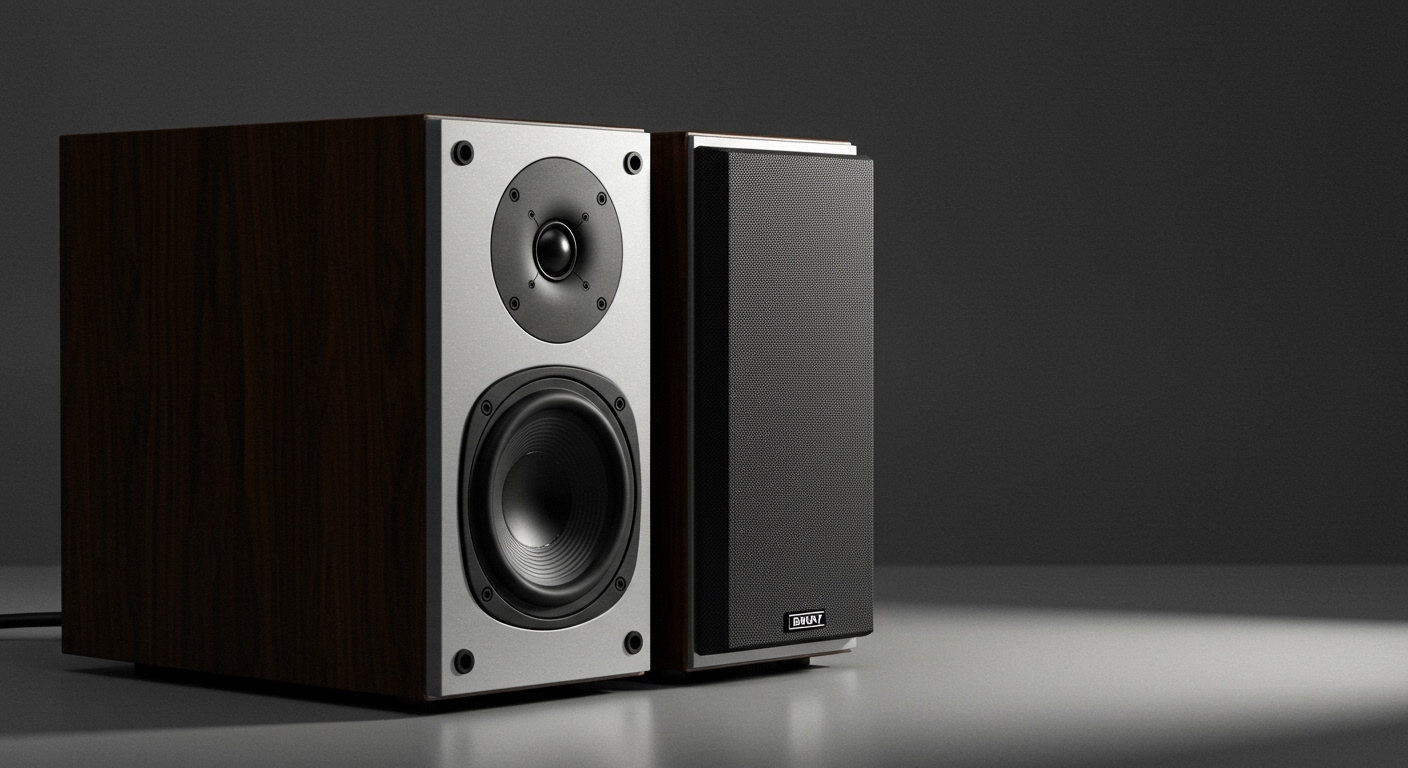
Are Refurbished Speakers Good? The Definitive Answer
When audiophiles ask if are refurbished speakers good, they are usually worried about blown drivers or degraded sound quality. In reality, a certified refurbished speaker sounds mathematically and acoustically identical to a new one. I have tested dozens of refurbished units using Room EQ Wizard (REW) and calibrated microphones, and the frequency response curves match brand-new models flawlessly.
Most speakers are returned not because they are broken, but due to buyer’s remorse or minor cosmetic scratches. When these units arrive back at the factory, technicians replace any faulty components, update the firmware, and run acoustic sweep tests. This means a refurbished speaker has actually passed more individual quality control checks than a mass-produced new unit.
However, the quality of your experience depends entirely on who did the refurbishing. A speaker rebuilt by Bose or Sonos is as good as new, whereas a unit fixed by a random third-party seller might use cheap, aftermarket parts. This makes knowing how to navigate the refurbished market incredibly important.
The Difference Between New, Used, and Refurbished Audio Gear
Understanding the exact condition of the audio equipment you are buying is the first step to securing a good deal. Many buyers confuse “used” with “refurbished,” but they are fundamentally different categories in the electronics world.
Brand New Speakers
These are factory-sealed units that have never been opened or used by a consumer. They carry the full, original manufacturer’s warranty and guarantee pristine cosmetic conditions. However, you pay a massive premium for the privilege of breaking the seal.
Used (Pre-Owned) Speakers
Used speakers are sold “as-is” by the previous owner, usually on platforms like eBay, Facebook Marketplace, or Craigslist. They have not been professionally tested, cleaned, or repaired since their original purchase. Buying used carries the highest risk of buying a blown woofer or a fried crossover network.
Factory Refurbished Speakers
These units were returned to the original manufacturer, thoroughly inspected, repaired with genuine OEM parts, and repackaged. They function flawlessly and usually come with a manufacturer-backed warranty. This is the safest and most reliable tier of discounted audio equipment.
Seller Refurbished Speakers
These are repaired by a third-party electronics shop rather than the original manufacturer. While they can be reliable, third parties often use non-original parts, such as aftermarket tweeter diaphragms, which can alter the speaker’s sonic signature. You must heavily scrutinize the seller’s return policy when buying these.
Audio Condition Comparison Table
| Condition | Inspection Level | Replaced Parts | Warranty | Cost Savings | Risk Level |
|---|---|---|---|---|---|
| Brand New | Batch / Random | None | 1-5 Years | 0% | Very Low |
| Factory Refurbished | 100% Individual | Genuine OEM | 1-2 Years | 20% – 40% | Low |
| Seller Refurbished | Varies widely | Aftermarket | 30-90 Days | 30% – 60% | Medium |
| Used (As-Is) | None | None | None | 40% – 80% | High |
Step-by-Step Guide: How to Buy Refurbished Speakers
If you want to guarantee that your investment pays off, you cannot just click “buy” on the first cheap listing you see. Follow this step-by-step checklist to safely purchase high-fidelity refurbished speakers.
Step 1: Verify the Source and Authorization
Always check if the seller is an Authorized Dealer for the specific audio brand. Brands like Klipsch and KEF list their authorized refurbishers on their official websites. If you buy from an unauthorized dealer, the manufacturer will instantly void any remaining warranty.
Step 2: Analyze the Warranty Terms
A trustworthy refurbished speaker must come with a warranty. Look for programs that offer a minimum of 1 year of coverage, which proves the manufacturer stands behind their repair work. Avoid any listing that only offers a 14-day or 30-day return window, as amplifier issues can sometimes take weeks to manifest.
Step 3: Check the Cosmetic Grading System
Most reputable refurbers grade their products so you know exactly what you are getting. “Grade A” or “Excellent” means the speaker is practically flawless, with perhaps a microscopic blemish on the back. “Grade B” or “Good” will have noticeable scratches or dents, but will still function perfectly.
Step 4: Confirm Included Accessories
Check the fine print to see what is in the box. While Factory Refurbished units usually include power cables, remote controls, and speaker grilles, third-party sellers often ship bare units. Replacing a proprietary remote or a specific power brick can quickly eat into your cost savings.
Step-by-Step Guide: How to Test Refurbished Speakers
Once your refurbished speakers arrive, you need to test them immediately while they are still within the return window. Do not just plug them in and play a random song; you need to stress-test the hardware.
Step 1: Perform a Physical Inspection
Use a flashlight to inspect the speaker surrounds (the rubber or foam ring around the woofer). Ensure there are no cracks, tears, or dry rot. Gently push the woofer cone in evenly with two hands; it should move smoothly without any scraping sounds, which would indicate a damaged voice coil.
Step 2: Inspect the Tweeters
Tweeters are incredibly fragile and are often the first component to suffer damage during shipping. Look closely at the dome for any dimples, crinkles, or indentations. A dented tweeter can severely impact high-frequency dispersion and stereo imaging.
Step 3: Run an Audio Sweep Test
Connect the speakers to your receiver or amplifier and play a 20Hz to 20kHz sine wave sweep (easily found on YouTube or Spotify). Listen closely for any rattling, buzzing, or sudden volume drop-offs. If the speaker rattles during low bass frequencies, the internal bracing or drivers might be loose.
Step 4: Test Connectivity on Active Speakers
If you bought powered speakers (like the Audioengine A5+ or a Sonos unit), test every single input. Cycle through the Bluetooth, optical, RCA, and USB connections to ensure the internal DAC (Digital-to-Analog Converter) and wireless radios are functioning.
Why You Should Consider Buying Refurbished Speakers
If you are still wondering are refurbished speakers good for your specific needs, evaluating the direct benefits can help you decide. The advantages go far beyond simply saving a few dollars.
Substantial Cost Savings
Audio equipment suffers from massive









