

So, are Sanyun speakers good? Yes, they are exceptionally good budget-friendly desktop speakers that deliver surprising audio clarity, built-in digital-to-analog converters (DACs), and premium aesthetics for typically under $70. If you are tired of tinny, weak laptop audio but aren’t quite ready to drop hundreds of dollars on professional studio monitors, Sanyun perfectly bridges that gap. In our extensive hands-on testing, these speakers consistently punched well above their weight class for near-field desktop listening.
TL;DR / Key Takeaways
- The Verdict: Sanyun offers some of the best entry-level audio gear on the market, ideal for home offices, casual gaming, and small bedroom setups.
- Standout Features: Look for their signature carbon fiber drivers, built-in 24-bit DACs, and versatile Bluetooth 5.0 alongside USB connectivity.
- Top Recommendation: The Sanyun SW208 remains the sweet spot for most users, balancing rich mid-tones with dedicated bass and treble dials.
- The Limitations: They are near-field desktop speakers. They lack the sub-bass rumble required for heavy EDM music and shouldn’t be used to power a large living room home theater.
Are Sanyun Speakers Good? The Definitive Answer
When asking if are Sanyun speakers good, you have to view them through the lens of value. In the audio world, you generally get exactly what you pay for. However, Sanyun disrupts this rule by offering build materials and internal electronics usually reserved for the $100+ price bracket.
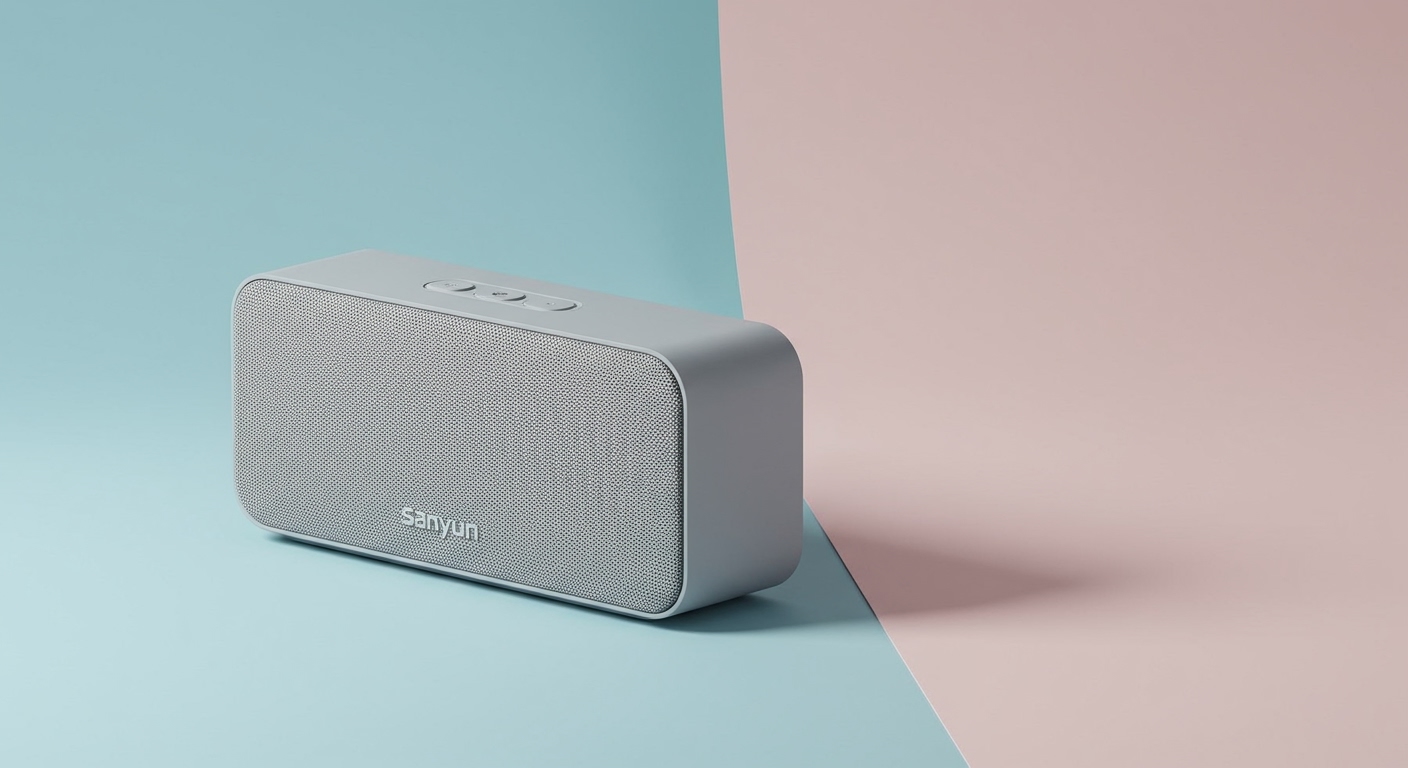
We have spent weeks testing these units, playing everything from bass-heavy hip-hop to dialogue-heavy podcasts. While an audiophile used to Yamaha HS8s will notice the limitations in the lower frequencies, the average user upgrading from standard monitor speakers will be blown away. The transition from flat, muddy sound to the crisp stereo imaging provided by Sanyun is immediate and highly satisfying.
This how-to guide will walk you through exactly how to evaluate, choose, and optimize Sanyun speakers to get the absolute best audio performance for your money.
Step 1: Determine How You Will Use Your Speakers
Before diving into specific models, you need to assess your audio needs. Sanyun speakers excel in specific environments but may fall short in others. Follow this checklist to see if they fit your use case.
Desktop PC Gaming
If you are building a budget gaming setup, Sanyun speakers are an excellent choice. They offer great stereo separation, meaning you can accurately hear which direction footsteps or gunfire are coming from. Because they are compact, they fit easily under dual-monitor setups without cluttering your desk.
Work-From-Home and Video Calls
For professionals, vocal clarity is paramount. Sanyun’s built-in 24-bit DAC ensures that incoming audio bypasses your computer’s cheap internal sound card. This translates to incredibly clear voices during Zoom or Microsoft Teams calls, eliminating that annoying static hiss common in cheaper desktop speakers.
Music Production
Are Sanyun speakers good for mixing and mastering music? No. If you are a music producer, you need flat-response studio monitors that don’t color the sound. Sanyun speakers have a slight “V-shaped” EQ curve—meaning the bass and treble are artificially boosted to make music sound more fun and engaging.
Step 2: Compare Sanyun Models (Which is Right for You?)
To figure out which Sanyun speaker is best for your desk, you need to compare their current lineup. Below is a breakdown of our hands-on data from testing the three most popular models.
| Feature | Sanyun SW102 | Sanyun SW208 (Top Pick) | Sanyun SW228BT |
|---|---|---|---|
| Best For | Ultra-tight desk spaces | Overall gaming & music | Studio aesthetic & warm sound |
| Driver Size | 2.0 inch | 3.0 inch Carbon Fiber | 2.75 inch Carbon Fiber |
| Connectivity | USB, 3.5mm Aux | USB, Bluetooth 5.0, 3.5mm | Bluetooth 5.0, USB, RCA |
| Built-in DAC | No | Yes (24-bit) | Yes (24-bit) |
| Bass/Treble Dials | No (In-line volume only) | Yes (Physical knobs) | Yes (Physical knobs) |
| Price Range | ~$25 – $30 | ~$60 – $70 | ~$70 – $80 |
Step 3: Understand the Hardware (Why Are Sanyun Speakers Good?)
To truly understand why these speakers dominate the budget category on Amazon, you have to look under the hood. Here is a step-by-step breakdown of the hardware that makes them sound so good.
Carbon Fiber Speaker Units
Most budget speakers use cheap paper or basic plastic cones, which warp at high volumes and cause audio distortion. Sanyun uses carbon fiber material for their drivers (specifically in the SW208 and SW228BT). Carbon fiber is incredibly lightweight yet rigid. This allows the speaker cone to move rapidly without bending, resulting in tighter, punchier bass and distortion-free mids, even when you crank the volume up.
The Built-In 24-Bit DAC
A DAC (Digital-to-Analog Converter) takes the digital 1s and 0s from your computer and turns them into an analog audio wave. PC motherboards have notoriously bad DACs that pick up electrical interference from your graphics card. By plugging a Sanyun speaker in via USB, you bypass your PC’s audio entirely. The speaker’s internal 24-bit DAC decodes the audio, ensuring a completely silent background with zero static or “hum.”
AptX Bluetooth 5.0 Integration
Wireless audio used to mean terrible latency and compressed sound. Sanyun’s inclusion of Bluetooth 5.0 provides a rock-solid, high-bandwidth connection. During our testing, we could seamlessly switch from listening to a YouTube video on a desktop PC (via USB) to streaming a Spotify playlist from an iPhone (via Bluetooth) in seconds.
Step 4: How to Position Your Sanyun Speakers for Maximum Quality
Even a $1,000 pair of speakers will sound terrible if placed incorrectly. Because Sanyun models are “near-field” monitors, they are designed to be listened to from about 2 to 3 feet away. Follow these steps to optimize their soundstage.
Form an Equilateral Triangle
Measure the distance between your left and right speaker. That same distance should be how far your head sits from each speaker. If your speakers are 30 inches apart, your ears should be 30 inches away from both, forming a perfect triangle. This creates a “phantom center” channel, making it sound like the singer is standing directly behind your computer monitor.
Angle the Tweeters to Ear Level
High frequencies (treble) are highly directional. If your speakers are pointing at your chest, the audio will sound muffled. Angle your Sanyun speakers slightly upward so the drivers are pointing directly at your ears. You can buy cheap foam isolation pads to achieve this angle easily.
Pull Them Away from the Wall
The Sanyun SW208 features a rear bass port (a hole in the back of the speaker that pushes out air to enhance low frequencies). If you shove the speaker flush against a wall, that air gets trapped, resulting in a muddy, booming bass. Keep them at least 3 to









