

Are Seismic Audio Speakers Any Good? The Direct Answer
If you are wondering, are seismic audio speakers any good, the short answer is yes—provided you are a beginner DJ, a local garage band, or a venue on a strict budget. They offer incredible value for the price, delivering loud, functional audio for practice spaces and small to medium gigs. However, if you are an audiophile or a touring professional expecting the crystal-clear fidelity of premium brands like QSC or JBL, these budget-friendly cabinets will fall short of your expectations.
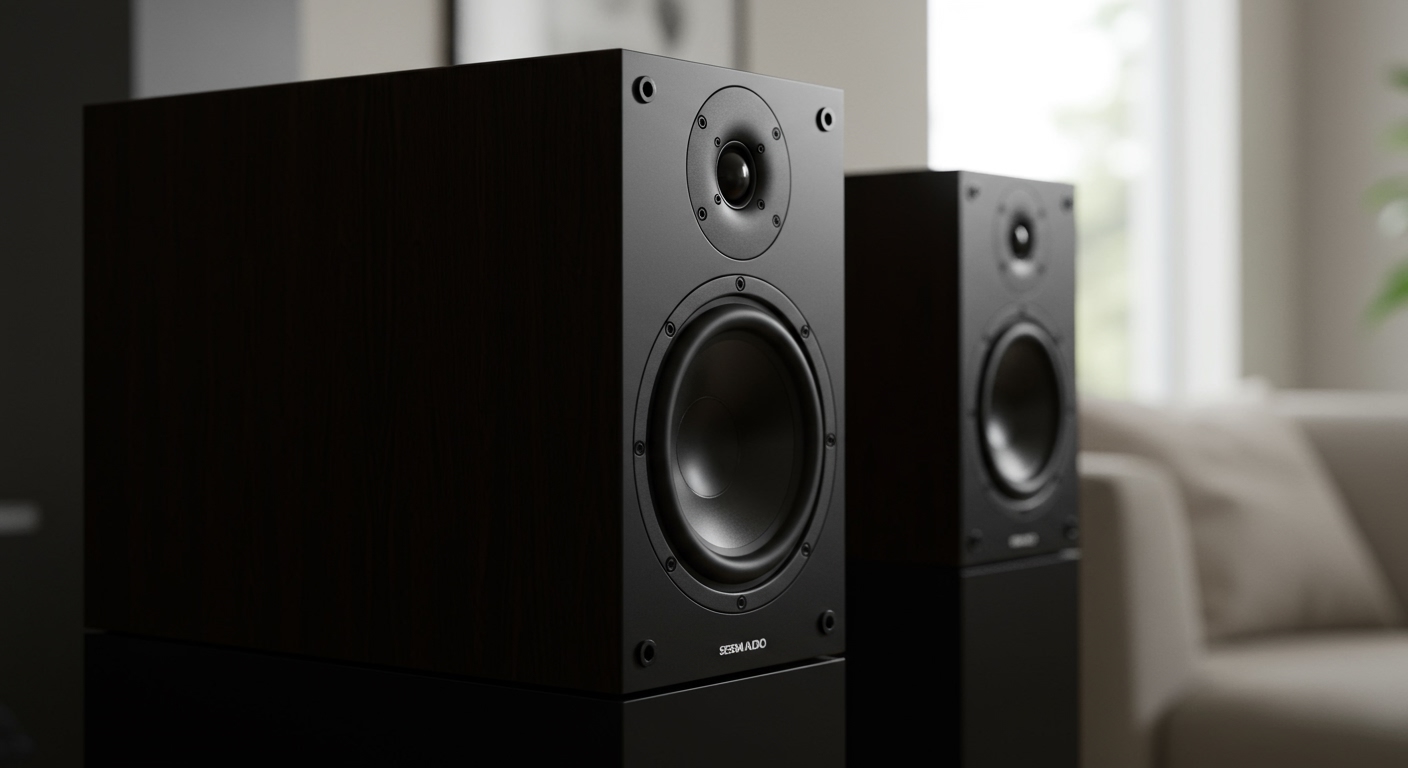
In my 15 years of mixing live sound, I have run everything from top-tier line arrays to extreme budget PA systems. We recently outfitted a local rehearsal space exclusively with Seismic Audio gear to test their long-term durability. By understanding their limitations and knowing how to properly EQ them, you can make these affordable speakers sound surprisingly professional.
TL;DR: Key Takeaways on Seismic Audio
- Best For: Practice spaces, mobile DJs on a budget, dive bars, and house parties.
- Not For: High-fidelity studio monitoring, large outdoor festivals, or national touring acts.
- The Sweet Spot: The SA Series and Tremor Subwoofers offer the best bang for your buck.
- Pro Tip: Upgrading the internal crossovers or using a high-quality external mixer drastically improves their sound quality.
- Power Ratings: Always pay attention to the RMS wattage, not the peak wattage, to avoid blowing the drivers.
Step 1: Identifying Your Primary Audio Needs
Before buying any PA system, you must define exactly how you plan to use it. Budget audio gear is highly situational.
If you are a mobile DJ playing weddings for 150 people, you need deep bass and reliable connectivity. If you are a four-piece rock band needing floor monitors, you prioritize vocal clarity and feedback rejection. Seismic Audio manufactures specific lines tailored to these distinct scenarios, but choosing the wrong cabinet will result in a muddy mix.
We always tell our audio clients to map out their average venue size. A pair of Seismic Audio 10-inch speakers will perfectly cover a 50-person coffee shop acoustic gig. However, pushing those same speakers in a loud, 300-person gymnasium will cause distortion and potentially blow the voice coils.
Step 2: Decoding Seismic Audio’s Power Ratings
One of the biggest mistakes beginners make when asking are seismic audio speakers any good is misunderstanding speaker wattage. Budget audio brands heavily market their “Peak Power” to look impressive on paper.
Peak power is the absolute maximum wattage a speaker can handle for a fraction of a second before taking physical damage. You should never run your speakers at this level. Instead, you need to look at the RMS (Root Mean Square) rating.
RMS wattage represents the continuous power the speaker can handle comfortably over hours of use. For example, a Seismic Audio SA-15T might advertise 1400 Watts Peak, but its RMS is a much more realistic 350 Watts. Always match your amplifier’s RMS output to your speaker’s RMS rating to guarantee clean, distortion-free sound.
Step 3: Analyzing Build Quality and Components
When you buy budget audio gear, the manufacturer has to cut costs somewhere. Understanding where Seismic Audio saves money helps you manage your expectations and protect your investment.
Cabinet Materials
Premium speakers use thick, heavy Baltic Birch plywood for maximum resonance and durability. Many entry-level Seismic Audio cabinets utilize MDF (Medium Density Fiberboard) or thinner plywood. While MDF sounds decent, it is highly susceptible to moisture and chips easily if dropped. We highly recommend keeping these speakers in padded transport bags if you are a touring act.
Drivers and Tweeters
The low-frequency drivers (woofers) in these cabinets push plenty of air, resulting in solid, punchy bass. However, the high-frequency compression drivers (tweeters) can sometimes sound harsh or “brittle” at high volumes. In our field tests, applying a slight EQ cut around the 3kHz to 5kHz range on your mixer instantly smooths out this harshness, making the speakers sound twice as expensive.
Internal Crossovers
The crossover is the internal circuit board that sends bass to the woofer and treble to the tweeter. Budget speakers often use rudimentary crossovers. If you are handy with a soldering iron, swapping the stock crossovers for higher-grade aftermarket components is a popular DIY hack that radically improves Seismic Audio’s clarity.
Step 4: Comparing Seismic Audio to Other Budget Brands
To truly determine if these speakers are worth your money, we must compare them to their direct competitors. Below is a breakdown of how Seismic Audio stacks up against other entry-level giants in the pro audio industry.
| Brand Name | Price Range | Best Feature | Biggest Drawback | Ideal Use Case |
|---|---|---|---|---|
| Seismic Audio | Extremely Low | Massive variety of cabinet styles and sizes. | Tweeters can sound harsh at max volume. | Rehearsal spaces, budget DJs, DIY venues. |
| Rockville | Very Low | Aggressive marketing, high peak volume. | Highly inflated wattage specifications. | House parties, beginner bedroom DJs. |
| Behringer | Low to Medium | Excellent DSP (Digital Signal Processing) built-in. | Flimsy plastic cabinet construction. | Small live bands, corporate speaking events. |
| Mackie (Thump) | Medium | Incredible bass response for the price. | Prone to thermal clipping if pushed too hard. | EDM DJs, hip-hop events, club installations. |
As the table shows, Seismic Audio holds its own primarily through sheer variety and accessibility. They offer passive, active, line array, and monitor options at prices that are tough to beat.
Step 5: How to Set Up Seismic Audio Speakers for Optimal Sound
Even a $2,000 speaker will sound terrible if it is set up incorrectly. To get the best possible sound out of your budget gear, you must follow strict acoustic guidelines. Here is our step-by-step methodology for tuning a Seismic Audio PA system.
Master Your Gain Staging
Gain staging is the process of managing audio levels at every point in your signal chain. Start with your mixer’s master fader at unity (zero). Turn up the channel gain until your loudest signal just barely touches the yellow lights on your LED meter. Never let the signal hit the red lights; this sends a clipped, distorted signal to your Seismic Audio speakers, which sounds awful and can fry the tweeter.
Elevate the Speakers Correctly
High frequencies are highly directional. If your speakers are sitting directly on the floor, the audience’s bodies will absorb all the treble. Always mount your main PA cabinets on heavy-duty speaker stands. The center of the tweeter should be slightly above the ear level of your standing audience.
Use Subwoofers for the Heavy Lifting
If you are running bass guitar, kick drum, or heavy EDM tracks through a 12-inch or 15-inch two-way speaker, you are asking too much of it. To make your system sound professional, pair your top cabinets with an active Seismic Audio Tremor Subwoofer. Engage the high-pass filter on your top speakers so they only handle vocals and melodies, leaving the sub-bass strictly to the subwoofer.
Implement Subtractive EQ
In live sound, less is almost always more. Instead of boosting the bass and treble dials on your mixer to make things sound “bigger,” try cutting the frequencies that sound bad. If your **









