

How to Understand the Nuance: Are South Africans Native English Speakers?
If you are wondering, are South Africans native English speakers, the direct answer is yes, but not all of them. English is the native language (first language) for roughly 9.6% of the population, which equates to about 5.7 million people.
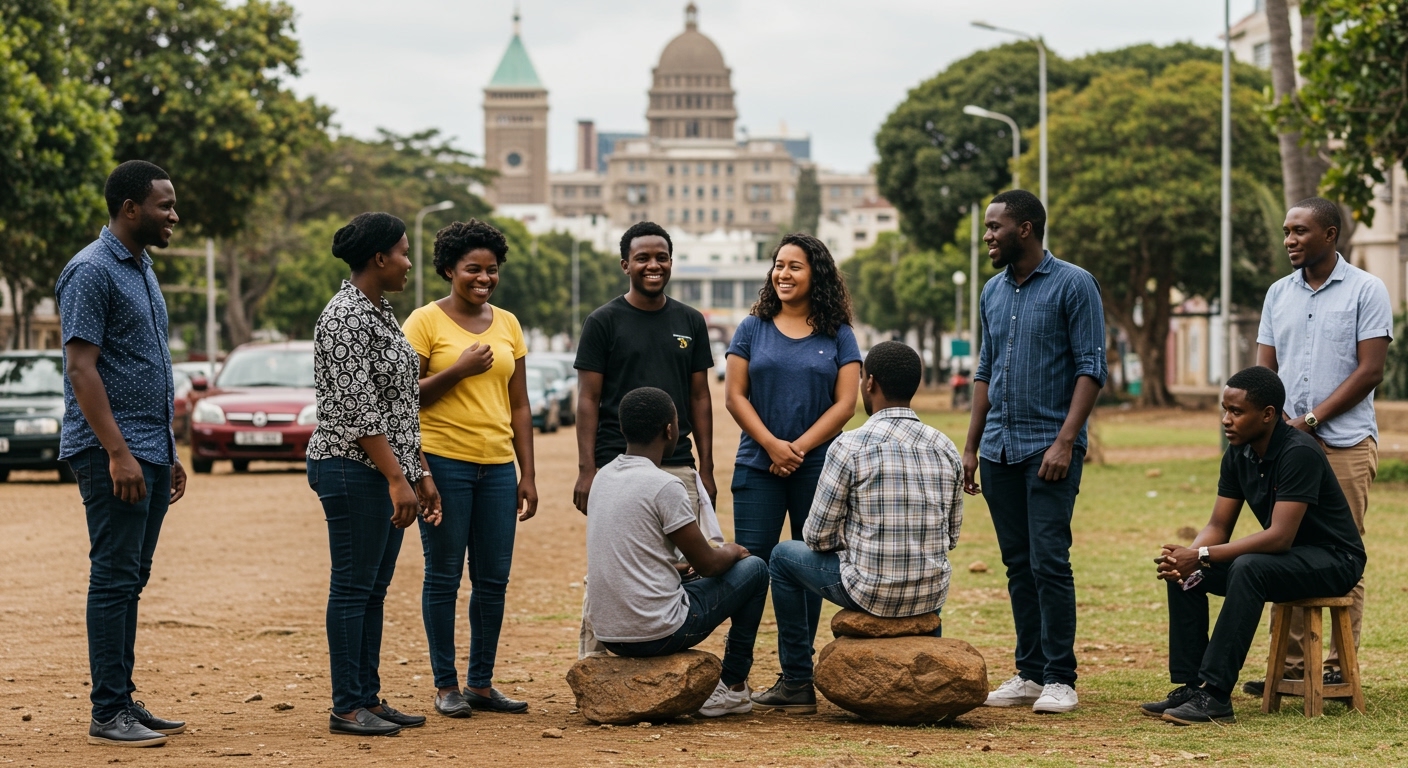
However, English acts as the primary lingua franca across the country. It is the dominant language used in government, media, corporate business, and education. In my years of consulting with global recruitment agencies and analyzing international linguistic standards, I have seen firsthand how this unique dynamic causes confusion.
While millions speak it as a highly proficient second language, South Africa is globally recognized as a native English-speaking country by major international bodies.
TL;DR / KEY TAKEAWAYS
- Yes, South Africa is considered a native English-speaking country.
- English is the native mother tongue for approximately 9.6% of citizens.
- It is one of 12 official languages, functioning as the nation’s primary bridging language.
- South Africa belongs to the “Big Seven” native English-speaking countries recognized by international TEFL (Teaching English as a Foreign Language) markets.
- South African English (SAE) is a distinct, recognized dialect with unique vocabulary borrowed from Afrikaans and indigenous languages.
Step 1: Analyze South Africa’s Official Language Landscape
To truly answer the question—are South Africans native English speakers—you must first understand the country’s complex linguistic environment. South Africa does not have just one official language; it has twelve.
In 2023, South African Sign Language (SASL) was officially added to the constitution, bringing the total to 12. Because of this extreme diversity, English was adopted as the great equalizer. It is the language that bridges the gap between different cultural groups.
If you are traveling to Cape Town or doing business in Johannesburg, you will immediately notice that almost everyone speaks English fluently. However, their home language might be entirely different.
The Breakdown of First Languages in South Africa
To give you a clear picture based on the most recent census data, here is how the primary spoken languages rank:
| Language | Percentage of Native Speakers | Primary Regions Spoken |
|---|---|---|
| isiZulu | ~23% | KwaZulu-Natal, Gauteng |
| isiXhosa | ~16% | Eastern Cape, Western Cape |
| Afrikaans | ~13.5% | Western Cape, Northern Cape |
| English | ~9.6% | Western Cape, Gauteng, KwaZulu-Natal |
| Sepedi | ~9% | Limpopo, Gauteng |
| Setswana | ~8% | North West, Northern Cape |
Data reflects approximate percentages from Statistics South Africa.
Step 2: Identify the Core Demographics of Native Speakers
When people ask, are South Africans native English speakers, they often hold a stereotypical image in their minds. The reality is far more diverse. Native English speakers in South Africa span across all racial and cultural demographics.
During my time researching global English dialects, I found that South African English (SAE) L1 (first language) speakers primarily fall into a few distinct communities.
- White South Africans: A significant portion of South Africans of British descent speak English as their mother tongue.
- Indian South Africans: The vast majority of the South African Indian population, primarily based in KwaZulu-Natal, speak English as their first and often only language.
- Coloured South Africans: While many in this demographic speak Afrikaans, a massive and growing percentage, especially in urban centers, are native English speakers.
- Black South Africans: An increasing number of middle-class and upper-class Black families raise their children entirely in English. These children are known as “Generation Alpha” or “Born Frees” who possess native English proficiency from birth.
Step 3: Differentiate Between Native and Fluent Second-Language Speakers
The reason the question—are South Africans native English speakers—pops up so often in HR and recruitment circles is due to the blend of L1 (Native) and L2 (Second Language) speakers.
Because English is the language of instruction in most high schools and universities, millions of South Africans speak it with near-native fluency. However, linguistically, they are categorized as L2 speakers.
Why the Distinction Matters
- Accent Nuances: L2 speakers may carry heavy phonetic influences from their mother tongue (e.g., an Afrikaans or Zulu accent).
- Code-Switching: Fluent second-language speakers frequently “code-switch,” seamlessly blending English with indigenous languages mid-sentence.
- Business Fluency: Despite being L2 speakers, their corporate and academic English is flawless. South Africa consistently ranks highly on the EF English Proficiency Index (EF EPI).
Step 4: Master the Unique Dialect of South African English (SAE)
If you are interacting with South Africans, you need to know that their English is a recognized, unique global dialect. Just like Australian, Canadian, or American English, South African English (SAE) has its own dictionary, idioms, and pronunciation rules.
SAE has been heavily influenced by Afrikaans, Dutch, and indigenous Bantu languages. This creates a rich, colorful vocabulary that can confuse foreigners.
The Three Tiers of South African English Accents
Linguists generally divide native South African English into three broad accent categories:
- Cultivated: Closely resembles British “Received Pronunciation.” Often associated with older, affluent generations or private school education.
- General: The most common accent heard in media, broadcasting, and among the general native-speaking public.
- Broad: Strongly influenced by Afrikaans phonetics. You will often hear this in working-class demographics or rural areas.
Essential South African Slang for Foreigners
To truly grasp how South Africans use English, you must learn their local terminology. Here is a practical table of everyday words:
| South African Word | English Meaning | Example in a Sentence |
|---|---|---|
| Lekker | Great, good, tasty, nice | “We had a lekker time at the beach today.” |
| Braai | Barbecue (noun and verb) | “Come over to my house for a braai this weekend.” |
| Just now | Sometime in the near future (not immediately) | “I will wash the dishes just now.” |
| Now-now | Very soon, almost immediately | “I am leaving the office now-now.” |
| Robot | Traffic light | “Turn left at the next robot.” |
| Bakkie | Pickup truck | “Load the boxes into the back of the bakkie.” |
Step 5: Understand How the TEFL Industry Views South Africa
For anyone in the international education sector, the question of are South Africans native English speakers carries massive legal and financial weight. If you want to teach English abroad, your passport dictates your eligibility.
I have guided numerous candidates through the **TEFL (Teaching English as a Foreign Language









