

Can Shower Steam Damage Speakers? The Short Answer
If you are wondering, can shower steam damage speakers, the explicit answer is yes. Even if your smartphone or Bluetooth speaker boasts a high water-resistance rating, steam operates differently than liquid water.
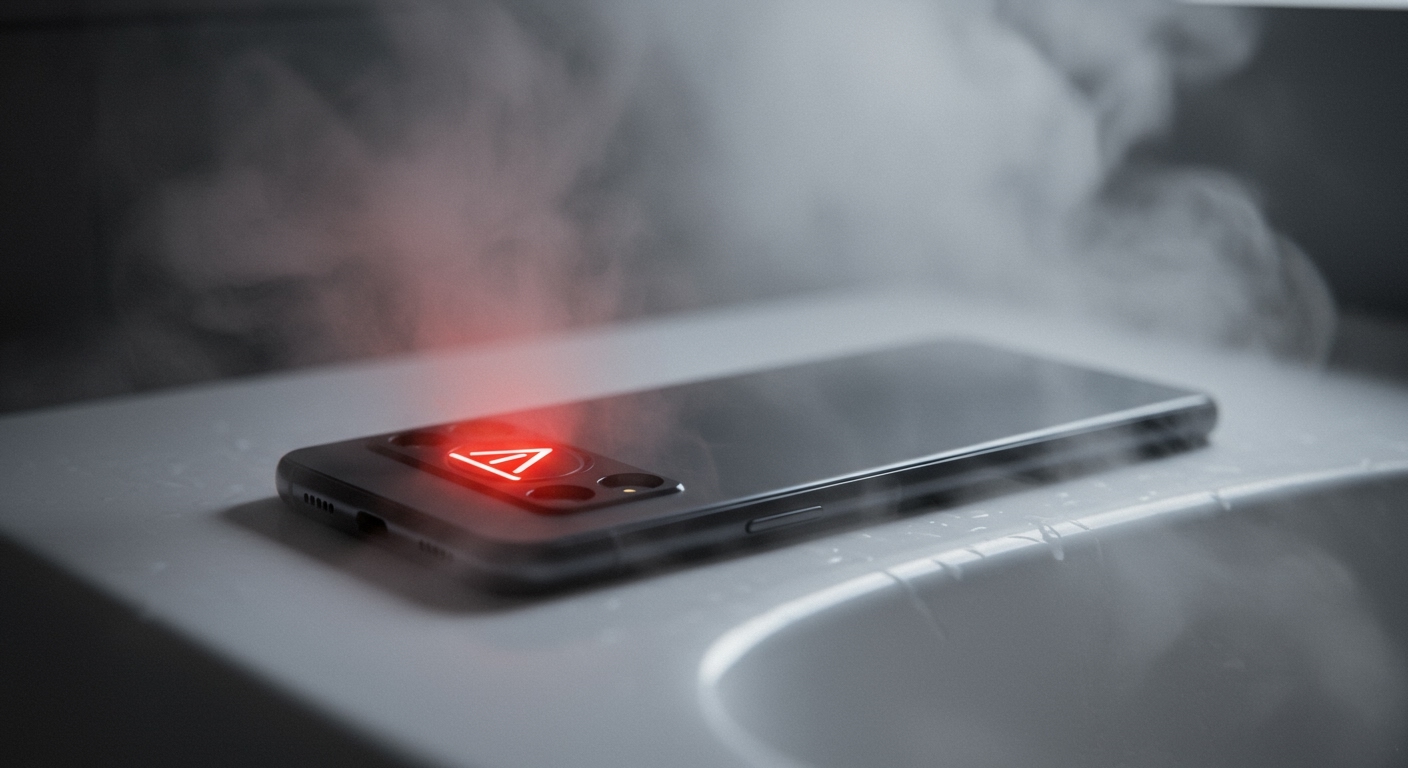
Steam is a gas, meaning its water molecules are small enough to bypass the protective seals, adhesive meshes, and gaskets designed to keep liquid out. Once inside your device, this vapor cools and condenses back into liquid water directly on your sensitive internal motherboards and speaker coils. Over my years of testing audio equipment and repairing water-damaged devices, I have seen countless ruined electronics that never once touched a drop of standing water.
TL;DR: Key Takeaways on Steam and Speakers
- Vapor is not liquid: Steam easily penetrates protective membranes that normally block splashes or submersion.
- Condensation is the killer: Vapor cools inside the device, turning into liquid water that shorts out circuits.
- IP Ratings are misleading: An IP68 rating protects against liquid water, not pressurized steam or extreme humidity.
- Adhesives degrade: The heat from shower steam melts the glue holding your speaker’s waterproofing seals together.
- Permanent damage: Prolonged exposure leads to irreversible rust, corrosion, and blown speaker cones.
Why Can Shower Steam Damage Speakers So Easily?
To understand the threat, we have to look at the physics of steam versus liquid water. Liquid water has surface tension, which allows microscopic protective meshes (like those over an iPhone speaker) to repel it. Steam completely lacks this surface tension.
Because steam is a vaporized gas, it permeates the air and finds its way into any unsealed crevice. When you bring a cool smartphone or speaker into a hot, steamy bathroom, you create a temperature differential. The hot steam enters the speaker grill, hits the cool internal logic board, and immediately condenses.
This creates water droplets inside the device where they cannot easily evaporate. This trapped moisture slowly corrodes copper connections and rusts the internal magnets that drive your speaker’s sound. Over time, this leads to a complete hardware failure.
Exploring the Apple Ecosystem: Can Shower Steam Damage Speakers?
Many users assume their premium devices are immune to bathroom environments. However, if you search the query can shower steam damage speakers site discussions.apple.com, you will find hundreds of cautionary tales from real users. Many Apple customers report muffled audio, broken FaceID sensors, and constant “liquid detected in Lightning connector” warnings after simply leaving their phone on the bathroom counter.
Apple explicitly states in their official support documentation that iPhones should not be used in saunas or steam rooms. They also warn against exposing the device to high-velocity water or extreme humidity. The water-resistant seals in modern smartphones degrade over time with normal wear and tear.
The heat from a hot shower accelerates this degradation. The thermal expansion causes the phone’s chassis to swell slightly, stretching the adhesive seals. Once those seals are compromised, steam rushes into the speaker housing, permanently warping the delicate speaker diaphragm.
Exactly How Can Steam From Shower Ruin Speakers?
If you are still wondering can steam from shower ruin speakers that are built specifically for outdoor use, you need to understand the three primary points of failure. Even rugged Bluetooth speakers succumb to daily bathroom humidity.
Here are the specific ways steam destroys your audio equipment:
Voice Coil Oxidation
The voice coil is a tightly wound copper wire that creates the magnetic field needed to produce sound. When condensation forms on this coil, the copper begins to oxidize and rust. Once oxidized, the coil loses conductivity, resulting in crackling audio or total silence.
Warped Speaker Cones
Many portable speakers use paper-treated or thin polymer materials for their cones. Constant exposure to high humidity softens these materials. A softened cone will warp out of shape, causing the audio to sound incredibly muffled or distorted, especially on heavy bass tracks.
Battery and Motherboard Shorts
Speakers are highly electronic. When trapped steam turns to liquid, it pools at the lowest point of the device. If this water bridges the gap between two electrical contacts on the motherboard or the lithium-ion battery, it causes a short circuit that permanently fries the device.
Understanding IP Ratings: Liquid vs. Steam
Many consumers rely heavily on Ingress Protection (IP) ratings when buying a “waterproof” speaker. Unfortunately, these ratings test for liquid water, not airborne vapor.
Below is a breakdown of what common IP ratings actually mean for your devices:
| IP Rating | Protection Level | Protects Against Shower Steam? | Best Use Case |
|---|---|---|---|
| IPX4 | Splash resistant from any direction. | No. Steam will instantly penetrate. | Light rain, sweaty workouts. |
| IPX5/6 | Withstands low to high-pressure liquid water jets. | No. Does not account for vapor or heat. | Rinsing off mud under a tap. |
| IPX7/8 | Can be submerged in up to 1-3 meters of water for 30 minutes. | Highly Unlikely. Submersion seals do not stop hot gas. | Dropping in a pool or lake. |
| IP69K | Withstands close-range, high-pressure, high-temperature spray. | Yes. This is the only rating tested against hot steam. | Industrial environments. |
As the data shows, unless your device boasts an incredibly rare IP69K rating, it is not certified to handle the hot steam generated by your daily shower.
Warning Signs Your Speaker Has Steam Damage
It is crucial to recognize the early symptoms of moisture damage before the device fails completely. If you catch these signs early, you might be able to save your electronics.
- Muffled or Distorted Audio: The most immediate sign. If the speaker sounds like it is underwater or the treble lacks crispness, moisture is actively sitting on the speaker membrane.
- Crackling and Popping: This indicates that the voice coil is beginning to short out or that the internal amplifier is receiving irregular voltage due to water bridging the circuits.
- Charging Port Errors: Your smartphone or speaker may refuse to charge. Many modern devices have sensors that disable charging to prevent electrical fires when moisture is detected.
- Foggy Camera Lenses: On a smartphone, if the camera lens looks foggy from the inside, it is a 100% guarantee that steam has breached the internal casing.
- Random Reboots: If your Bluetooth speaker randomly shuts off or restarts during a song, the motherboard is experiencing micro-shorts from internal condensation.
How to Safely Listen to Music in the Bathroom
We all love listening to music or podcasts while getting ready for the day. Fortunately, you do not have to give up this habit. You just need to implement safer practices.
Keep the Device Near the Floor
Heat and steam rise. The highest concentration of dense, damaging vapor will be near the ceiling. Placing your speaker on the floor or a low shelf significantly reduces its exposure to heavy condensation.
Maximize Bathroom Ventilation
Always run the bathroom exhaust fan during and for 30 minutes after your shower. If you do not have an exhaust fan, crack a window or leave the bathroom door slightly open. Moving the humid air out of the room prevents the dense fog that forces moisture into your electronics.
Use a True Waterproof Shower Speaker
Instead of risking a $1,000 smartphone, invest in a dedicated, low-cost shower speaker. Look for marine-grade speakers coated in thick silicone. While they may still eventually succumb to steam after a few years, it is a much cheaper replacement than a premium smart device.
Keep Devices in Another Room
The safest method I recommend is to leave your primary device in the bedroom and connect it to a cheap Bluetooth speaker in the bathroom. Even if the cheap speaker breaks, your expensive source device remains perfectly safe.
What to Do If Your Speaker Suffers Steam Damage
If you accidentally left your device in a steamy bathroom and it is acting up, you must act quickly. How you handle the next 24 hours will determine if the device survives.
First, immediately power the device down. Do not press any buttons, and absolutely do not plug it into a charger. Introducing electricity to a wet circuit board is the leading cause of permanent death in electronics.
Next, wipe the exterior completely dry with a microfiber cloth. Do not shake the device, as this can force water deeper into the delicate internal components.
The Myth of Rice vs. Silica Gel
Do not put your speaker in a bag of rice. Rice dust can get lodged in the speaker grills and charging ports, causing more damage. Furthermore, rice is terribly inefficient at pulling moisture out of the air.
Instead, place the device in an airtight container with several silica gel packets. These packets are engineered desiccants designed specifically to absorb ambient moisture. Leave the device in the container for at least 48 hours to ensure all internal condensation has evaporated.
Frequently Asked Questions (FAQ)
Will an iPhone speaker break from shower steam?
Yes, over time, an iPhone speaker can easily break from steam. The hot vapor melts the adhesive seals and bypasses the water-resistant mesh, causing the internal audio components to rust and short circuit.
Is it safe to leave a Bluetooth speaker in the bathroom permanently?
No, it is not recommended to leave electronics in the bathroom permanently. The daily fluctuations in heat and high humidity will inevitably degrade the battery, rust the charging ports, and warp the speaker cones.
How long does it take for steam to damage electronics?
Damage can happen in a single shower if the device’s seals are already compromised. However, for a brand-new device, it typically takes several weeks or months of daily steam exposure for the cumulative condensation to cause a noticeable hardware failure.
Can I use a hairdryer to fix a waterlogged speaker?
Absolutely not. A hairdryer pushes intense, focused heat that can melt the plastic speaker cones and further degrade internal adhesives. It can also forcefully blow the surface water deeper into the unsealed crevices of the motherboard.









