

Can You Upgrade BMW Speakers? Yes, Here Is How
Yes, you can upgrade BMW speakers, and doing so will drastically improve your sound quality without requiring a new dashboard interface. Whether you have the Base Stereo, the HiFi system, or the premium Harman Kardon setup, you can replace the factory paper cones with high-fidelity, plug-and-play aftermarket drivers. You do not need to cut factory wiring or replace your iDrive head unit to achieve a massive leap in audio clarity and bass response.
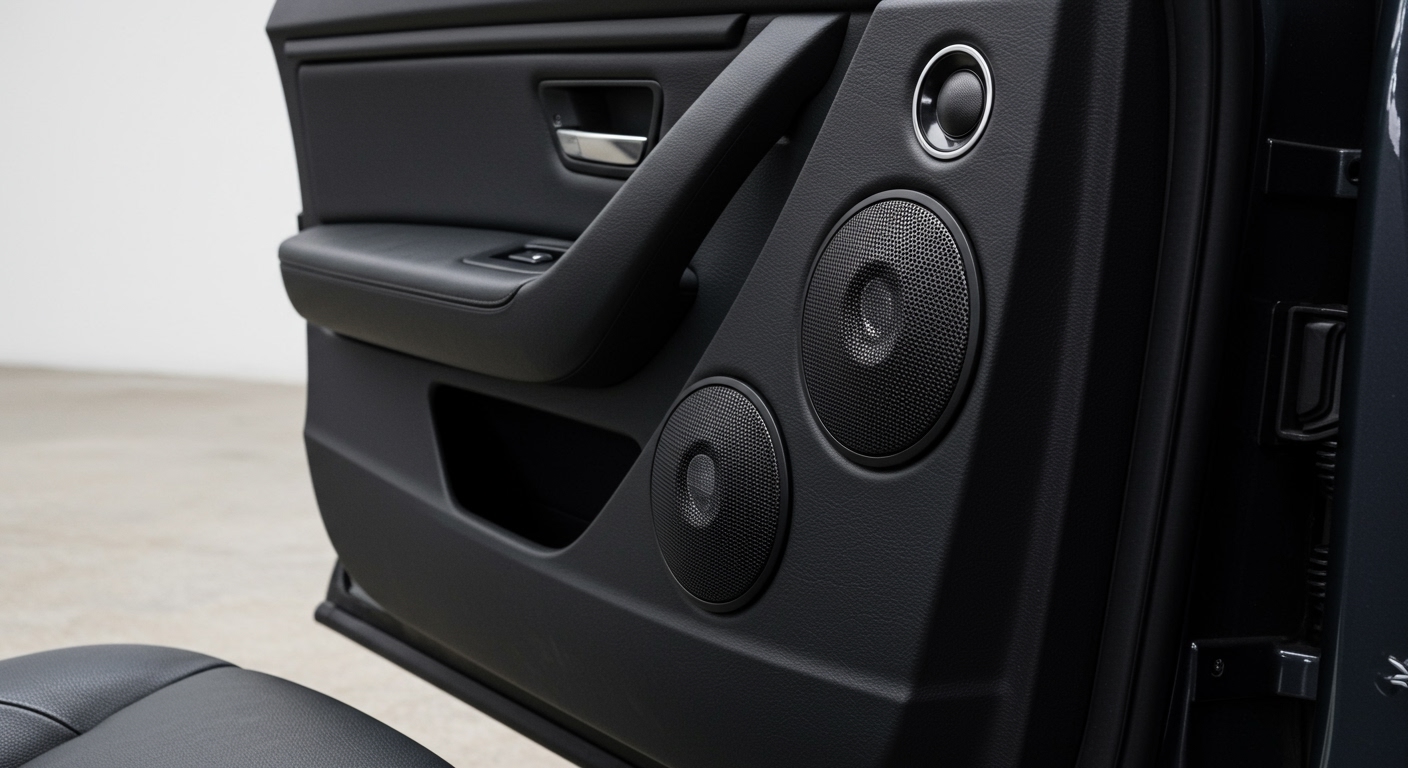
In my years of tuning European car audio systems, I have found that even high-end BMW audio packages suffer from muddy mid-bass and harsh highs. Upgrading your speakers is a straightforward DIY project that restores the acoustic brilliance your luxury vehicle deserves. By utilizing custom-fit speaker kits, you can retain a 100% factory appearance while completely transforming the soundstage.
TL;DR / KEY TAKEAWAYS
- 100% Plug-and-Play: Modern upgrades require no wire splicing; they plug directly into BMW factory harnesses.
- Keep Your iDrive: You do not need to change your factory radio, screen, or navigation system.
- Three Key Upgrades: The best results come from swapping the door midranges, adding silk-dome tweeters, and replacing the underseat subwoofers.
- DIY Friendly: Most installations take 2-4 hours and only require basic tools like a T20 Torx driver and a nylon pry tool.
- DSP is King: Upgrading your amplifier with a Digital Signal Processor (DSP) alongside your speakers unlocks the ultimate sound experience.
Why Can You Upgrade BMW Speakers Without Changing the Radio?
Historically, upgrading car audio meant ripping out the dashboard to install a flashy aftermarket stereo. Today, BMW engineers have tightly integrated the iDrive system with the car’s computer, making head unit replacement incredibly difficult. Fortunately, the audio industry adapted by creating vehicle-specific upgrades.
Brands like Bavsound, BimmerTech, and Focal design speakers with the exact same mounting brackets and electrical connectors as the original BMW parts. This means the physical footprint remains identical, but the internal components are vastly superior.
Instead of cheap paper cones and weak ferrite magnets, premium aftermarket speakers use fiberglass cones and neodymium magnets. This drastically increases power handling and audio detail. You get audiophile-grade sound while keeping your beautiful factory dashboard completely untouched.
Identifying Your Current BMW Audio System
Before you buy any parts, you must identify which audio system your BMW currently has. Buying the wrong kit will lead to mismatched impedances and installation failures. There are three main audio tiers in modern BMWs.
The Base Stereo System
The Base Stereo is the lowest tier, commonly found in European models and older US cars. It typically features four midrange speakers in the doors and two 6.5-inch woofers under the front seats. It completely lacks dedicated tweeters and an external amplifier, meaning the iDrive head unit powers everything.
The HiFi System (Option Code 676)
The HiFi System is the standard tier for most modern US-spec BMWs. It includes dedicated tweeters in the front doors, a center channel speaker on the dashboard, and 8-inch underseat woofers. It also features a small, 205-watt external amplifier located in the trunk.
Harman Kardon / Top HiFi (Option Code 688)
The Harman Kardon system is BMW’s premium offering, featuring up to 16 speakers and a 600-watt amplifier. It uses a fiber-optic MOST bus to transmit audio signals, which makes amplifier upgrades more complex. However, you can still easily swap the speakers for an immediate boost in clarity and vocal presence.
Top Plug-and-Play Brands: Which Should You Choose?
When I upgraded my personal 2019 BMW 3 Series (G20), I spent weeks testing different brands. The market is saturated, but a few companies stand out for their perfect fitment and exceptional sound. Here is a breakdown of the industry leaders.
| Brand | Best For | Component Quality | Price Range (Full Car) | Plug & Play |
|---|---|---|---|---|
| Bavsound | Easy DIY & Warm Vocals | Silk dome tweeters, fiberglass cones | $600 – $1,200 | Yes (100%) |
| BimmerTech | High-end punch & Amp combos | Alpha One drivers, aluminum frames | $700 – $1,500 | Yes (100%) |
| Focal (Inside) | Audiophile precision | Kevlar cones, inverted dome tweeters | $900 – $2,000 | Yes (Wiring adapters included) |
| Match (Audiotec Fischer) | Heavy Bass & DSP Tuning | Paper-composite cones, rigid baskets | $500 – $1,000 | Yes (100%) |
How Can You Upgrade BMW Speakers Yourself? (Step-by-Step DIY Guide)
You do not need to pay a car audio shop hundreds of dollars for installation. If you are reasonably handy, you can swap these speakers in your driveway in a single afternoon. Here is my proven, step-by-step methodology for a flawless installation.
Step 1: Gather Your Tools and Prep the Car
Having the right tools is the secret to preventing broken clips and scratched trim. You will need a set of nylon trim removal tools, a T20 Torx screwdriver, a T50 Torx socket (for the seats), and a 10mm wrench.
Always start by disconnecting the negative terminal of your car battery. This prevents accidental short circuits and ensures you do not trigger an airbag warning light when unplugging the seats. Keep the trunk open, as modern BMWs require power to un









