

So, do bands bring their own speakers to a gig? The direct answer is: it depends entirely on the size of the venue, the contract, and the type of event you are playing. For small local bars, backyard parties, and weddings, bands are generally expected to provide their own PA systems and speakers. Conversely, larger clubs, theaters, and established music festivals will almost always feature an in-house sound system managed by a professional audio engineer.
As a live sound technician and gigging musician with over fifteen years of touring experience, I have seen shows completely derailed because nobody clarified who was supplying the main speakers. Assuming the venue has gear can lead to silent stages and canceled shows. This comprehensive guide will break down exactly how to handle live sound logistics, manage your band’s equipment, and ensure your next performance sounds incredible.
TL;DR / KEY TAKEAWAYS
- Small Venues & Private Gigs: Bands typically must bring their own main speakers, subwoofers, and mixing consoles.
- Dedicated Music Venues: Mid-size to large venues provide the “house PA” and a dedicated Front of House (FOH) engineer.
- The Technical Rider: Always use a tech rider to legally define equipment responsibilities before you arrive at the venue.
- Stage Monitors: Even if the venue provides the main outward-facing speakers, many modern bands bring their own In-Ear Monitor (IEM) systems for stage mixing.
Do Bands Bring Their Own Speakers to Every Gig?
When determining whether you need to haul your heavy audio equipment to a show, you must first look at the venue’s primary business model. If a venue exists primarily to host live music, they usually have their own permanent speaker installation. If the venue is a restaurant, brewery, or event hall that only occasionally hosts music, the burden of sound reinforcement falls on the performers.
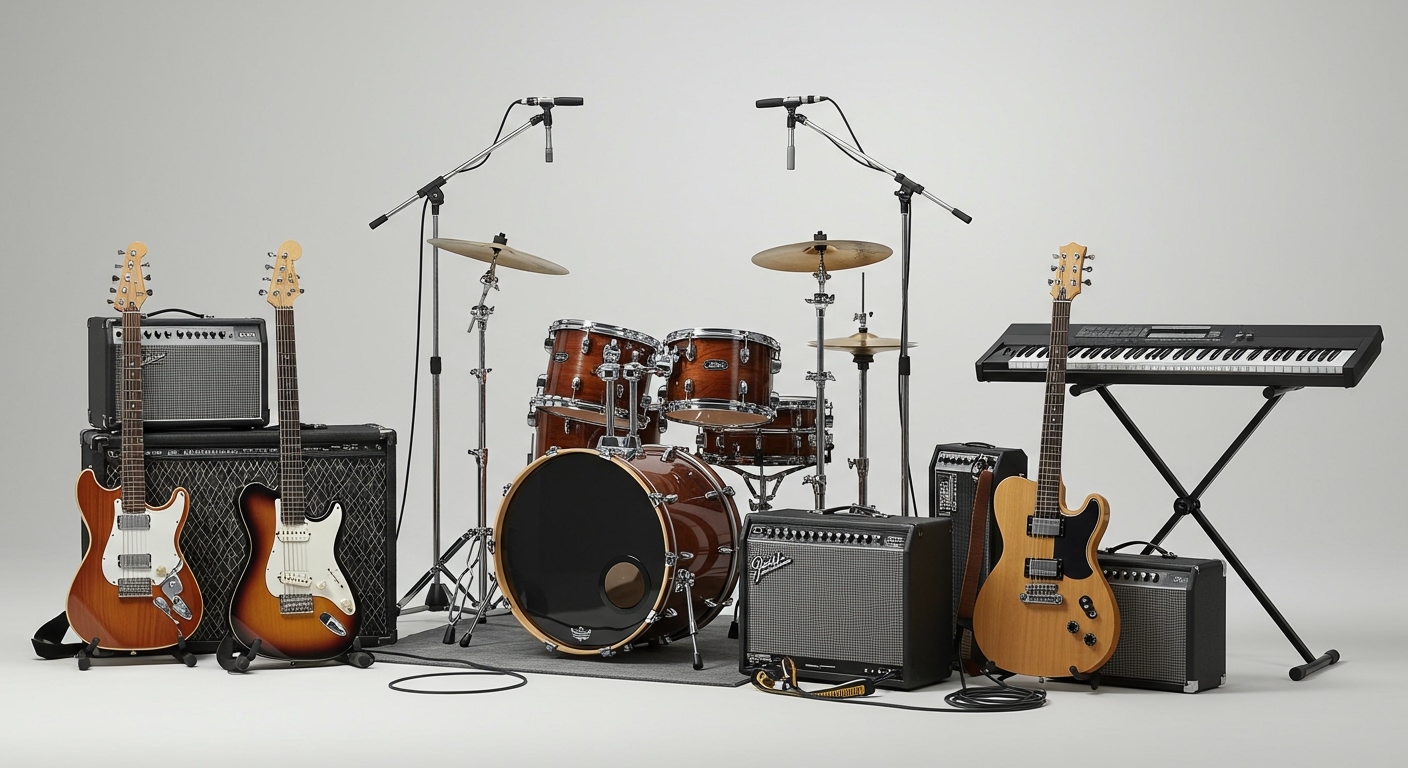
We call this distinction the difference between a “dedicated music venue” and an “ancillary venue.” In my experience, ancillary venues rarely invest in high-quality live sound equipment because it does not drive their daily revenue. Therefore, if you are booking a tour through coffee shops and craft breweries, your band absolutely must own and transport a reliable pair of powered speakers.
On the flip side, arriving at a 500-capacity rock club with your own speakers is a rookie mistake. These venues have meticulously tuned line array systems specifically designed for the acoustics of their room. In these scenarios, the venue explicitly forbids bands from patching their own main speakers into the system to protect their acoustic environment.
Decoding Band Equipment by Venue Size
To make things practical, let us break down the standard operating procedures for band equipment based on venue capacity. The size of the crowd directly correlates with who provides the sound gear and how powerful that gear needs to be.
Small Capacity (Under 100 People)
For intimate gigs like coffee shops, small pubs, and art galleries, bands bring their own speakers 95% of the time. These rooms do not require massive sound pressure levels. A simple setup consisting of two 10-inch or 12-inch active speakers mounted on tripods is usually sufficient.
In these settings, you are primarily amplifying the vocals, keyboards, and acoustic guitars. The drum kit and bass guitar generally carry enough acoustic volume to fill the room without being pushed through the main PA system. Aim for a system that pushes around 1,000 watts total to ensure clean, undistorted sound.
Medium Capacity (100 to 500 People)
This is the transitional zone in the live music industry. Regional clubs, large dive bars, and outdoor community stages fall into this category. About 70% of these venues will have a built-in house PA, but the quality can vary wildly.
I always advise bands to “advance” the show—meaning you call the venue a week prior to confirm their gear status. If you are required to bring your own speakers to a room this size, you must bring subwoofers. Pushing kick drums and bass guitars through standard top speakers in a medium-sized room will instantly blow your speaker cones.
Large Capacity (500+ People)
If you are playing theaters, arenas, or major outdoor festivals, leave your main speakers at home. These events utilize massive, flown line-array speaker systems that cost hundreds of thousands of dollars. The venue or festival promoter hires an independent production company to handle all audio logistics.
At this level, the band is only responsible for their “backline” (guitar amps, drum shells, keyboards) and their specific instruments. You will hand your audio signals over to the professional Front of House engineer, who mixes the sound for the massive crowd.
When Do Bands Bring Their Own Speakers for Private Events?
The corporate and private event circuit operates by an entirely different set of rules than the standard music industry. If you are wondering, do bands bring their own speakers to weddings and corporate galas, the answer is an overwhelming yes. Private event bands operate as self-contained production companies.
When a couple hires a wedding band, they are not just paying for the music; they are paying for a complete audio-visual service. Your band is expected to bring main speakers, subwoofers, stage lighting, and even wireless microphones for the toasts. You must factor the cost of transporting and setting up this band equipment into your performance fee.
Occasionally, high-end corporate events held in hotel ballrooms will have an external AV company running the sound. However, you should never assume this is the case. Always draft a contract for private gigs that explicitly states whether the client is providing an external production company or if your band is acting as the primary audio provider.
Pros and Cons: Bringing Your Own PA vs. Using the Venue’s Setup
To help you understand the dynamics of live sound logistics, here is an objective breakdown of owning the sound versus relying on the venue.
| Feature / Scenario | Bringing Your Own Speakers | Using the Venue’s House System |
|---|---|---|
| Sound Consistency | High. You know exactly how your gear sounds and operates every night. | Variable. You are at the mercy of the venue’s maintenance and gear budget. |
| Setup Time | Long. Requires 1-2 hours of heavy lifting, cabling, and sound-checking. | Short. Just plug your instruments into their DI boxes and microphones. |
| Financial Cost | High initial investment (often $2,000+ for a decent PA system). | Free for the band (cost is absorbed by the venue’s operating budget). |
| Audio Control | Total control. You mix your own sound from the stage using a tablet. | Limited. A venue sound engineer controls what the audience hears. |
| Physical Labor | Exhausting. You must load heavy subwoofers in and out at 2:00 AM. | Minimal. You only carry your personal instruments and amplifiers. |
Step-by-Step Guide: How to Determine Who Provides the Sound
Miscommunication regarding band equipment is the number one cause of gig day disasters. To ensure a seamless show, follow this actionable, step-by-step communication protocol for every gig you book.
Step 1: Send Your Technical Rider and Stage Plot
As soon as a gig









