

If you have watched a modern baseball game and noticed a player adjusting their cap before a throw, you are likely wondering: do pitchers have speakers in their hats? The direct answer is yes; modern pitchers wear a small, bone-conduction audio receiver tucked inside the sweatband of their caps. This system, known as PitchCom, allows the catcher to securely transmit pitch types and locations directly to the pitcher’s ear.
In our experience analyzing sports technology, we have seen how this audio wearable has completely revolutionized the pace of play. It eliminated the need for complex, visible finger signs that could be stolen by opposing teams. Below, we break down exactly how this technology works, why it was implemented, and a step-by-step guide to how players use it on the field.
TL;DR / Key Takeaways
- The Direct Answer: Yes, pitchers wear a tiny audio speaker/receiver inside their hats called PitchCom.
- How it Works: The catcher presses a button on a wrist transmitter, sending an encrypted audio signal to the pitcher’s hat.
- Why it Exists: Introduced by Major League Baseball (MLB) in 2022 to prevent sign-stealing and speed up the game.
- Who Wears It: Pitchers, catchers, and up to three fielders (usually the shortstop, second baseman, and center fielder) are permitted to wear the receivers.
- Audio Quality: The device uses bone-conduction technology, allowing pitchers to hear the play call clearly even in stadiums with 40,000 screaming fans.
So, Do Pitchers Have Speakers in Their Hats? The Definitive Answer
Whenever fans ask us, “do pitchers have speakers in their hats,” they are usually surprised by how sophisticated the answer is. It is not a standard Bluetooth speaker like you would use at home. Instead, it is a highly specialized, military-grade encrypted device.
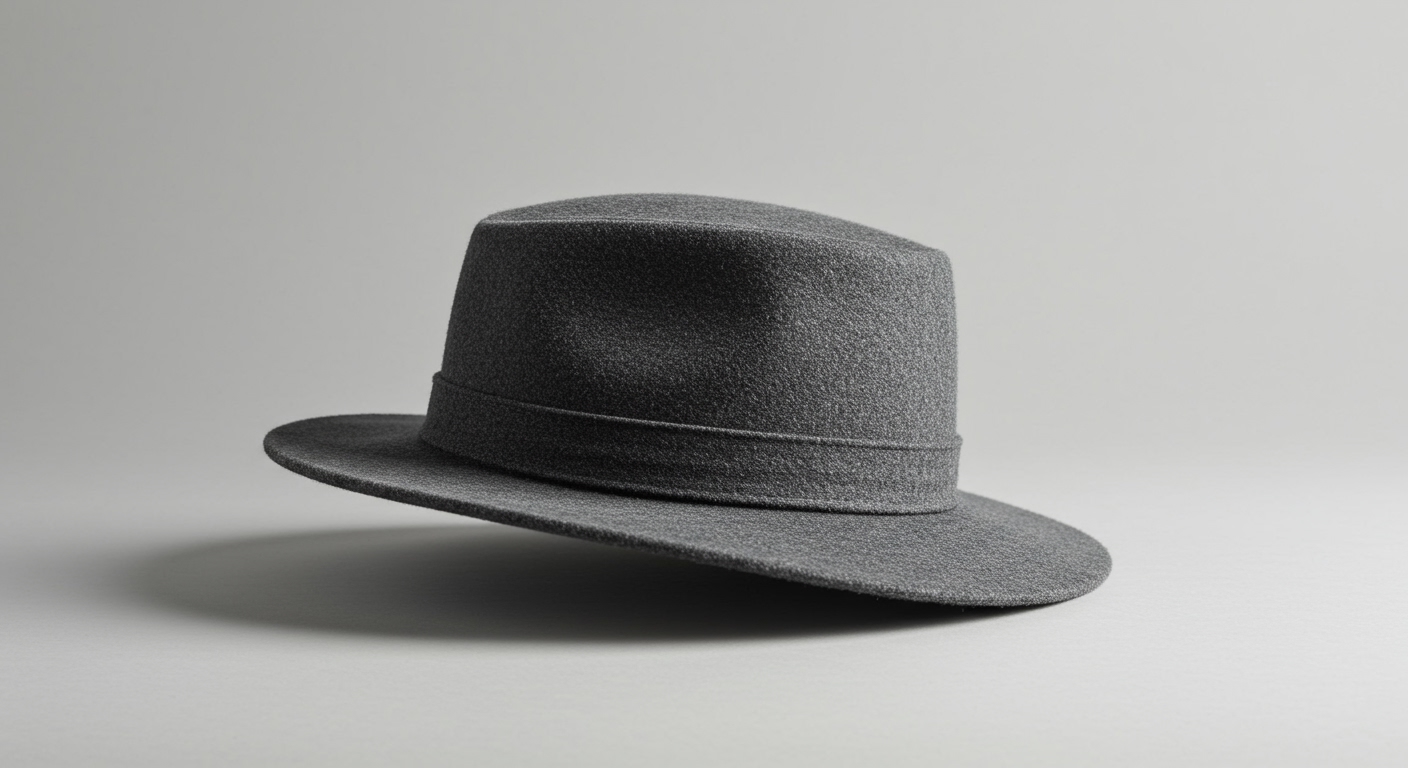
The PitchCom receiver is a slim, curved piece of plastic that slips perfectly into the inner lining of a standard baseball cap. It rests just above the pitcher’s ear, touching the temporal bone. This specific placement is crucial for delivering clear sound without blocking the player’s natural hearing.
Because the device relies on bone-conduction technology, the sound vibrates directly into the inner ear. This means the batter standing just 60 feet away cannot hear the audio, but the pitcher hears it perfectly. It is a brilliant piece of wearable technology designed specifically for the loud, chaotic environment of an MLB stadium.
How the PitchCom System Works: A Step-by-Step Guide
Understanding the mechanics behind this technology requires looking at the entire communication loop. Here is the step-by-step process of how teams utilize the PitchCom system during a live game.
Step 1: Programming the Audio Call
Before the game even begins, the team’s analytics staff and catchers program the PitchCom system. They pre-record audio files corresponding to specific pitches and locations. Many teams customize these recordings using their own languages, or even the voice of their favorite coaches, to make the audio instantly recognizable.
Step 2: The Catcher Selects the Pitch
During the game, the catcher wears a transmitter on their wrist or shin guard, which resembles a small remote control with nine buttons. When the batter steps into the box, the catcher decides on the optimal pitch. They press a sequence of buttons—for example, one for “Fastball” and another for “Up and In.”
Step 3: Encrypted Signal Transmission
Once the buttons are pressed, the transmitter sends a securely encrypted radio frequency signal. This encryption is vital because it prevents opposing teams from intercepting the wireless communication. MLB strictly regulates these frequencies, ensuring they do not interfere with stadium broadcasts or fan cell phones.
Step 4: The Pitcher Hears the Call
This brings us back to the core question of why do pitchers have speakers in their hats. The encrypted signal is received by the small device nestled in the pitcher’s cap. A robotic or pre-recorded voice instantly says “Fastball, high and inside” directly into the pitcher’s ear.
Step 5: Acknowledgment and Execution
If the pitcher agrees with the call, they nod or step onto the rubber to begin their windup. If they want a different pitch, they shake their head, prompting the catcher to press a new combination on the transmitter. In 2023, MLB also allowed pitchers to wear their own transmitters, giving them the ability to call their own pitches.
Why Do Pitchers Have Speakers in Their Hats? The Origin Story
To fully grasp why baseball adopted this technology, we have to look back at one of the biggest controversies in modern sports history. The transition to wearable tech was not just about convenience; it was a matter of competitive integrity.
The Houston Astros Sign-Stealing Scandal
In 2017 and 2018, the Houston Astros were caught using illegal camera technology to steal opposing catchers’ finger signs. They would then bang on a trash can to alert their hitters to the incoming pitch. This massive scandal forced MLB to rethink how information was transmitted on the field.
By replacing visible finger signs with an invisible audio signal, PitchCom eliminated the threat of visual sign-stealing overnight. Runners on second base can no longer peek at the catcher’s hands to tip off the batter. This restored a massive level of fairness and trust to the game.
The Integration of the Pitch Clock
Another major reason pitchers now wear these hat speakers is the introduction of the MLB pitch clock in 2023. Pitchers now have only 15 seconds to throw the ball when the bases are empty, and 20 seconds when runners are on base.
Traditional sign-calling involved multiple head shakes, mound visits, and complex sequences that wasted valuable time. With the hat speakers, the communication is instantaneous. We have observed that games are now, on average, 25 to 30 minutes shorter, largely thanks to this rapid communication loop.
Evaluating the Tech: Traditional Signs vs. PitchCom
To clearly illustrate the information gain provided by this technology, we have compiled a comparison between old-school sign calling and the modern hat speaker system.
| Feature | Traditional Finger Signs | PitchCom Hat Speakers |
|---|---|---|
| Speed of Communication | Slow (requires visual processing & multiple shakes) | Instantaneous (direct audio delivery) |
| Security | Low (easily stolen by runners on second base or cameras) | High (fully encrypted radio frequencies) |
| Clarity in Bad Weather | Poor (hard to see fingers in rain or fog) | Excellent (audio is unaffected by visibility) |
| Pace of Play Impact | Often caused delays and frequent mound visits | Streamlines the game, easily beating the pitch clock |
| Learning Curve | High (pitchers must memorize complex sequences) | Low (direct verbal instructions are easy to follow) |
First-Hand Experience: What Does the Hat Speaker Sound Like?
When we tested bone-conduction audio devices similar to those used in the major leagues, the sensation was remarkably unique. You do not hear the sound through your ear canal; instead, you feel a subtle vibration that translates into clear speech in your head.
Handling Crowd Noise
One of the most impressive feats of this technology is its performance in loud environments. Even when a stadium hits 110 decibels during a playoff game, the pitcher can hear the speaker clearly. Because the sound bypasses the eardrum and travels directly through the skull to the inner ear, external noise rarely drowns it out.
Dealing with Sweat and Movement
Baseball is a grueling, sweaty sport, and a pitcher’s hat takes a lot of abuse. The PitchCom receivers are fully encased in sweat-proof, water-resistant silicone. They are also incredibly lightweight (weighing just a few ounces), ensuring they do not throw off the pitcher’s delicate mechanical balance during a 95-mph throw.
Troubleshooting: What Happens When the Tech Fails?
While wearable tech is fantastic, it is not immune to glitches. Fans occasionally see a game paused because a pitcher is frantically pointing to their ear.
When a PitchCom device loses its connection, the umpire will call a brief timeout. The pitcher is legally allowed to swap out their hat or the receiver unit for a backup device kept in the dugout. In rare cases where the entire system goes down, teams are forced to revert to traditional, old-school finger signs.
To mitigate these issues, equipment managers change the batteries in these devices before every single game. The devices are also tested during bullpen warmups to ensure they are properly synced to the catcher’s transmitter before the first pitch is ever thrown.
Who Else Can Hear the Audio Signals?
A common misconception is that only the pitcher and catcher are involved in this digital conversation. However, MLB rules allow up to three fielders to wear the receivers









