Do Speakers Have Capacitors? The Short Answer
If you have ever listened to a vintage audio system and noticed the high notes sounding muffled, you might be asking yourself: do speakers have capacitors? The definitive answer is yes. Most multi-driver speakers contain capacitors hidden inside their internal crossover network.
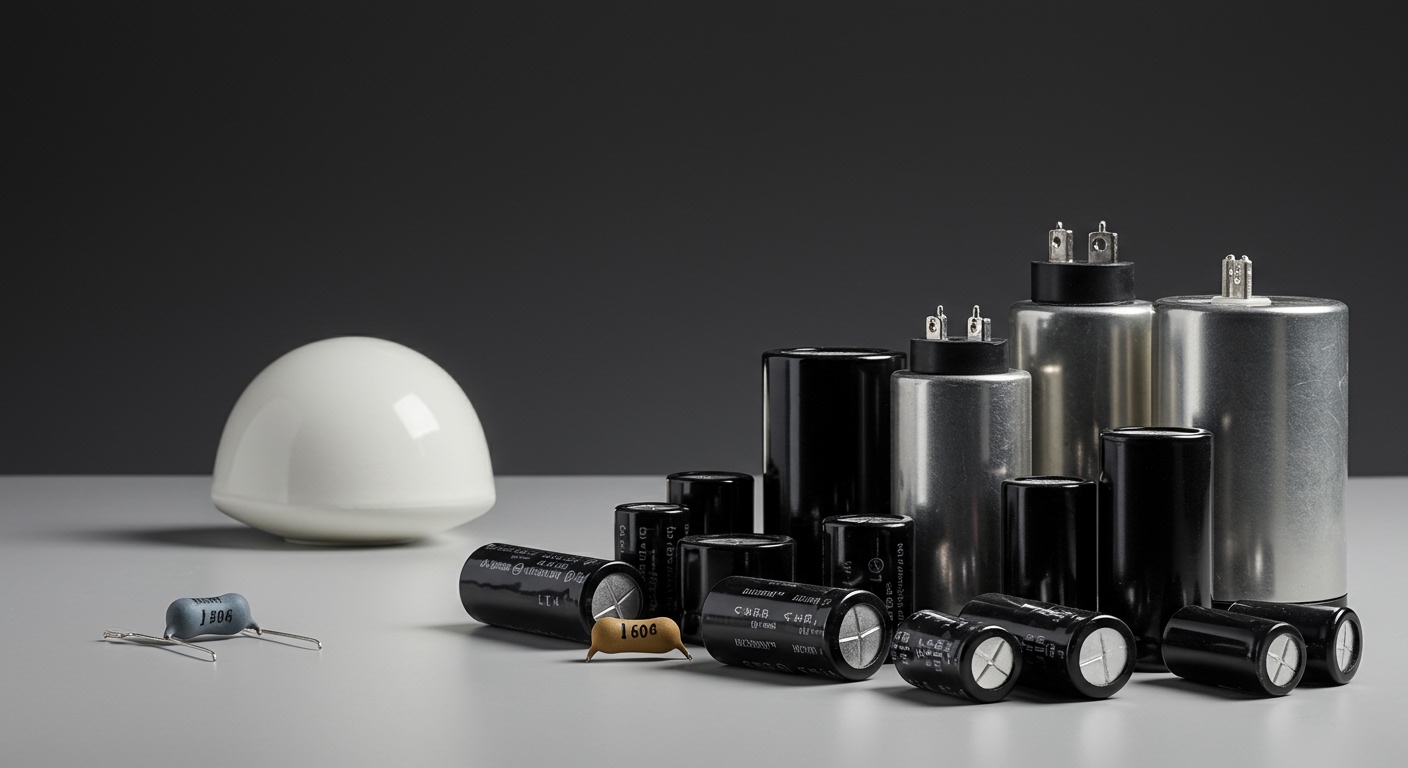
These small but critical electrical components act as frequency traffic cops. They block low-frequency bass signals from reaching your delicate tweeters, preventing catastrophic damage and distortion. In our years of restoring audio equipment, we have found that degraded capacitors are the number one cause of muddy sound in older speakers.
Key Takeaways (TL;DR)
- Yes, most speakers have capacitors: They are essential components of passive crossover networks in two-way and three-way speakers.
- Protection and Routing: Capacitors function as high-pass filters, sending high frequencies to the tweeter and blocking low, damaging bass frequencies.
- Lifespan: Standard electrolytic capacitors degrade over time, typically lasting 15 to 25 years before their chemical paste dries out.
- Upgrading is Easy: Replacing old, degraded speaker capacitors with modern polypropylene film capacitors is a highly effective, low-cost way to dramatically restore audio clarity.
- Value Matching: When replacing, you must match the Microfarad (µF) value exactly, but you can safely choose a higher Voltage (V) rating.
Why Do Speakers Have Capacitors Built Inside Them?
To truly understand why speakers need capacitors, we must look at how sound frequencies operate. A single speaker cone cannot accurately reproduce the entire human hearing range (20Hz to 20,000Hz).
Because of this physical limitation, audio engineers divide the workload. They use heavy woofers for bass, mid-range drivers for vocals, and small, fragile tweeters for the highest notes. However, you cannot just send a full-range audio signal from your amplifier into all three drivers simultaneously.
If deep, high-energy bass frequencies hit a tiny tweeter, the voice coil will rapidly overheat and melt. This is where the crossover network comes into play.
The Role of High-Pass Filters
A capacitor in a speaker crossover functions primarily as a first-order high-pass filter. As the frequency of an audio signal drops, a capacitor naturally resists the electrical flow.
- High Frequencies: The capacitor allows fast-moving treble frequencies to pass through to the tweeter with zero resistance.
- Low Frequencies: The capacitor physically blocks slow-moving bass waves from passing through.
By wiring a capacitor in series with a tweeter, we guarantee that only safe, high-pitched sounds reach the delicate driver. In our workshop, we regularly test blown tweeters; nine times out of ten, a failed capacitor allowed a bass spike to destroy the voice coil.
Different Types of Speaker Capacitors: A Comparison
Not all capacitors are created equal. If you crack open a modern budget speaker versus a high-end audiophile cabinet, you will find vastly different materials inside.
When answering the question, “do speakers have capacitors that need to be upgraded?”, it heavily depends on the dielectric material used during manufacturing. Here is a breakdown of the three main types of audio capacitors you will encounter.
| Capacitor Type | Average Lifespan | Cost Level | Audio Quality | Best Application |
|---|---|---|---|---|
| Non-Polarized Electrolytic | 15 – 20 Years | Very Low | Fair (Can sound muddy) | Budget speakers, low-frequency woofer circuits |
| Mylar / Polyester Film | 30+ Years | Medium | Good (Smooth, decent detail) | Mid-tier speakers, vintage audio upgrades |
| Polypropylene Film | 50+ Years | High | Excellent (Transparent, airy) | High-end audiophile speakers, premium tweeter crossovers |
Non-Polarized Electrolytic Capacitors (NPE)
These are the most common capacitors found in mass-produced and vintage speakers. They use a wet chemical paste to hold an electrical charge. Because they are cheap to manufacture, audio companies love them for hitting specific price points.
Unfortunately, NPEs suffer from serious longevity issues. Over a decade or two, the internal chemical paste dries up, altering the Capacitance (µF) value. This drift in value shifts the crossover point, causing your speakers to sound dark and lifeless.
Polyester Film Capacitors (Mylar)
Often recognizable by their bright yellow or green plastic casings, Mylar capacitors are a massive step up from NPEs. They use a solid plastic film as the dielectric material, meaning there is no liquid paste to dry out.
We frequently recommend Mylar for budget-friendly restorations. They maintain their factory specifications for decades and offer a significantly lower Equivalent Series Resistance (ESR) than old electrolytics.
Polypropylene Film Capacitors
If you want the absolute pinnacle of audio transparency, Polypropylene capacitors (like those from Dayton Audio, ClarityCap, or Mundorf) are the gold standard. They boast incredibly low dielectric absorption, meaning the capacitor does not “hold onto” the audio signal and smear transient notes.
When we upgrade vintage Klipsch or JBL speakers in our shop, moving from old NPEs to Polypropylene film caps instantly restores the “sparkle” and “air” to the cymbals and high hats.
Decoding Speaker Capacitor Specifications
Before you can order replacement parts, you need to understand the numbers printed on the side of your existing components. Buying the wrong specification can drastically alter how your speaker sounds—or worse, damage your amplifier.
Capacitance (Microfarads – µF)
This is the most critical number on the label. Capacitance determines the exact frequency at which the high-pass filter engages (the crossover point).
- You must match the original µF value as closely as possible.
- If your old capacitor says 4.7µF, you must replace it with a 4.7µF capacitor.
- Changing this value by even 10% will alter the tonal balance of the speaker.
Voltage Rating (V or VDC)
The voltage rating indicates the maximum electrical pressure the capacitor can handle before failing. Unlike capacitance, you do not need to match this number exactly.
- You can always use a capacitor with a higher voltage rating than the original.
- If the original is 50V, replacing it with a 250V or 400V Polypropylene capacitor is perfectly safe and highly recommended.
- Never use a lower voltage rating, as peak amplifier bursts could blow the component.
Tolerance (%)
Tolerance represents the manufacturing accuracy of the capacitor. Vintage NPEs often had a loose tolerance of +/- 10% to 20%.
Modern audiophile capacitors usually boast a tight tolerance of +/- 1% to 5%. Tighter tolerance ensures that both your left and right speakers sound mathematically identical, drastically improving your stereo imaging.
Signs It Is Time to Replace Your Speaker Capacitors
How do you know if your internal crossover components are failing? Because capacitors degrade slowly over years, the loss of audio quality is often so gradual that you might not notice it until you perform a direct A/B comparison with new speakers.
Here are the most common symptoms we look for when diagnosing failing speaker crossovers:
- Muffled High Frequencies: The tweeters sound like someone threw a heavy blanket over the speakers. Cymbals lose their crisp “shimmer.”
- Distortion at High Volumes: When you turn the amplifier up, the mid-range and high notes become harsh, grainy, or “scratchy.”
- Complete Tweeter Failure: The tweeter produces absolutely no sound. While the tweeter itself might be blown, a dead short in the capacitor is often the underlying culprit.
- Visual Leaks: If you open the cabinet and see crusty, white, or brown dried fluid leaking from the ends of the black cylinder components, the NPE has failed.
- Bulging Ends: The rubber end seals on the electrolytic capacitor appear swollen or popped, indicating internal gas buildup.
How to Test and Replace Speaker Capacitors (Step-by-Step Guide)
If you have confirmed that your speakers sound dull, it is time to open them up. Replacing a crossover capacitor is a highly rewarding DIY project that requires only beginner-level soldering skills.
Here is our exact shop process for safely testing and upgrading crossover capacitors.
Step 1: Gather Your Tools and Materials
You do not need an expensive engineering lab to do this. Having the right basic hand tools will make the job completely frustration-free.
- Phillips Head Screwdriver & Allen Keys: To remove the woofers or terminal cups.
- 40W to 60W Soldering Iron: Set to approximately 350°C (660°F) for optimal flow.
- 63/37 Rosin-Core Solder: Do not use lead-free plumbing solder; stick to electrical rosin-core.
- Desoldering Braid or Solder Sucker: To remove the old factory solder joints.
- LCR Meter or Multimeter: Essential for checking the actual capacitance value.
- Hot Glue Gun or Zip Ties: To secure the new, heavier capacitors to the crossover board.
Step 2: Access the Crossover Network
First, ensure your speaker is completely disconnected from your amplifier.
Depending on your speaker model, the crossover network is usually mounted in one of two places. It is either attached directly to the back of the plastic wire terminal cup, or screwed into the bottom of the wooden cabinet.
Carefully unscrew the woofer, lift it out of the cabinet, and reach inside to disconnect the internal wires. Remove the acoustic dampening material (polyfill or fiberglass) to locate the crossover board.
Step 3: Identify and Discharge the Old Capacitor
Locate the capacitor wired in series with the tweeter wires. It is usually a small black or blue cylinder with radial or axial metal leads.
Even though passive speakers do not plug into a wall outlet, capacitors can hold a residual charge. To be safe, touch the metal shaft of an insulated screwdriver across both metal legs of the capacitor simultaneously. This will instantly discharge any stored voltage.
Step 4: Test the Old Capacitor with a Multimeter
Before desoldering, you can test the component