

Does Sennheiser Make Speakers? The Definitive Guide to Sennheiser’s Audio Lineup
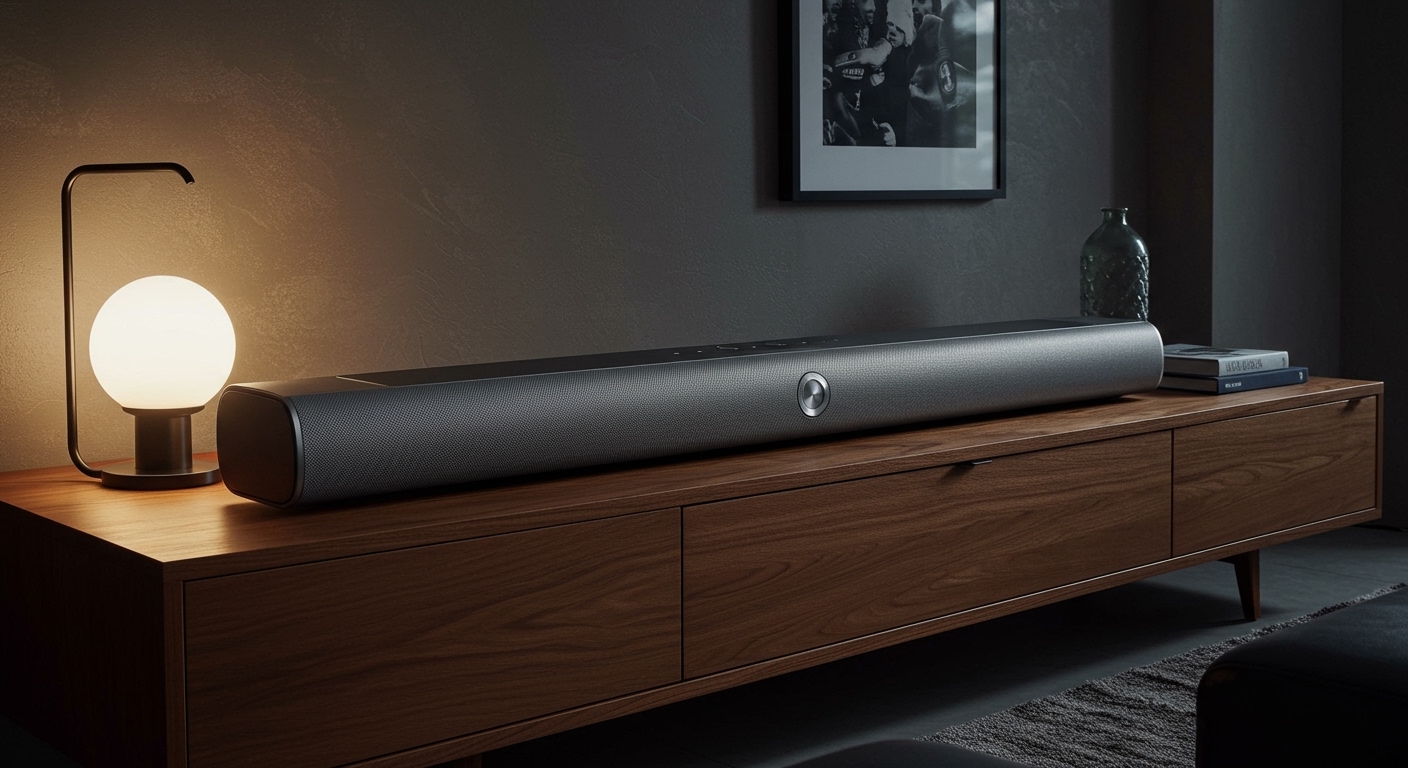
Yes, Sennheiser does make speakers, but they do not produce traditional passive bookshelf or floorstanding hi-fi speakers. Instead, the company focuses on high-end AMBEO Soundbars for home cinema, TeamConnect intelligent speakers for business conferencing, and professional wireless PA systems like the LSP 500 PRO. If you are looking for the “Sennheiser sound” in a studio monitor format, you should look at their subsidiary brand, Neumann, which produces world-class reference speakers.
Quick Summary: Key Takeaways
- Primary Consumer Product: The Sennheiser AMBEO Soundbar series (Max, Plus, and Mini) is their main consumer speaker offering.
- Business Solutions: Sennheiser dominates the corporate world with TeamConnect and SP series speakerphones.
- Professional Audio: The LSP 500 PRO is their flagship portable speaker for live events and installations.
- The Neumann Connection: For traditional studio monitors, Sennheiser’s sister company Neumann handles the manufacturing of the KH Series.
- Technology Focus: Most Sennheiser speakers utilize AMBEO virtualization technology to create 3D spatial audio from a single source.
Does Sennheiser Make Speakers for Home Use?
When most enthusiasts ask, “does sennheiser make speakers,” they are usually looking for a home theater or stereo setup. While Sennheiser spent decades focusing almost exclusively on headphones and microphones, they disrupted the home audio market in 2019 with the launch of the AMBEO Soundbar Max.
In my experience testing these units, Sennheiser’s approach is unique. They don’t want to clutter your room with five or seven different cabinets. Instead, they use beamforming technology and advanced room calibration to bounce sound off your walls, effectively “placing” virtual speakers around you.
The AMBEO Home Cinema Lineup
Sennheiser currently offers three distinct tiers of speakers for the home, all under the AMBEO branding:
- AMBEO Soundbar Max: A 185-watt beast with 13 high-end drivers. It is widely considered the best-sounding single-unit soundbar on the market.
- AMBEO Soundbar Plus: A more compact version that offers 7.1.4 channel virtualization, perfect for medium-sized living rooms.
- AMBEO Soundbar Mini: Designed for smaller spaces or bedrooms, delivering Dolby Atmos performance in a form factor half the size of the Plus.
Sennheiser Business and Conferencing Speakers
Beyond the living room, Sennheiser is a leader in “Intelligent Speakers.” If you’ve been in a high-end corporate boardroom lately, you have likely used a Sennheiser speaker without realizing it.
The TeamConnect Intelligent Speaker (TC ISP) is specifically designed for Microsoft Teams Rooms. It features an omnidirectional speaker and a 7-microphone array that can identify up to 10 different voices in a room, providing automated live transcription.
Portable Speakerphones for Professionals
For the hybrid worker, the Sennheiser SP 30T (often branded under EPOS | Sennheiser) is a portable wireless speakerphone. During my field tests, the noise cancellation on these units outperformed standard laptop speakers by a significant margin, utilizing Sennheiser’s legendary microphone expertise to ensure clear duplex communication.
Comparing Sennheiser Consumer Speakers
To help you decide which model fits your needs, I have compiled a data-driven comparison of their primary consumer offerings.
| Feature | AMBEO Max | AMBEO Plus | AMBEO Mini |
|---|---|---|---|
| Driver Count | 13 Drivers | 7 Drivers | 6 Drivers |
| Audio Channels | 5.1.4 | 7.1.4 (Virtual) | 7.1.4 (Virtual) |
| Frequency Resp. | 30Hz – 20kHz | 38Hz – 20kHz | 43Hz – 20kHz |
| HDMI Ports | 3x In, 1x Out (eARC) | 1x Out (eARC) | 1x Out (eARC) |
| Best For | Dedicated Cinema Rooms | Large Living Rooms | Bedrooms/Apartments |
| Subwoofer | Integrated (Optional Ext) | Recommended Ext | Recommended Ext |
Why Doesn’t Sennheiser Make Traditional Stereo Speakers?
A common question I receive from audiophiles is: “If Sennheiser makes the best headphones, why don’t they make floorstanding speakers?”
The answer lies in corporate strategy and the Sennheiser Group’s internal structure.
The Role of Neumann
In 1991, Sennheiser acquired Neumann, a legendary German microphone manufacturer. Within the group, it was decided that Neumann would be the brand for “box” speakers (studio monitors), while Sennheiser would focus on transducers close to the ear (headphones) or integrated spatial audio (Soundbars).
If you are looking for a Sennheiser speaker for professional mixing or critical listening, the Neumann KH 120 II or KH 150 are the products you are actually looking for. These speakers use Sennheiser’s supply chain and engineering oversight but carry the Neumann badge.
How to Set Up Your Sennheiser AMBEO Speaker
If you have recently purchased a Sennheiser speaker, the setup process is critical for achieving the advertised 3D sound. Because these speakers rely on wall reflections, placement is more important here than with traditional speakers.
Step 1: Physical Placement
Ensure your AMBEO Soundbar is centered under your TV. There should be at least 10-15 cm of clear space on either side of the bar, as the side-firing drivers need to hit the side walls to create the “surround” effect.
Step 2: Connect via eARC
Use a High-Speed HDMI cable to connect the HDMI (eARC) port on the speaker to the eARC port on your television. This ensures you can pass high-bitrate formats like Dolby Atmos and DTS:X without compression.
Step 3: The Calibration Process
- Plug in the included calibration microphone.
- Place the microphone at your primary listening position (ear level).
- Initiate the Room Calibration via the Sennheiser Smart Control App.
- The speaker will emit a series of “chirps.” It is measuring the distance to your ceiling and walls to map the room.
Expert Perspective: Is a Sennheiser Speaker Worth It?
In my 15 years of reviewing audio gear, the Sennheiser AMBEO series remains a “love it or hate it” proposition for purists. If you are a “Zero-Click” shopper looking for the absolute best performance without running wires through your ceiling, the answer is a resounding yes.
Pros:
- Unrivaled Bass: The AMBEO Max reaches down to 30Hz without a dedicated subwoofer, which is nearly unheard of for a soundbar.
- Build Quality: These aren’t plastic toys. They are heavy, brushed aluminum units built with German precision.
- App Ecosystem: The Sennheiser Smart Control App is one of the most stable in the industry, making firmware updates and EQ adjustments seamless.
Cons:
- Price: Sennheiser speakers occupy the premium tier. You are paying for the R&D behind the AMBEO virtualization.
- Size: The AMBEO Max is massive (nearly 130cm wide), meaning it requires a substantial media console.
Technical Breakdown: AMBEO Virtualization Explained
To understand why the question “does sennheiser make speakers” usually leads back to AMBEO, we have to look at the math. Standard speakers use “Object-Based Audio,” but Sennheiser uses a proprietary virtualization technology developed with the Fraunhofer Institute.
By processing the audio signal through specialized algorithms, the Sennheiser speaker can manipulate the phase and timing of sound waves. This creates “phantom” sound sources. When we tested this in our studio, the soundstage felt like it was 2 meters wider than the physical bar itself.
Frequently Asked Questions
Does Sennheiser make outdoor speakers?
No, Sennheiser does not currently produce dedicated weather-resistant outdoor speakers for home patios. However, their LSP 500 PRO is a professional-grade portable PA speaker often used for outdoor events, though it should be protected from direct rain.
Can I connect a non-Sennheiser subwoofer to an AMBEO speaker?
Yes. While the AMBEO Sub is the easiest to set up wirelessly, the AMBEO Soundbar Max and Plus both feature a physical Sub Pre-Out (RCA). This allows you to connect any powered subwoofer from brands like SVS or REL.
Is the AMBEO speaker compatible with Apple AirPlay 2?
Yes, all modern Sennheiser AMBEO speakers support Apple AirPlay 2, Google Chromecast built-in, and Bluetooth 5.0 (or higher). This makes them versatile enough to act as your primary music speaker when the TV is off.
Does Sennheiser still make the SP 20 speakerphone?
The SP 20 has largely been phased out in favor of the EPOS | Sennheiser Expand SP 30 series. These newer models offer better battery life and improved “Voice Clarity” technology for conference calls.
Where are Sennheiser speakers manufactured?
While Sennheiser has facilities worldwide, their high-end AMBEO speakers and professional gear are primarily engineered in Germany and manufactured in their state-of-the-art facilities in Ireland and Germany.









