

How Are TED Talk Speakers Chosen? The Core Selection Process
How are TED Talk speakers chosen? Speakers are primarily selected through a rigorous nomination process, direct talent scouting by the TED curation team, and the TEDx ecosystem. The selection is based on the concept of an “Idea Worth Spreading,” prioritizing the novelty and impact of the message over the speaker’s fame or professional status.
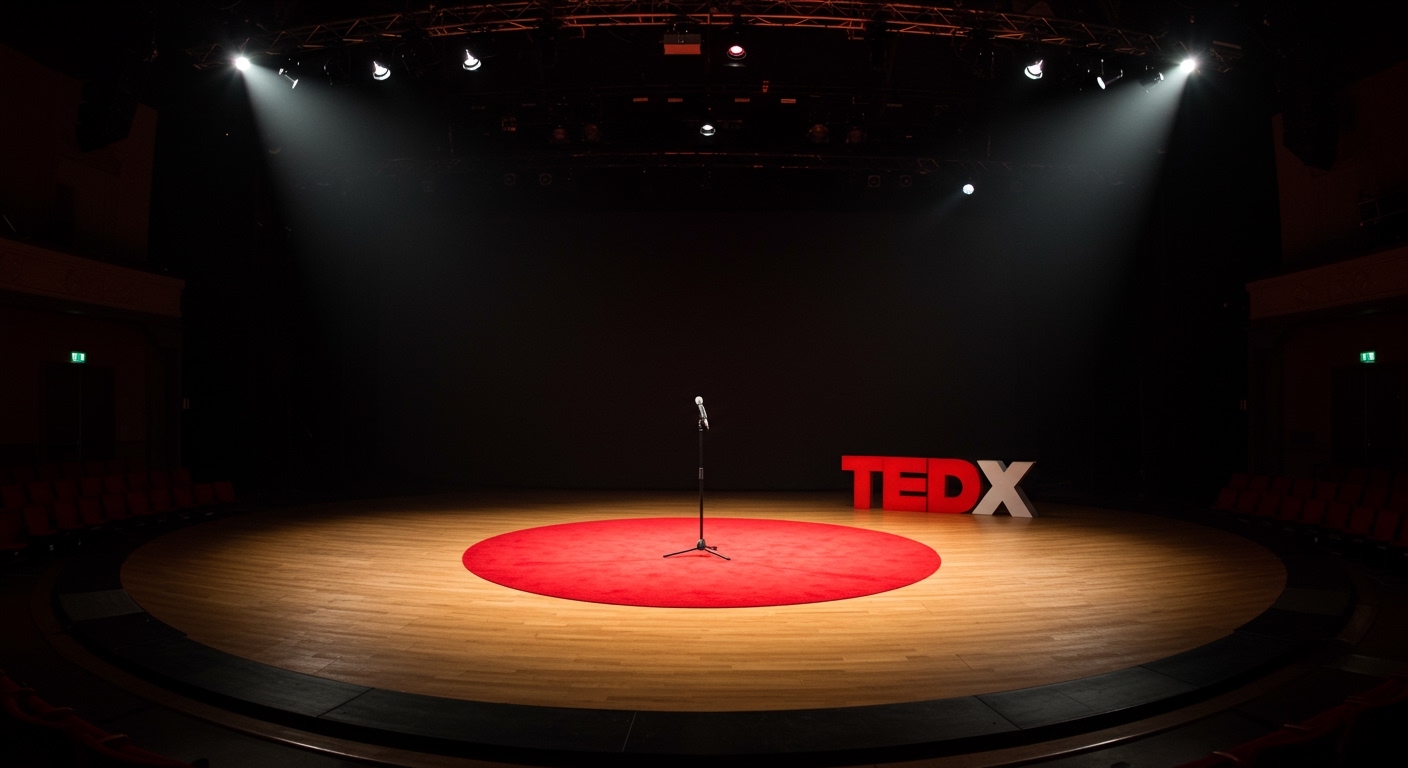
Most people assume you need a massive social media following or a Nobel Prize to grace the TED stage. In our experience working with public speakers and analyzing the TED curation cycle, we’ve found that the “Idea” is the true hero. Whether you are a scientist with a breakthrough discovery or a teacher with a unique classroom strategy, the path to the red carpet involves meeting strict thematic requirements and passing multiple rounds of internal review.
Key Takeaways: How TED Selects Its Speakers
- Content Over Fame: TED prioritizes “Ideas Worth Spreading” rather than a speaker’s existing platform.
- Three Main Paths: Most speakers enter via online nominations, direct invitations, or by excelling at local TEDx events.
- Continuous Scouting: The TED curation team travels year-round to find hidden voices in niche industries.
- Evidence-Based: Every claim must be backed by scientific data or verifiable research to pass the vetting process.
- No Pay-to-Play: TED does not charge speakers to appear, nor do they pay speaker fees (though they cover travel and lodging).
The Three Main Paths to the TED Stage
The question of how are TED talk speakers chosen usually leads to three distinct avenues. Our research shows that the curation team uses a “top-down” and “bottom-up” approach to ensure diversity of thought.
The Open Nomination Process**
Anyone can nominate a speaker—including themselves. The TED website hosts a permanent nomination form. We have observed that self-nominations are successful only when the applicant can prove their idea is unique, actionable, and timely.
Direct Talent Scouting**
The TED curation team, led by figures like Chris Anderson and Helen Walters, actively scouts global conferences, academic journals, and viral videos. They look for “quiet” experts who are doing groundbreaking work but haven’t yet reached a mainstream audience.
The TEDx “Farm System”**
Many mainstage TED speakers begin at TEDx events. These are independently organized local events that follow the same format. If a TEDx talk goes viral or demonstrates exceptional quality, the global TED team often invites that speaker to the main event in Vancouver.
| Selection Path | Best For | Level of Competition | Primary Requirement |
|---|---|---|---|
| Self-Nomination | Niche experts & researchers | Extremely High | A “World-First” idea or perspective |
| TEDx Transition | Local leaders & storytellers | Moderate | High performance at local level |
| Direct Scouting | Industry pioneers | Low (Invite Only) | Global impact and proven expertise |
| Partner Events | Corporate innovators | High | Alignment with partner themes |
What Makes an “Idea Worth Spreading”?
When evaluating how are TED talk speakers chosen, you must understand the “Idea Worth Spreading” filter. The curators aren’t looking for a “good talk”; they are looking for a paradigm shift.
The Curation Filter: 4 Essential Pillars
- Novelty: Is this something we haven’t heard before? Even if the topic is common (like “leadership”), the angle must be revolutionary.
- Utility: Can the audience do something with this information? The best talks provide a new “lens” through which to see the world.
- Proof: TED has strict Science Standards. Any talk involving health, psychology, or physics must be peer-reviewed and free from “pseudoscience.”
- Narrative Arc: We’ve found that curators favor speakers who can weave data into a compelling personal story.
The Step-by-Step Selection Timeline
If you are wondering about the mechanics of how are TED talk speakers chosen, the timeline typically spans 6 to 12 months before the actual conference.
Step 1: The Initial Review
The curation team reviews thousands of nominations. They look for a clear thesis statement. If your idea can’t be explained in one sentence, it is usually rejected here.
Step 2: The Interview & Vetting
Potential speakers are often interviewed via video call. The curators are looking for authenticity. They want to ensure the speaker isn’t just a “professional orator” but someone who actually lives the work they are describing.
Step 3: Theme Alignment
Every TED Conference has a theme (e.g., “The Brave and the Brilliant”). Speakers are chosen based on how their specific idea fits into the broader narrative mosaic of the event.
Step 4: Fact-Checking
TED employs a dedicated team of fact-checkers. They will scrutinize your citations, your background, and the validity of your claims. This is where many “motivational” speakers fail the selection process.
Expert Tips: How to Get Noticed by TED Curators
In our years of analyzing public speaking trends, we have identified specific strategies that increase the odds of being selected.
- Focus on the “Small” Idea: Don’t try to solve “World Hunger.” Instead, talk about “A New Way to Distribute Grain Using Blockchain.” Specificity wins.
- Build a Digital Footprint: Curators search for your previous work. Ensure your LinkedIn, personal website, or YouTube presence reflects your expertise.
- Avoid the “Pitch”: Never approach TED with a sales pitch. If you are trying to sell a book, a product, or a coaching program from the stage, you will be disqualified.
- Leverage Local TEDx: Use the TEDx searchable database to find local events. Winning a local stage is the most reliable way to get on the radar of the global team.
Why Some Great Speakers Are Rejected
Understanding how are TED talk speakers chosen also means knowing why people are turned away. Even brilliant minds are often rejected for the following reasons:
The “Professional Speaker” Trap
TED often avoids “keynote speakers” who have a polished, rehearsed routine they perform at every corporate event. They prefer “raw” experts—people who might be nervous but are deeply passionate about their specific field.
Lack of Evidence (The Pseudoscience Rule)
TED has faced criticism in the past for “fringe” ideas. Consequently, they now have a zero-tolerance policy for:
- Unproven medical cures.
- Claims that defy the laws of physics.
- Oversimplified “hacks” for complex psychological issues.
Over-Saturation
If the curation team has already booked a talk on “AI Ethics,” they likely won’t book another one for that year, no matter how good the second speaker is. Timing is a massive factor in selection.
TED vs. TEDx: How Selection Differs
While the core philosophy is the same, the selection criteria vary between the main TED stage and local TEDx events.
Mainstage TED (Global)
- Selection: Hand-picked by the central TED team in New York/Vancouver.
- Focus: Global impact and “world-class” breakthroughs.
- Preparation: Includes months of speech coaching and script refinement with TED staff.
TEDx (Local)
- Selection: Chosen by local volunteers and organizers in specific cities (e.g., TEDxLondon, TEDxTokyo).
- Focus: “Local voices” and community-based solutions.
- Preparation: Varies by event; some provide intense coaching, others are more hands-off.
Frequently Asked Questions (FAQ)
Do you have to be famous to be a TED speaker?
No. While celebrities like Bill Gates or Brené Brown appear, a large percentage of speakers are academics, students, and community activists who were previously unknown to the general public.
How much does it cost to apply for a TED talk?
It is 100% free to nominate yourself or someone else for a TED talk. Beware of any “consultants” who claim they can guarantee a spot for a fee; TED does not have a “pay-for-play” model.
Can I apply to multiple TEDx events at once?
Yes. You can apply to as many TEDx events as you like. However, we recommend tailoring your application to the specific theme of each local event to increase your chances.
How long does the selection process take?
The process usually takes between 3 to 9 months. If you are nominated for a mainstage event, you will typically know at least half a year in advance to allow for rigorous preparation.
**
**
**
**









