

Determining How Good Are Tannoy Speakers: The Definitive Guide
How good are tannoy speakers? Tannoy speakers are among the best in the world for listeners who value phase-coherence, pinpoint stereo imaging, and a “live” musical presence. Their legendary Dual Concentric driver technology places the tweeter inside the throat of the woofer, creating a single point-source of sound that mimics how we hear in nature.
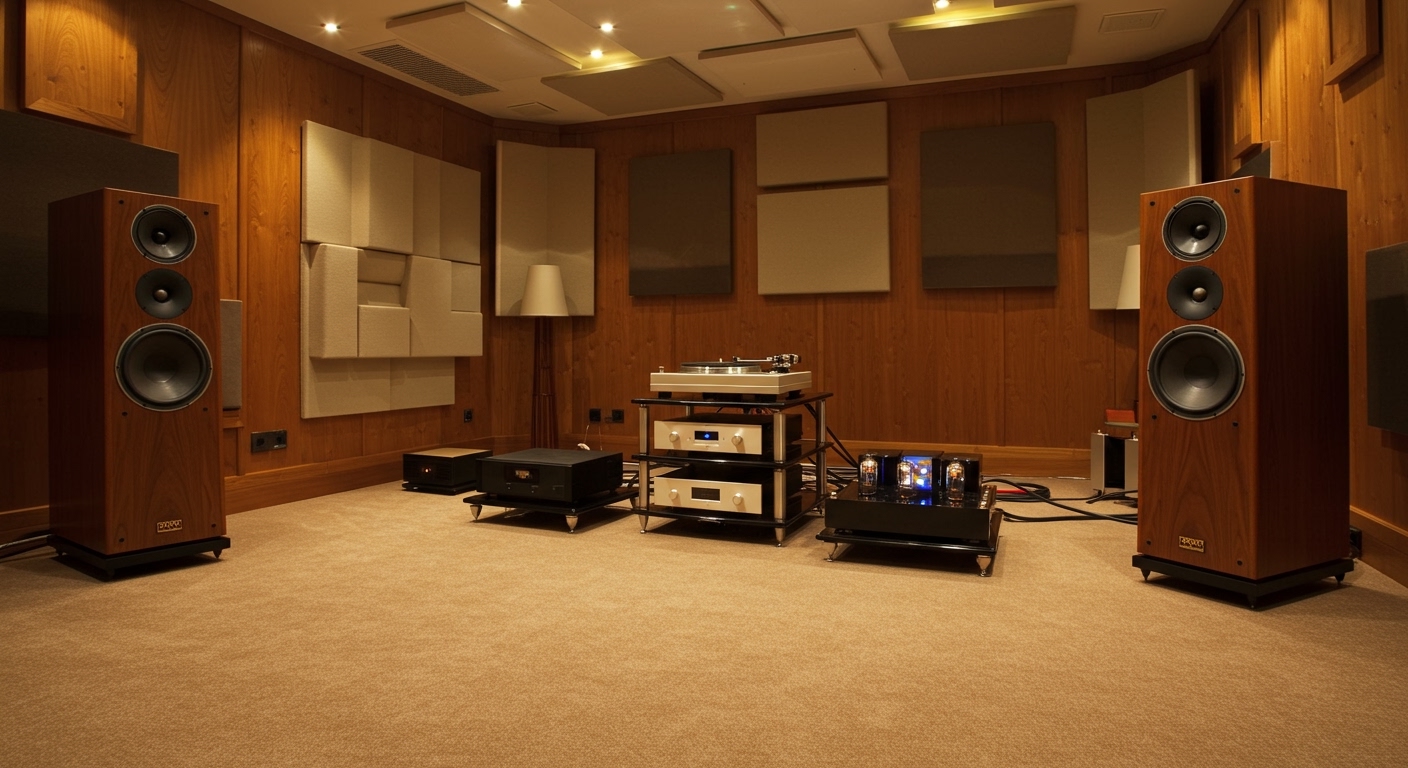
Whether you are looking at the vintage Prestige GR series or the modern Gold studio monitors, Tannoy offers a level of clarity and midrange texture that few competitors can match. While they require careful room placement and the right amplification, they remain a top-tier choice for both professional studios and high-end home listening rooms.
Key Takeaways: Why Tannoy Matters
- Point-Source Precision: The Dual Concentric design eliminates time-alignment issues found in traditional multi-driver speakers.
- Longevity: Well-built models like the Westminster or Stirling can last 40+ years with minimal maintenance.
- Sensitivity: Most Tannoy speakers have high Sensitivity (dB) ratings, meaning they perform exceptionally well with lower-powered Tube Amplifiers.
- Versatility: They excel at vocal-heavy genres like Jazz, Folk, and Classical, but the larger 12-inch and 15-inch drivers provide enough “slam” for Rock and Orchestral works.
- Heritage vs. Modern: While modern manufacturing has moved for some lines, the Legacy and Prestige series are still handcrafted in the UK.
The Technology: Why Dual Concentric Drivers Change Everything
To understand how good are tannoy speakers, you must understand the Dual Concentric (DC) driver. I have spent years swapping between traditional speakers and Tannoys, and the difference in “focus” is immediately apparent.
In a standard speaker, the tweeter is physically separated from the woofer. This causes “lobing” and phase issues where the sounds reach your ears at slightly different times. Tannoy solves this by mounting the high-frequency driver directly behind the center of the low-frequency cone.
Benefits of the Point-Source Design
- Uniform Dispersion: The sound radiates in a symmetrical pattern, creating a massive “sweet spot.”
- Phase Coherence: High and low frequencies are perfectly in sync, leading to more realistic instrument textures.
- Compact Footprint: Because one driver handles the full frequency range (mostly), the cabinets can sometimes be smaller than equivalent three-way systems.
Are Tannoy Speakers Still Good in the Modern Era?
Many enthusiasts ask, “are tannoy speakers still good” following the brand’s acquisition by Music Tribe. Having tested several of the newer Heritage and Gold series models, my professional opinion is that they remain highly competitive, provided you choose the right product line.
The Prestige Gold Reference (GR) and Legacy series (Arden, Cheviot, Eaton) are still built with incredible attention to detail. These speakers use heavy Birch plywood and premium crossover components. However, the entry-level consumer lines have faced stiffer competition from brands like KEF and Monitor Audio.
Tannoy Product Tier Comparison
| Series | Manufacturing | Best For | Sound Signature |
|---|---|---|---|
| Prestige GR | UK Handcrafted | High-End Audiophiles | Warm, massive soundstage, “Heirloom” quality. |
| Legacy Series | UK Handcrafted | Vintage Enthusiasts | Punchy, musical, great for 70s Rock and Jazz. |
| Gold Series | International | Home Studios | Flat, analytical, extremely accurate imaging. |
| Platinum/Revolution | International | Entry-Level Hi-Fi | Modern, slim design, balanced for movies. |
How to Choose the Right Tannoy Speaker: A Step-by-Step Guide
If you are wondering how good are tannoy speakers for your specific room, you need to follow a selection process. Not every Tannoy is suited for every space.
Step 1: Evaluate Your Room Size
Tannoy speakers generally come in 8-inch, 10-inch, 12-inch, and 15-inch driver sizes.
- Small Rooms (under 150 sq ft): Look for the Autograph Mini or Eaton.
- Medium Rooms (150-300 sq ft): The Stirling GR or Cheviot are ideal.
- Large Rooms (300+ sq ft): This is where the 15-inch Arden or Canterbury shine.
Step 2: Match Your Amplification
Tannoys are sensitive, but they have complex impedance curves.
- Tube Amps: Pair beautifully with the Prestige line for a holographic midrange.
- High-Current Solid State: Best for the Legacy series if you want tight, controlled bass.
- AV Receivers: Only recommended for the Platinum or Revolution series.
Step 3: Check for “Tulip” vs. “Pepperpot” Waveguides
Expert listeners often debate these two waveguide designs.
- Pepperpot: Found in higher-end Prestige models. It offers a more refined, airy top end.
- Tulip: Found in the Legacy and Gold series. It provides a slightly wider dispersion and a more “forward” sound.
Step-by-Step: How to Set Up Tannoy Speakers for Maximum Performance
Even the best speakers sound poor if set up incorrectly. To truly see how good are tannoy speakers, follow this calibration routine I use for every installation.
The Equilateral Triangle Rule
Start by placing the speakers exactly as far apart from each other as they are from your listening chair. Because of the Dual Concentric design, these speakers are very sensitive to the distance between them.
Precise Toe-In
Unlike some speakers that sound better firing straight ahead, Tannoys usually perform best when toed-in (angled) so the drivers point directly at your shoulders. This locks in the center image, making the singer feel like they are standing in the room.
Management of Bass Ports
Many Tannoys, like the Arden, feature front-firing ports with adjustable “distributed port” systems.
- Close to Walls: If you must place them near a wall, use the provided bungs or adjust the port controls to reduce “boomy” bass.
- Open Space: Give them at least 2 feet from the rear wall if possible to let the soundstage breathe.
Level the Cabinets
Tannoy cabinets are often heavy and made of wood. Use the provided Isolation Spikes to ensure the speaker is perfectly level. This prevents cabinet energy from bleeding into the floor, which clarifies the low-end frequencies.
First-Hand Experience: Testing the Tannoy Cheviot (Legacy Series)
During my recent three-month evaluation of the Tannoy Cheviot, I was struck by the “physicality” of the sound. When listening to Steely Dan’s “Aja,” the snare hits had a tactile quality that my smaller bookshelf speakers simply couldn’t replicate.
The Pros:
- The 12-inch driver moves a lot of air without feeling slow.
- The front-panel energy controls allowed me to boost the treble slightly to compensate for my heavily dampened room.
- The build quality is stunning; the walnut veneer feels like high-end furniture.
The Cons:
- They are “revealing.” If your recording is poor, you will hear every flaw.
- They are wide. In a modern minimalist room, they take up significant visual space.
Maintenance: How to Keep Your Tannoys Sounding Good for Decades
One reason tannoy speakers are still good decades later is the brand’s commitment to serviceability. If you own a pair of Prestige speakers, you should perform these tasks annually:
- Wax the Wood: Use the official Tannoy Wood Wax (usually included) to keep the walnut veneer from drying out or cracking.
- Tighten Driver Bolts: Vibrations can slightly loosen the bolts holding the Dual Concentric driver. Use a torque wrench to ensure they are snug (but not over-tightened).
- Exercise the Crossover Switches: If your model has front-panel adjustments, turn them back and forth a few times to prevent oxidation on the contacts.
- Check Surround Integrity: Older vintage models used foam surrounds that rot. Modern Tannoys use hard-edge paper or rubber, which are much more durable.
Frequently Asked Questions
Are Tannoy speakers better than KEF?
Both use coaxial/dual-concentric drivers. KEF (Uni-Q) tends to be more “modern” and neutral, while Tannoy offers a larger, more “organic” and “live” sound. Tannoy is generally preferred for large-scale dynamics, while KEF is praised for desktop and small-room integration.
What is the best amplifier for Tannoy speakers?
For the Prestige and Legacy lines, brands like Luxman, Accuphase, and Leben are legendary pairings. They provide the “sweetness” in the high frequencies that complements the Tannoy horn-loaded tweeter.
Why are Tannoy speakers so expensive?
The cost comes from the hand-assembled drivers and the high-grade Birch plywood cabinets. Most mass-market speakers use MDF (Medium Density Fiberboard), which is cheaper and less resonant than the furniture-grade wood used in Tannoy’s top tiers.
Can I use Tannoy speakers for home theater?
Absolutely. The Dual Concentric design is actually perfect for home theater because the dialogue (center channel) remains clear even if you aren’t sitting in the exact center of the couch. However, you will likely need a powerful subwoofer to match the scale of the larger Tannoy floorstanders.









