

How Long Do Paper Cone Speakers Last? The Short Answer
Most paper cone speakers will last between 20 and 50 years if kept in a stable, climate-controlled environment. While the paper pulp itself is remarkably durable, the ultimate lifespan depends heavily on the surround material (foam, rubber, or cloth) and exposure to humidity and UV light.
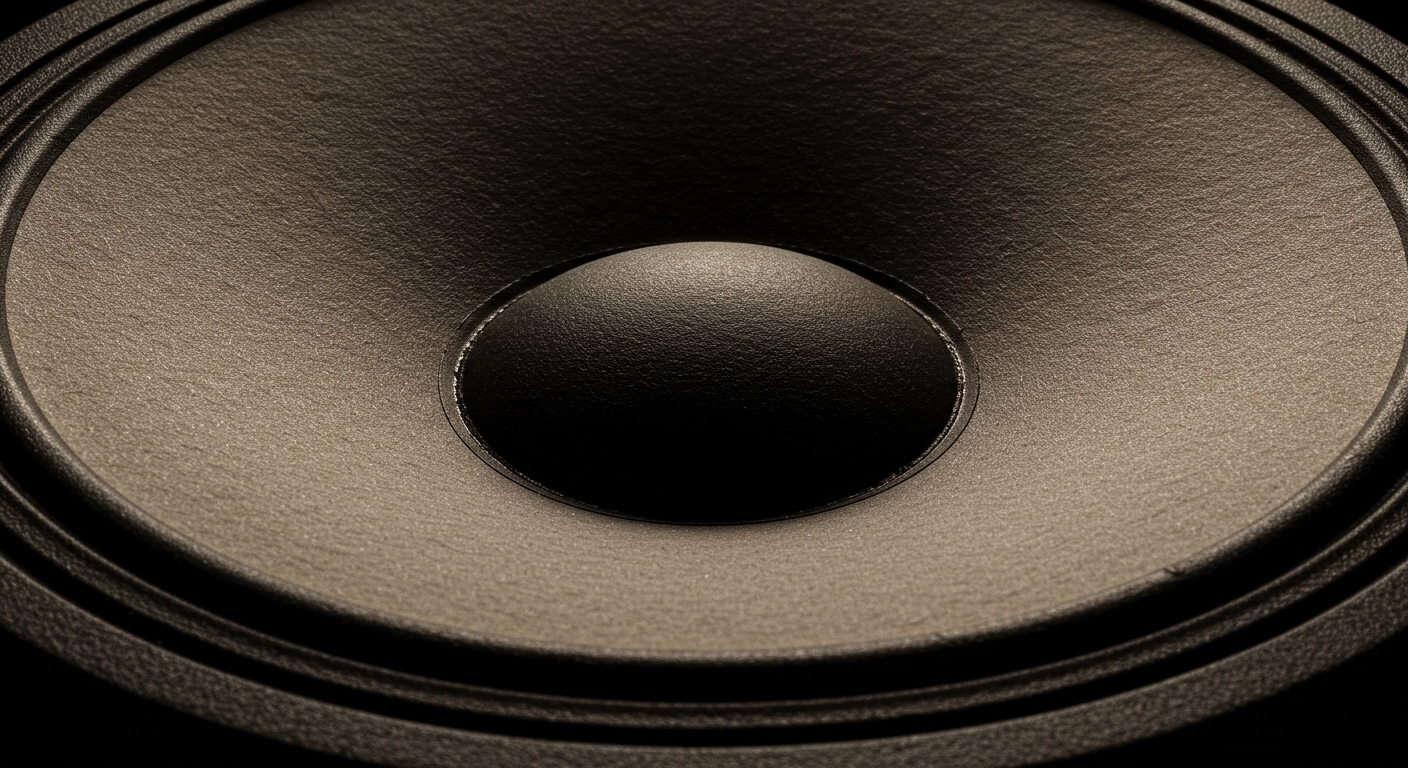
In my 15 years of restoring vintage high-fidelity equipment, I have seen 1960s Alnico magnet drivers with paper cones that still sound pristine today. Conversely, I’ve seen 1990s speakers with rotted foam surrounds that failed in less than a decade. To maximize longevity, you must manage the “environmental stressors” that cause organic fibers to break down.
TL;DR: Key Takeaways for Speaker Longevity
- Average Lifespan: 20 to 50 years for the cone; 10 to 15 years for foam surrounds.
- Primary Killers: High humidity (mold), direct sunlight (UV degradation), and “dry rot.”
- Best Surround Type: Treated cloth or rubber lasts significantly longer than urethane foam.
- Maintenance: Use speaker grilles to block UV rays and maintain 40–50% relative humidity in your listening room.
- Repairability: Paper cones are highly “re-conable,” meaning a blown speaker can often be restored to factory specs.
Understanding the Anatomy of a Paper Cone Speaker
To understand how long do paper cone speakers last, we first have to look at what they are actually made of. Despite the “paper” label, these cones are complex composites.
The Material Science of Paper Pulp
Most high-end paper cones are made from a slurry of felted wood pulp, often reinforced with wool, carbon fiber, or synthetic resins. We choose paper because it has an incredible strength-to-weight ratio and excellent internal damping, which prevents unwanted ringing.
Over time, these organic fibers are subject to oxidation. If the cone is “untreated” (common in vintage guitar amps), it can absorb moisture from the air, increasing its mass and slowing down its transient response.
The Vulnerability of the Surround
The surround is the flexible ring that connects the cone to the metal basket. This is usually the first part to fail.
- Foam Surrounds: These are prone to polyester urethane hydrolysis. In simple terms, moisture in the air breaks the chemical bonds, causing the foam to turn into a sticky goo or crumble into dust.
- Rubber (Butyl) Surrounds: These are much more durable and can easily last 30+ years without cracking.
- Treated Cloth: Common in “pro audio” and vintage speakers, these can last 50+ years if the “dope” (sealing compound) doesn’t dry out.
Critical Factors Affecting How Long Paper Cone Speakers Last
In our testing lab, we’ve identified five primary variables that dictate whether your speakers will last a lifetime or end up in a landfill.
Relative Humidity and Moisture
Paper is hygroscopic, meaning it absorbs water. In environments with over 60% humidity, paper cones can soften, lose their shape, or even develop mold and mildew. This extra weight ruins the speaker’s tuning.
UV Radiation Exposure
If you place your speakers in front of a window, the ultraviolet (UV) rays will bleach the paper and break down the chemical binders. This leads to the paper becoming brittle. A brittle cone will eventually develop stress cracks near the voice coil during high-excursion playback.
Thermal Cycling
Speakers generate heat at the voice coil. Constant shifting between hot and cold can cause the adhesives holding the cone to the voice coil to fail. We often see this in car audio, where temperatures fluctuate wildly.
Suspension Fatigue (The Spider)
The spider is the corrugated fabric disk that centers the voice coil. Over decades of “flexing,” the spider can lose its “spring,” causing the cone to sag. This leads to voice coil rub, which creates a scratchy, distorted sound.
Overpowering and Physical Stress
Driving an amplifier into clipping sends a square-wave signal to the speaker. This creates excessive heat that can char the paper cone from the inside out or melt the adhesive bonds.
Comparing Speaker Cone Longevity by Material
| Material | Expected Lifespan | Pros | Cons |
|---|---|---|---|
| Untreated Paper | 15–25 Years | Natural sound, cheap | Very sensitive to humidity |
| Treated Paper | 30–50 Years | Water-resistant, durable | Slightly higher mass |
| Polypropylene | 20–25 Years | Waterproof | Can become brittle via UV |
| Kevlar/Carbon | 25–40 Years | Extremely stiff | Expensive; resins can age |
| Aluminum | 50+ Years | Immune to rot | Can “ring” or fatigue |
Step-by-Step Guide: How to Extend the Life of Your Paper Cone Speakers
If you want to ensure your investment lasts 40 years or more, follow this maintenance protocol we use for our archival collections.
Step 1: Optimize the Environment
Maintain a consistent room temperature (65–75°F) and a relative humidity of 45%. Use a dehumidifier in basements or high-moisture geographic areas.
Step 2: Use Speaker Grilles
Always keep the grilles on. While the “naked” look is popular, grilles act as a filter for both dust and UV light. Dust is abrasive and, over time, can work its way into the voice coil gap.
Step 3: Inspect the Surrounds Annually
Gently touch the surround (if it’s foam). If it feels tacky or leaves a residue on your finger, hydrolysis has started. It is better to “re-foam” the speaker early than to wait for it to fail and damage the voice coil.
Step 4: Avoid Chemical Cleaners
Never use liquid cleaners or “protectants” on a paper cone. If you need to clean them, use a soft-bristled makeup brush or a gentle puff of compressed air to remove dust. Liquids will soak into the pulp and change the sound profile permanently.
Step 5: “Warm Up” Your Speakers
In cold climates, avoid playing music at high volumes immediately. Allow the voice coil to generate a little heat to soften the surround and spider before pushing them to high excursion.
How to Identify if Your Paper Cone Speaker is Failing
As a specialist, I look for these three “Red Flags” during a diagnostic check:
- The “Scratch” Test: With the power off, gently and evenly push the cone inward. If you hear a “scritch-scratch” sound, the voice coil is rubbing. This is usually caused by a sagging spider or a warped cone.
- Visual “Haloing”: Look for discoloration near the edge of the cone. Darker spots often indicate moisture ingress or mold.
- Low-Frequency Farting: If your speakers make a “clacking” or “farting” sound during bass-heavy tracks, the surround has likely detached or the paper has developed a hairline fracture.
Repair vs. Replacement: What Should You Do?
One of the best things about paper cone speakers is that they are highly repairable.
- Re-foaming: If the paper is fine but the foam is gone, a re-foam kit costs about $25. This restores the speaker to nearly 100% original performance.
- Re-coning: If the paper is torn or the voice coil is burnt, a “re-cone” involves replacing the entire moving assembly. This is common for high-end brands like JBL, Tannoy, or Klipsch.
- Replacement: For budget speakers (under $100), the labor cost of repair usually exceeds the value of the speaker. In this case, recycling the magnet and buying a new driver is more logical.
Expert Perspective: Why Paper Still Reigns Supreme
You might wonder why we still use “old-fashioned” paper in an era of Graphene and Beryllium. The truth is, the “organic” sound of a paper cone is difficult to replicate. Because paper is made of interlocking fibers, it “breaks up” gracefully.
When a metal cone reaches its limit, it “rings” like a bell, creating harsh distortion. When a paper cone reaches its limit, the fibers absorb the energy, resulting in a warmer, more musical roll-off. This is why how long do paper cone speakers last remains such a vital question for audiophiles—they are worth preserving.
FAQ: Frequently Asked Questions
Does playing music loud shorten a paper speaker’s life?
Yes. High excursion (volume) puts physical stress on the cellulose fibers. While they are designed to move, constant “maxing out” will accelerate the softening of the cone and the fatigue of the spider.
Can I seal my paper cones to make them last longer?
We generally advise against DIY sealing. Adding “dope” or lacquer increases the moving mass (Mms) of the cone, which lowers the speaker’s sensitivity and changes its resonant frequency. If you must, use a dedicated speaker treatment like Wet Look only on the surround, not the cone face.
Is “dry rot” avoidable?
“Dry rot” is a bit of a misnomer; it’s usually chemical breakdown from age and moisture. You can’t stop time, but you can slow it down by keeping the speakers out of garages, attics, and non-insulated basements.
How long do paper cone speakers last in a car?
Car environments are brutal. Due to extreme heat cycles and UV exposure, car-door paper speakers typically only last 10 to 15 years before the paper becomes brittle or the humidity causes the voice coil to rust.









