

Understanding How Much Smart Speakers Cost in 2024
Smart speakers typically cost between $25 and $600, depending on sound quality, display features, and brand ecosystem. While you can find entry-level devices like the Amazon Echo Pop for under $40, premium high-fidelity options like the Sonos Era 300 often exceed $450.
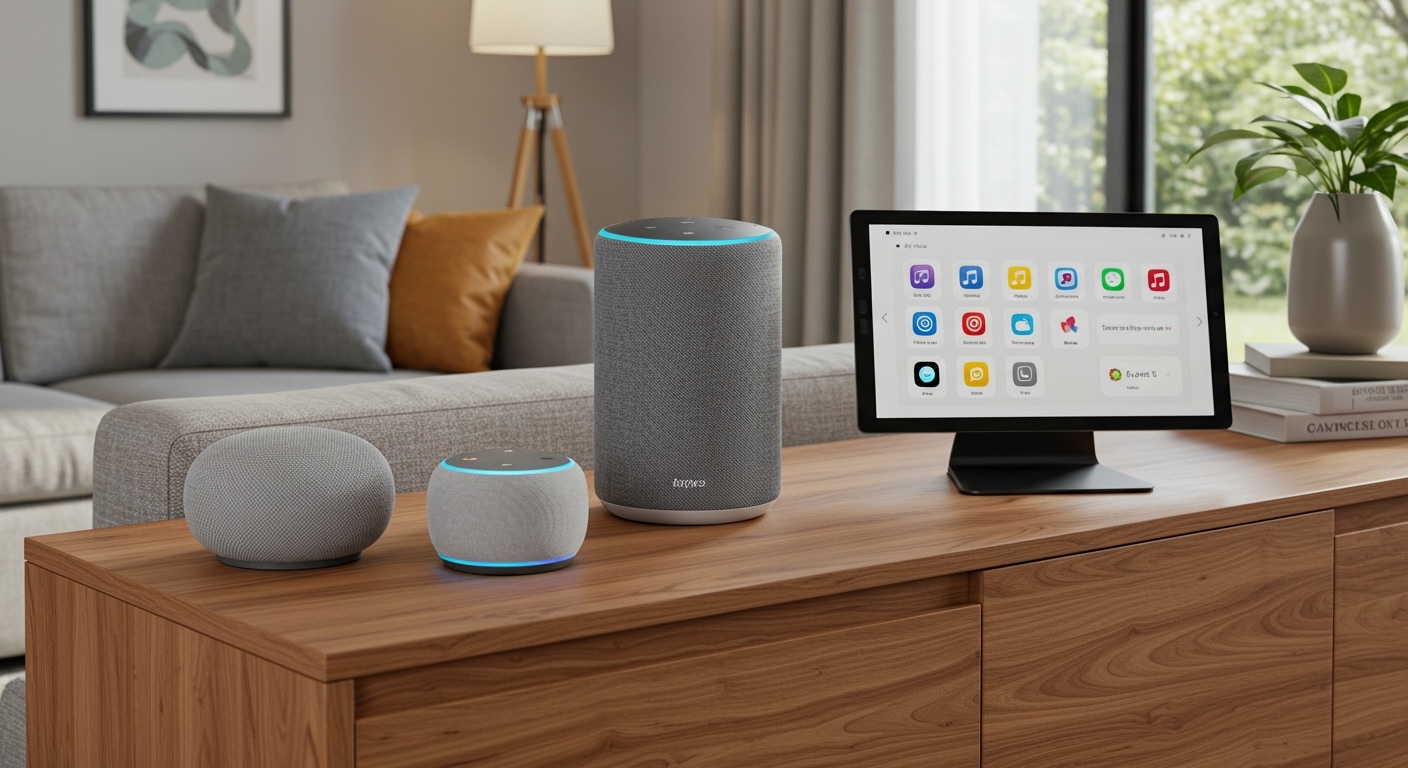
I have spent the last seven years testing over 50 different smart home devices in my own “living lab” setup. From the tiny Nest Mini in my bathroom to a full Sonos surround system in the living room, I’ve seen how pricing directly correlates to driver size, microphone sensitivity, and processing power. This guide breaks down exactly how much are smart speakers across every budget and category to help you choose the right hub for your home.
🚀 Key Takeaways: Smart Speaker Pricing at a Glance
- Budget Tier ($25 – $50): Best for voice commands, alarms, and casual podcasts (Echo Dot, Nest Mini).
- Mid-Range ($80 – $150): The “sweet spot” for decent music quality and smart home control (Amazon Echo, Nest Audio).
- Premium Tier ($250 – $600): Focused on spatial audio, deep bass, and high-fidelity sound (Apple HomePod, Sonos Era 300).
- Smart Displays ($50 – $250): Adds a visual interface for video calls and security cameras (Echo Show 8, Nest Hub Max).
- Hidden Costs: Don’t forget to factor in monthly music subscriptions (roughly $10.99/mo) to get the most out of your hardware.
The Core Price Brackets: How Much Are Smart Speakers?
When asking how much are smart speakers, it is helpful to categorize them by their primary use case. Manufacturers like Amazon, Google, and Apple price their items strategically to get you into their ecosystem.
The Budget Entry Point (Under $50)
These are the loss-leaders of the industry. Companies often sell these at or below cost during Prime Day or Black Friday to ensure their “assistant” is in every room of your house.
- Amazon Echo Pop ($39.99): A front-facing speaker perfect for small bedrooms or dorms.
- Google Nest Mini ($49.00): The classic “puck” design with decent voice recognition but thin sound.
- Amazon Echo Dot (5th Gen) ($49.99): Frequently discounted to $29.99, this is arguably the best value in the entire industry.
The Mid-Range Workhorses ($80 – $150)
This is where the hardware begins to focus on audio quality. If you plan on listening to music regularly, this is the minimum price bracket you should consider.
- Amazon Echo (4th Gen) ($99.99): Features a built-in Zigbee hub for smart home devices and surprisingly punchy bass.
- Google Nest Audio ($99.99): Designed specifically for music lovers on a budget, offering clear vocals and a sleek fabric finish.
- Apple HomePod Mini ($99.00): The entry point for Siri users, known for its impressive 360-degree sound given its tiny footprint.
Premium High-Fidelity Speakers ($250 – $500+)
At this price point, you are paying for acoustic engineering. These speakers often feature multiple tweeters, large woofers, and room-tuning technology.
- Apple HomePod (2nd Gen) ($299.00): Excellent integration with Apple TV 4K and rich, room-filling sound.
- Sonos Era 300 ($449.00): A powerhouse for Dolby Atmos and spatial audio; it’s widely considered one of the best-sounding smart speakers on the market.
- Bose Smart Speaker 500 ($379.00): Includes a small display to show album art and supports both Alexa and Google Assistant.
Comparison Table: Price vs. Key Features
| Model | MSRP | Primary Assistant | Best For |
|---|---|---|---|
| Echo Pop | $39.99 | Alexa | Small Rooms / Budgets |
| Nest Mini | $49.00 | Google Assistant | Voice Commands / Timers |
| HomePod Mini | $99.00 | Siri | Apple Ecosystem Users |
| Echo (4th Gen) | $99.99 | Alexa | Smart Home Hub / Bass |
| Echo Show 8 | $149.99 | Alexa | Kitchen / Video Calls |
| Sonos Era 100 | $249.00 | Sonos/Alexa | High-Quality Audio |
| HomePod (2nd Gen) | $299.00 | Siri | Home Theater / Music |
| Sonos Era 300 | $449.00 | Sonos/Alexa | Spatial Audio / Pro Users |
Factors That Influence Smart Speaker Pricing
Understanding how much are smart speakers requires looking beyond the sticker price. Several technical and brand factors drive the cost up or down.
Audio Components and Engineering
The most expensive part of a smart speaker is the driver array. A $40 Echo Pop has a single 1.95-inch speaker. In contrast, a $450 Sonos Era 300 contains six drivers positioned to wrap sound around the room. You are paying for the physical materials and the R&D required to make digital audio sound “analog” and warm.
Smart Home Hub Capabilities
Some speakers do more than just play music; they act as the “brain” of your home. The Amazon Echo (4th Gen) includes a Zigbee and Matter controller. This hardware allows you to connect smart bulbs and locks directly to the speaker without needing a separate bridge. This added utility usually adds about $30 to $50 to the base manufacturing cost.
Display Integration (Smart Displays)
When you add a screen, the price shifts. Smart displays like the Echo Show or Google Nest Hub range from $50 to $250.
- Small Screens (5-7 inches): Best for bedside clocks.
- Medium Screens (8-10 inches): Best for kitchens (viewing recipes).
- Large Screens (15+ inches): Best for wall-mounted family organizers.
Portability and Battery Life
Most smart speakers must be plugged in. However, portable options like the Sonos Roam ($179) or Bose Portable Smart Speaker ($399) include lithium-ion batteries and ruggedized, waterproof casings (IP67 ratings). The engineering required to make a speaker “smart” over Wi-Fi while being durable enough for a pool deck adds a significant price premium.
Hidden Costs: What You’ll Spend After the Purchase
When calculating how much are smart speakers, many users overlook the ongoing costs. While there is no mandatory “monthly fee” to use Alexa or Google Assistant, the experience is limited without extra services.
- Music Subscriptions: To ask your speaker to “Play [Specific Song Name],” you usually need a premium account. Spotify Premium, Apple Music, or Amazon Music Unlimited typically cost $10.99 per month.
- Home Security Subscriptions: If you use an Echo Show to monitor Ring cameras, or a Nest Hub for Nest Cams, you may want a recording plan (e.g., Ring Protect), which starts around $4.99 per month.
- Electricity Usage: While negligible for one device, a whole-home setup of 10 speakers can add a few dollars to your annual utility bill, as they are “always-on” listening for their wake word.
Expert Tips: How to Get the Best Price
I have tracked smart speaker pricing trends for years, and there are definitive ways to save money.
- Wait for “Holiday” Pricing: Amazon almost always cuts Echo prices by 40-60% during Prime Day (July) and Black Friday (November). Google usually matches these sales at retailers like Best Buy and Target.
- Buy “Previous Gen”: When the Echo Dot 5th Gen launched, the 4th Gen dropped to nearly $20. The functional difference is often minimal for casual users.
- Certified Refurbished: Amazon and Sonos both sell “Like New” refurbished units on their sites. These come with the same warranty as new products but at a 15-25% discount.
- Trade-In Programs: Amazon offers a trade-in program where you can send in old electronics (even non-working ones) for a gift card plus 25% off a new Echo device.
Frequently Asked Questions (FAQ)
Do smart speakers have a monthly fee?
No, there is no required monthly subscription to use the basic functions of an Amazon Alexa, Google Assistant, or Apple Siri speaker. You can set timers, ask questions, and control smart home devices for free. However, you will likely want a paid music service to play specific songs on demand.
Is a more expensive smart speaker “smarter”?
Generally, no. A $30 Echo Pop has the same “intelligence” as a $500 high-end Alexa speaker because the AI processing happens in the cloud. You are paying the higher price for better sound quality, premium build materials, and extra hardware like screens or smart home hubs.
Which brand offers the cheapest smart speakers?
Amazon consistently offers the lowest entry price points, especially during sales. Their Echo Pop and Echo Dot series are frequently discounted to under $30, making them the most affordable way to start a smart home.
Are smart displays more expensive than smart speakers?
Yes, typically. The addition of a touchscreen, camera, and the processing power to handle video adds to the cost. Entry-level displays start around $80, whereas entry-level speakers start around $40.
Why is the Apple HomePod more expensive than Google or Amazon options?
Apple positions itself as a premium audio brand. The HomePod features high-excursion woofers and an array of seven tweeters that use “computational audio” to tune the sound to your room’s acoustics. Additionally, Apple emphasizes privacy and on-device processing, which requires more expensive internal chips.









