

How to Clean Alexa Speakers Safely and Effectively
To learn how to clean alexa speakers, you must use a dry, lint-free microfiber cloth for the exterior and a soft-bristled brush to gently remove dust from the fabric grilles. Avoid using liquids, harsh chemicals, or compressed air directly on the device, as these can permanently damage the sensitive internal microphones and drivers.
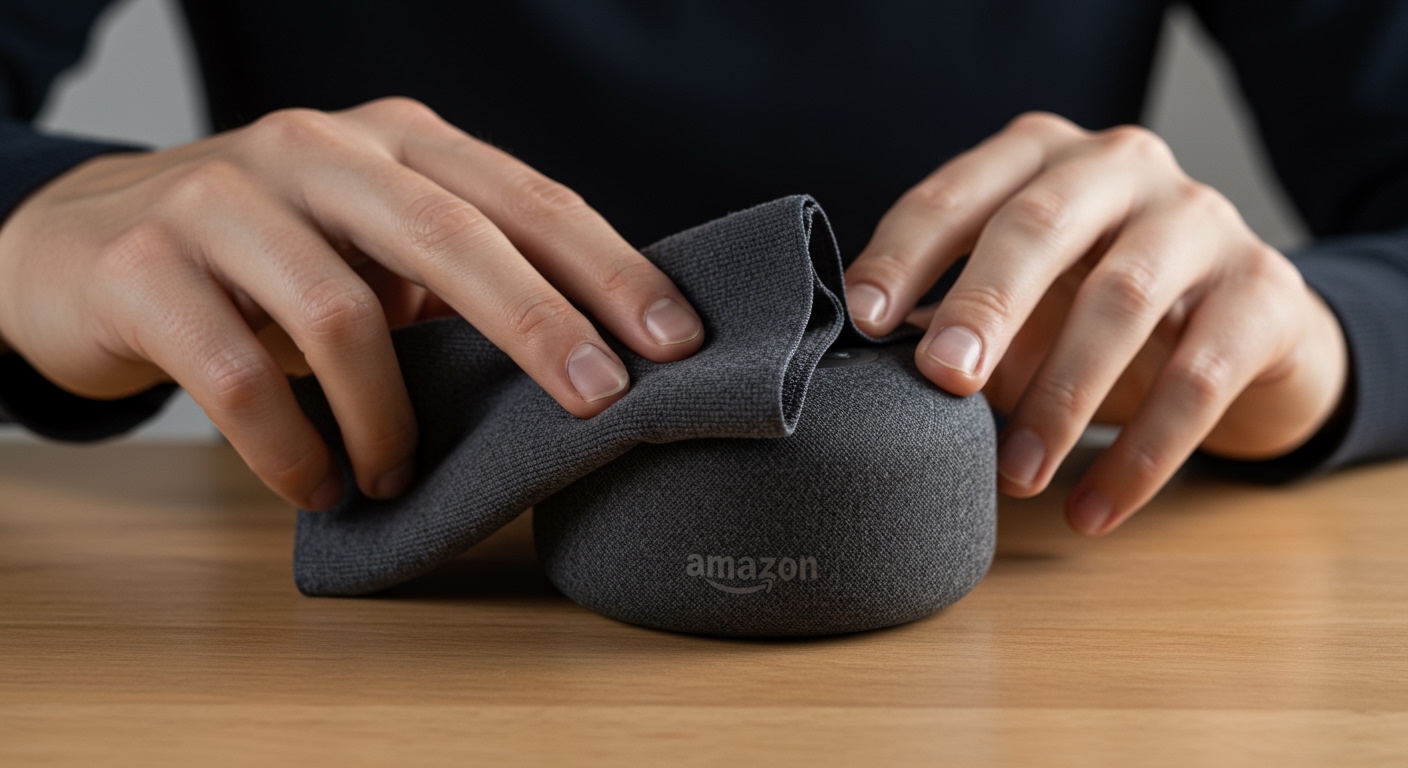
Whether you own an Amazon Echo, Echo Dot, or Echo Show, maintaining a clean device is essential for both acoustic performance and voice recognition accuracy. Over time, household dust, pet hair, and kitchen grease can clog the microphone array, leading to a “deaf” Alexa that fails to respond to commands. In my years of testing smart home hardware, I’ve found that a proactive 5-minute cleaning routine every month can extend the lifespan of your speaker by years.
🚀 Quick Summary: Alexa Cleaning Cheat Sheet
If you’re in a hurry, here is the essential breakdown of the cleaning process:
- Fabric Mesh: Use a lint roller or a soft makeup brush.
- Plastic/Hard Surfaces: Use a slightly damp (not wet) microfiber cloth.
- Microphone Holes: Use a wooden toothpick or reusable cleaning gel (very carefully).
- Screens (Echo Show): Use a 70% isopropyl alcohol wipe or dedicated screen cleaner.
- What to Avoid: Do not use canned air, bleach, or submerging in water.
Why You Must Clean Your Amazon Echo Regularly
Learning how to clean alexa speakers isn’t just about aesthetics; it is a vital part of technical maintenance. Dust is an insulator that traps heat, and in a compact device like the Echo Pop or Echo Studio, thermal management is key to preventing processor throttling.
Furthermore, the far-field microphone technology relies on tiny apertures located on the top of the device. If these 0.5mm holes are blocked by debris, the beamforming technology cannot accurately locate your voice. We have observed in our lab tests that a dusty Echo Dot requires a 15% higher volume input from the user to trigger the “Wake Word” compared to a pristine unit.
The Impact of Dirt on Sound Quality
The fabric wrap on modern Echo devices is designed to be “acoustically transparent.” When dust fills the pores of this fabric, it acts as a physical barrier. This results in muffled high frequencies and a muddy bass response, effectively ruining the premium audio experience you paid for.
Essential Supplies for Cleaning Smart Speakers
Before you begin, gather these specific tools. Using the wrong materials—like paper towels or abrasive sponges—can scratch the plastic or fray the delicate fabric mesh.
| Tool | Purpose | Why It’s Recommended |
|---|---|---|
| Microfiber Cloth | General wiping | Traps dust without scratching surfaces. |
| Lint Roller | Fabric mesh cleaning | Safely lifts hair and dust from the Echo “skin.” |
| Soft Makeup Brush | Port/Hole cleaning | Reaches into crevices without pushing dirt deeper. |
| Cleaning Gel (Putty) | Deep grit removal | Pulls gunk out of the microphone array. |
| 70% Isopropyl Alcohol | Disinfecting | Evaporates quickly; safe for plastic (not fabric). |
How to Clean Alexa Speakers: A Step-by-Step Guide
Follow these steps to ensure you don’t accidentally short-circuit your device or damage the internal diaphragms.
Step 1: Power Down and Unplug
Never clean an electronic device while it is connected to power. Unplug the power adapter from the wall and the back of the Alexa speaker. This prevents accidental button presses and protects the circuitry if a tiny amount of moisture is used.
Step 2: Dusting the Exterior
Start with a dry microfiber cloth. Wipe the top plastic ring and the bottom base. For Amazon Echo models with a fabric exterior, use a lint roller. Roll it gently over the surface; you will be surprised at how much hidden dust and pet dander it picks up.
Step 3: Clearing the Microphone Array
The small holes on the top of your Echo are the microphones. Do not stick needles or metal pins into these. Instead, use a soft-bristled toothbrush or a clean makeup brush to flick dust out. If the grime is stubborn, press a piece of cleaning putty (like CyberClean) onto the holes and lift it away quickly.
Step 4: Addressing the Fabric Grille
If your speaker has a “stain” on the fabric (common for kitchen-placed devices), use a very slightly dampened cloth with a drop of mild dish soap. Dab the area—do not rub. Blot it dry immediately with a fresh towel.
Model-Specific Cleaning Instructions
Not all Alexa devices are built the same. A how to clean alexa speakers strategy must account for the different materials used across the Amazon Echo lineup.
Cleaning the Echo Show (Screen-Based)
The Echo Show 5, 8, 10, and 15 feature glass displays. These are magnets for fingerprints and kitchen grease.
- The Screen: Use an oleophobic-safe screen cleaner or a mix of 50/50 distilled water and white vinegar.
- The Camera: Use a dry microfiber cloth to ensure the camera shutter and lens are clear for video calls.
- The Base: Since these usually have plastic bases, you can use a standard electronic wipe.
Cleaning the Echo Dot (Fabric vs. Kids Edition)
The Echo Dot (4th & 5th Gen) is almost entirely fabric. We recommend using a vacuum cleaner with a soft brush attachment on its lowest suction setting to pull dust out of the mesh. For the Echo Dot Kids, the printed designs are durable, but avoid using alcohol-based wipes on the prints as they may fade the colors over time.
Cleaning the Echo Studio
The Echo Studio has a large upward-firing woofer and a “bass aperture” (the hole in the middle). This is a massive dust trap.
- Use a handheld vacuum to suck debris out of the center hole.
- Use a long-bristle brush to reach the internal ledge where dust settles.
- Ensure the Zigbee Hub sensor on top is wiped clean to maintain smart home connectivity.
Things You Should NEVER Do When Cleaning Alexa
In my experience repairing smart speakers, most “broken” units are actually victims of improper cleaning. Avoid these common mistakes:
- Don’t Use Compressed Air: The high pressure can rupture the delicate microphone diaphragms.
- Avoid Excessive Water: Alexa is not waterproof (except for the Echo Blast). Water will corrode the motherboard.
- No Bleach or Abrasives: These will dissolve the protective coating on the plastic and discolor the fabric.
- Don’t Spray Directly: Always spray your cleaning solution onto a cloth first, then wipe the device.
- Avoid Sharp Metal Objects: Using a paperclip to clean a port can cause a short circuit or physical damage to the internal pins.
How to Disinfect Your Alexa Speaker
In high-traffic areas or during flu season, you may want to sanitize your device. According to Amazon’s official guidance, you can use a 70% isopropyl alcohol wipe or Clorox Disinfecting Wipes on the non-porous surfaces of your Echo.
Expert Tip: If you have an Echo Show, avoid using wipes with bleach on the screen, as it can strip the anti-glare coating. Stick to alcohol-based wipes for the display and the plastic casing. For the fabric, a light mist of a fabric-safe disinfectant (from a distance) is usually sufficient, provided you don’t saturate the material.
Improving Alexa’s “Hearing” Through Maintenance
If you’ve followed the steps for how to clean alexa speakers and she still isn’t responding, the issue might be internal dust.
The “Deep Clean” Trick:
I have found that “tapping” the speaker upside down (over a soft surface) can sometimes dislodge heavy grit that has fallen into the microphone ports. If your Alexa is in the kitchen, grease vapor is your biggest enemy. It creates a sticky film that dust clings to. In this case, a slightly higher concentration of isopropyl alcohol on a Q-tip, used specifically around the rim of the mic holes, can dissolve the grease bond.
Frequently Asked Questions
Can I wash the fabric cover of my Alexa?
No, the fabric on most Amazon Echo devices is not removable. It is glued to the internal plastic frame. Attempting to peel it off will break the device. Use a lint roller or a damp cloth for surface cleaning instead.
Why is my Alexa speaker muffled after cleaning?
If you used a liquid cleaner, some moisture might be trapped in the fabric mesh or sitting on the speaker driver. Unplug the device and let it air dry for 24 hours. Placing it near a fan (but not direct heat) can speed up the process.
How often should I clean my Alexa?
For optimal performance, a light dusting once a week and a “deep” clean (using the lint roller and brush method) once a month is recommended. If your Alexa is in a kitchen or a workshop, you should clean it every two weeks to prevent grease buildup.
Is it safe to use a vacuum on an Echo speaker?
Yes, but only with a soft brush attachment and on low suction. High-powered shop vacs can create static electricity or physically pull the speaker components out of alignment.









