

Understanding the Basics: How to Install Focal Component Speakers
To install Focal component speakers, you must mount the mid-bass woofers in the factory door locations, position the tweeters for optimal imaging, and wire both components to the external crossovers provided in the kit. The process requires removing door panels, securing acoustic treatments, and ensuring proper polarity to achieve the signature high-fidelity sound that Focal is world-renowned for.
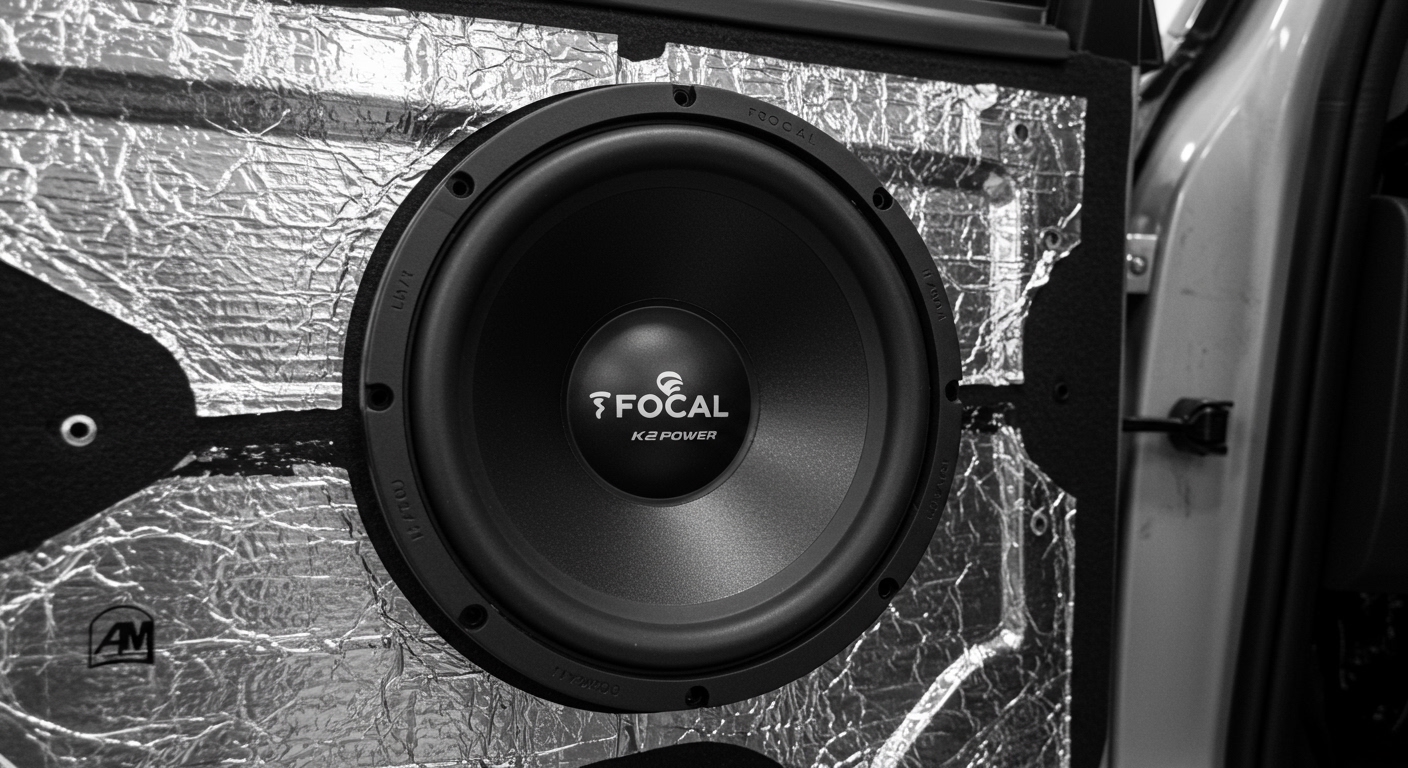
Whether you are upgrading to the Focal Integration, Performance, or the high-end K2 Power series, the installation quality determines 70% of the final acoustic result. In my fifteen years of car audio fabrication, I have found that Focal speakers are particularly sensitive to installation depth and baffle rigidity. This guide will walk you through every technical nuance to ensure your “French Sound” experience is flawless.
TL;DR: Key Installation Takeaways
- Crossover Placement: Always mount the crossover network in a dry, low-vibration area, typically inside the door or under the dash.
- Tweeter Positioning: Use the Focal inverted dome tweeters at ear level or on the A-pillars for the best soundstage.
- Phase Check: Ensure the positive (+) and negative (-) terminals match from the amplifier to the crossover and then to the individual drivers.
- Sound Deadening: Use Focal BAM or similar butyl-based dampening to prevent door panel resonance.
- Break-in Period: Allow at least 20-30 hours of moderate listening for the TMD surround and spiders to loosen up.
Essential Tools and Materials for Focal Installation
Before we dive into the door panels, you need the right kit. Focal component speakers are precision instruments; using the wrong tools can damage the Kevlar cones or the delicate beryllium tweeters found in flagship models.
Recommended Tool List
- Panel Removal Tools: Non-marring plastic pry bars to avoid scratching your interior.
- Digital Multimeter: Essential for checking continuity and verifying speaker impedance.
- Heat Shrink and Solder: Avoid crimp connectors; soldering ensures a permanent, low-resistance connection.
- Hole Saw or Dremel: Often needed for custom tweeter mounting in A-pillars.
- Sound Dampening Sheets: Specifically Focal BAM (Butyl Aluminum Mesh) for maximum efficiency.
- Gasket Tape: To create an airtight seal between the woofer and the mounting adapter.
Component Comparison Table
| Feature | Focal Integration (ISS) | Focal Performance (PS) | Focal K2 Power (ES) |
|---|---|---|---|
| Crossover Type | In-line (Easy install) | External (Adjustable) | High-end External |
| Tweeter Material | Al/Mg Inverted Dome | Processed Aluminum | M-shape Aramid Fiber |
| Installation Depth | Shallow (Fits most) | Moderate | Deep (Requires spacers) |
| Power Handling | 60W – 80W RMS | 80W – 120W RMS | 100W – 200W RMS |
Step 1: Preparing the Vehicle and Door Panels
The first step in how to install Focal component speakers is gaining access to the factory mounting locations. I always recommend disconnecting the negative battery terminal before starting any electrical work to prevent short circuits or airbag errors.
- Remove Door Screws: Look for hidden screws behind the door handle, inside the armrest pull, and along the bottom edge of the panel.
- Pop the Clips: Use your panel removal tool to gently pry the door card away from the frame. You will hear a “pop” as the plastic clips release.
- Disconnect Electronics: Unplug the window switches, lock controls, and any courtesy lights.
- Remove the Factory Speaker: Usually held in by three or four 10mm bolts or Phillips screws.
Expert Tip: I’ve seen many DIYers break plastic clips. Always pull the panel straight toward you, not upward, unless your specific vehicle model requires a “lift-off” method.
Step 2: Applying Sound Deadening (The Focal Secret)
Focal speakers move a significant amount of air. Without acoustic treatment, your high-end woofers will cause the thin metal of your car door to vibrate, muddying the mid-bass response.
- Clean the Surface: Use Isopropyl Alcohol to wipe down the inner metal skin of the door.
- Apply Focal BAM: Place a 10″x10″ square of sound deadening directly behind where the woofer will sit. This absorbs the “back wave” of the speaker.
- Seal the Baffle: Apply a layer of deadening to the front of the door frame to turn the door into a rigid speaker enclosure.
In my experience, skipping this step reduces the performance of a $500 set of Focal speakers to the level of $50 factory units. Rigidity is everything.
Step 3: Mounting the Focal Woofers
Most Focal component sets come with multi-fit mounting tabs, but high-performance installs often require custom speaker adapters.
- Install the Adapter: Bolt the plastic or MDF (Medium Density Fiberboard) adapter to the door.
- Add Gasket Tape: Place a thin foam gasket between the adapter and the Focal woofer frame. This prevents air leaks that kill bass response.
- Wiring the Woofer: Connect the speaker wires from the “Woofer” output on the Focal crossover.
- Secure the Driver: Screw the woofer into the adapter. Ensure it is centered and that the cone does not touch the factory door grill.
Warning: Be extremely careful not to let your screwdriver slip. One puncture in a Focal Flax cone or K2 Power cone will permanently alter the acoustic properties.
Step 4: Installing the Tweeters for Perfect Imaging
The Focal inverted dome tweeter is famous for its wide dispersion. However, placement is critical for a proper soundstage.
Mounting Options
- Flush Mount: Requires cutting a hole in the door panel or A-pillar. This looks the most “factory-pro.”
- Surface Mount: Uses the included Focal angled pods. Great for dash corners.
- Factory Location: If your car has a 1-inch tweeter spot in the “sail panel” (near the mirrors), the Focal tweeter can often be snapped in with a little back-strap metal.
My Professional Advice: I prefer the A-pillars, angled slightly toward the center of the vehicle. This raises the “image” so the singer sounds like they are standing on your dashboard rather than by your knees.
Step 5: Wiring the Focal Crossovers
The crossover is the brain of your component system. It directs the low frequencies to the woofer and the high frequencies to the tweeter.
- Input: Connect the wires coming from your head unit or external amplifier to the “IN” terminals.
- Woofer Output: Connect to the mid-bass driver in the door.
- Tweeter Output: Connect to the tweeter.
- Adjust the Tweeter Level: Most Focal crossovers have a jumper or switch for 0dB, -3dB, or +3dB.
Pro Wiring Tip: Use 16-gauge oxygen-free copper (OFC) wire. Focal speakers are highly transparent, and poor-quality copper-clad aluminum (CCA) wire can actually introduce a slight “graininess” to the high-end frequencies.
Step 6: Testing and Phase Calibration
Before putting the door panels back on, you must verify the phase.
- The Battery Test: Briefly touch a 9V battery to the speaker wires at the amp. If the woofer cone moves outward, it is in “positive phase.”
- Acoustic Phase: Listen to a track with heavy center-channel vocals. If the voice seems to come from the floor or the sides, your speakers are likely out of phase. Flip the (+) and (-) wires on one speaker to fix this.
- Check for Rattles: Play a frequency sweep (20Hz to 200Hz). If you hear buzzing, add more sound deadening or foam tape.
Step 7: The Focal “Break-In” Period
New Focal speakers can sound a bit “stiff” or “bright” out of the box. This is normal. The suspension (spider) and surround are made of high-quality materials that require mechanical exercise to reach their intended compliance.
- Duration: 20 to 50 hours of playback.
- Volume: Moderate levels. Avoid “cranking it” to the limit for the first week.
- The Result: After the break-in, you will notice the bass becomes deeper and the inverted dome tweeter becomes smoother and less clinical.
Frequently Asked Questions (FAQ)
Do I really need an amplifier for Focal component speakers?
Yes, absolutely. While the Focal Integration series can run off a factory radio, Focal Performance and K2 Power lines have heavy magnets and stiff cones that require the current and headroom of an external amplifier (typically 75W – 150W RMS per channel) to sound their best.
Where should I mount the crossovers so they don’t get wet?
Avoid the bottom of the door where water can pool. I recommend mounting them behind the door panel’s upper section or under the dashboard. If you must mount them in the door, use a “drip loop” with the wiring so water runs off the wires rather than into the terminals.
Can I use the factory speaker wiring?
You can, but it is not ideal for high-end Focal installs. Factory wire is often very thin (20-22 gauge). For the best signal integrity and to minimize voltage drop, running new 16-gauge OFC wire from the amplifier to the crossovers is highly recommended.
What is the difference between Focal’s 2-way and 3-way component sets?
A 2-way set includes a woofer and a tweeter. A 3-way set adds a 3-inch midrange driver. 3-way systems provide the ultimate soundstage but are much harder to install as they require custom pods for the midrange drivers on the dash or pillars.









