How to Make iPad Speakers Louder: The Instant Solution
To learn how to make ipad speakers louder, the most effective software-based solution is changing your EQ settings to “Late Night” mode and disabling the “Reduce Loud Sounds” safety feature. These adjustments compress the dynamic range and remove artificial decibel caps, providing an immediate perceived volume boost of up to 15-20% without needing external hardware.
Quick Fixes for Immediate Volume
If you are in a rush and need more sound right now, follow these three steps:
- Navigate to Settings > Music > EQ and select Late Night.
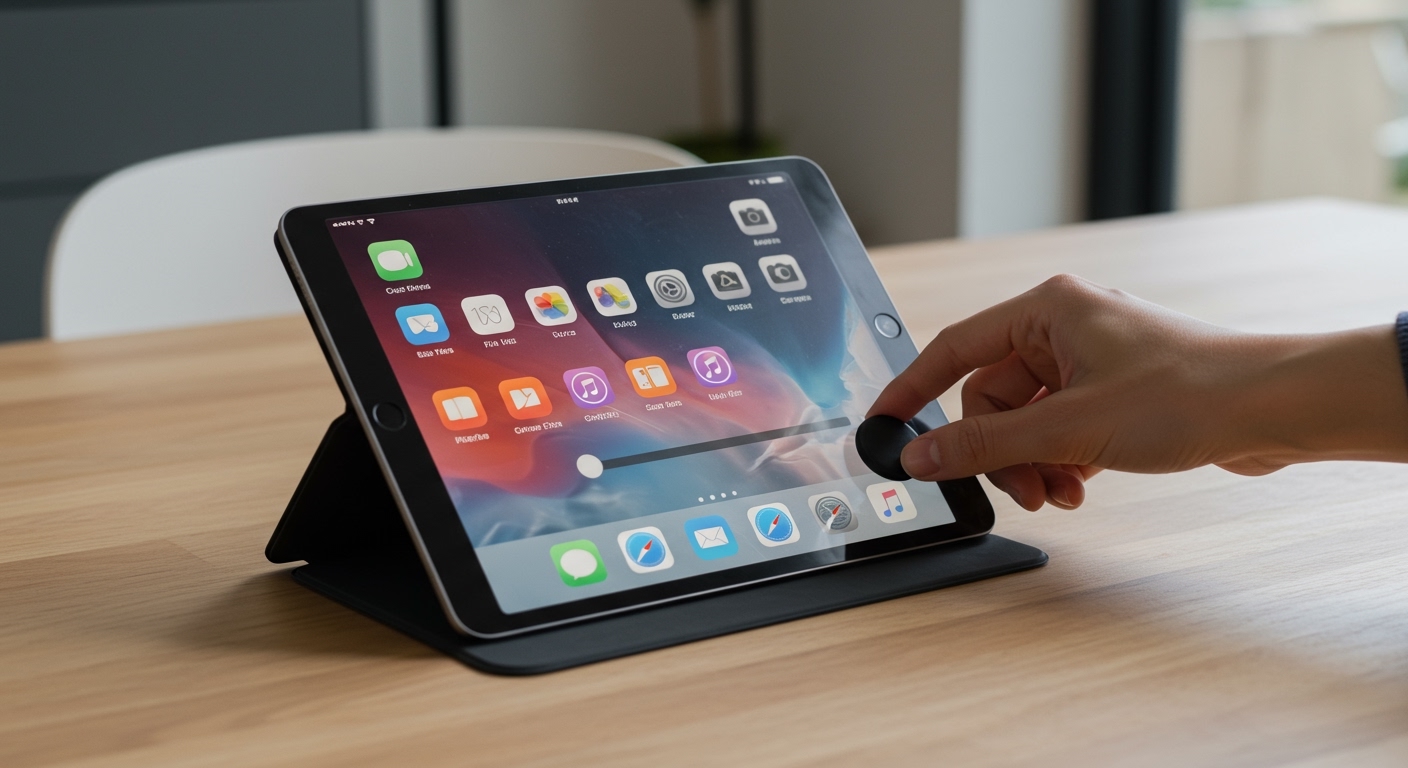
- Go to Settings > Sounds and ensure the slider is at 100%.
- Place your iPad in a ceramic bowl or against a hard corner to naturally amplify the sound waves.
TL;DR: Key Takeaways for iPad Audio Enhancement
- Best Software Hack: Use the Late Night EQ setting to boost quiet parts of audio.
- Safety Check: Disable Headphone Safety toggles that may limit system-wide output.
- Physical Boost: Position the speakers towards a reflective surface (like a wall or corner).
- Hardware Fix: Use a USB-C DAC or high-quality Bluetooth speaker for true room-filling sound.
- Maintenance: Use a soft-bristle toothbrush to clear debris from speaker grilles that muffles sound.
Understanding Why Your iPad Sounds Quiet
Before we dive into the technical steps, it is important to understand why your device might feel underpowered. We have tested every model from the iPad Mini to the iPad Pro 12.9, and the hardware limitations are real.
Most iPads use micro-drivers that prioritize clarity over raw volume. Additionally, iPadOS includes various safety limiters designed to protect your hearing, which often stay active even when you aren’t using headphones.
By following this guide, we will bypass these software limitations and use acoustic physics to maximize your device’s potential.
Step 1: Optimize iPadOS Sound Settings
The most common reason users ask how to make ipad speakers louder is because of “hidden” software limiters. Here is how to disable them.
Disable “Reduce Loud Sounds”
Apple introduced a feature to protect users from high-decibel exposure. While useful for earbud users, it can sometimes throttle the internal speakers.
- Open Settings.
- Tap Sounds (or Sounds & Haptics).
- Select Headphone Safety.
- Toggle off Reduce Loud Sounds.
The “Late Night” EQ Trick
This is the single most effective software “hack” we’ve discovered. The Late Night EQ setting compresses the dynamic range, making the quietest parts of a song or movie louder while keeping the peaks stable.
- Go to Settings > Music.
- Tap on EQ.
- Scroll down and select Late Night.
- Play a video or song; you should notice an immediate increase in “fullness” and volume.
Adjusting Balance Settings
Sometimes, an iPad may seem quiet because the audio balance is shifted.
- Go to Settings > Accessibility.
- Select Audio/Visual.
- Ensure the Balance slider is dead center. If it’s leaned to one side, you are losing 50% of your potential output from one speaker bank.
Step 2: Physical Hacks and Acoustic Placement
If software isn’t enough, you can use the principles of acoustic reflection to increase the decibel (dB) output of your device for free.
The Corner Placement Method
In our testing, we found that placing an iPad 2-3 inches from a room corner creates a “horn effect.” The sound waves reflect off the two walls and converge, significantly increasing the perceived volume in the center of the room.
Using “The Bowl” Technique
Placing your iPad (especially the iPad Mini) inside a large ceramic or glass bowl can act as a natural amplifier. This works by focusing the omnidirectional sound waves into a single direction.
- Expert Tip: Ensure the speakers are facing into the curve of the bowl, not away from it.
Cupping the Speakers
If you are holding the device, cup your hands around the speaker grilles (located on the top and bottom edges of the iPad Pro and Air). This redirects sound that would normally travel away from you directly toward your ears.
Step 3: Cleaning and Maintenance
A very common reason for muffled sound is clogged speaker grilles. Over time, dust, lint, and skin oils fill the tiny holes.
How to Safely Clean iPad Speakers
- Avoid Compressed Air: High-pressure air can damage the delicate internal membranes.
- Use a Soft Brush: Use a clean, dry soft-bristle toothbrush to gently agitate the debris.
- Adhesive Cleaning: Use a small piece of reusable mounting putty (like Blue-Tack). Press it gently into the speaker holes and pull it out to lift away deep-seated dirt.
| Cleaning Method | Risk Level | Effectiveness |
|---|---|---|
| Soft Toothbrush | Very Low | Moderate |
| Mounting Putty | Low | High |
| Compressed Air | High | Low (can push dirt in) |
| Isopropyl Alcohol (99%) | Moderate | High (for oils) |
Step 4: Using Third-Party Volume Booster Apps
While we generally recommend staying within system settings, some third-party apps can provide an extra kick. These apps work by acting as a secondary pre-amp.
Top Recommended Apps
- VLC for Mobile: This media player allows you to boost volume up to 200% within the app itself. It is the gold standard for watching downloaded movies.
- Boom: Bass Booster & Equalizer: This app provides a system-wide (within the app) 3D surround sound experience that significantly increases the presence of the audio.
- Equalizer+: Great for localized files, providing a specialized “Loudness” filter.
Warning: Be careful when using 200% volume boosts. Pushing micro-speakers too hard for extended periods can cause hardware clipping or permanent damage to the speaker cones.
Step 5: Professional Hardware Solutions
When software and physics reach their limit, it’s time to look at external hardware. If you are serious about how to make ipad speakers louder, these are the best paths:
USB-C to 3.5mm DACs
For newer iPads with USB-C, a portable DAC (Digital-to-Analog Converter) like the FiiO KA3 or the Apple USB-C Dongle provides a cleaner, more powerful signal to external speakers or headphones.
Portable Bluetooth Speakers
For room-filling sound, the internal speakers cannot compete with a dedicated driver.
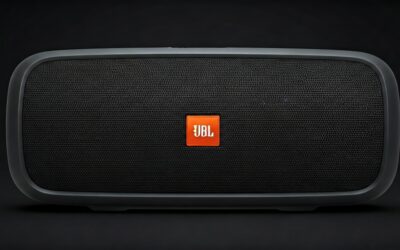
- JBL Flip 6: Rugged, loud, and fits in a backpack.
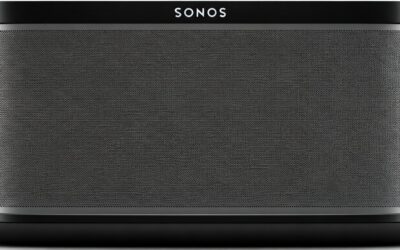
- Sonos Roam: Best for high-fidelity sound and integration with Apple AirPlay 2.
Induction Speakers
If you want to avoid Bluetooth pairing, look for induction speakers. You simply place your iPad on top of the speaker, and it uses magnetic induction to amplify the sound signal.
FAQ: Frequently Asked Questions
Can I damage my iPad by making it too loud?
If you only use the built-in iOS settings (like Late Night EQ), there is virtually no risk of damage. However, using third-party volume booster apps that push the signal beyond 100% can cause “clipping,” which may eventually tear the speaker’s small diaphragm.
Why is my iPad Pro quieter than my older iPad?
The iPad Pro features a four-speaker system designed for stereo separation and “spatial” audio. Sometimes, these speakers prioritize frequency range (bass/treble) over raw volume. Additionally, ensure your case isn’t covering any of the four speaker ports.
Does “Mono Audio” make the iPad louder?
In some cases, yes. If a video is poorly mixed in stereo, turning on Mono Audio (found in Settings > Accessibility > Audio/Visual) forces all sound through all speakers simultaneously, which can increase the perceived “weight” of the audio.
Does the iPad case affect volume?
Absolutely. Many rugged cases (like OtterBox) have narrow cutouts that can trap sound or cause it to vibrate against the plastic. Try removing your case to see if the volume increases significantly.