How to Price Used Speakers: The Expert Guide to Fair Market Value
To accurately determine how to price used speakers, you must first identify the MSRP (Original Retail Price) and then cross-reference the “Sold” listings on platforms like eBay, Reverb, and HiFiShark. Generally, most modern used speakers sell for 40% to 60% of their original price, while rare vintage models or “cult classics” may hold their value or even appreciate. Factors such as driver condition, cabinet aesthetics, and original packaging significantly sway the final valuation.
TL;DR: Key Takeaways for Pricing Used Speakers
- The 50% Rule: Use 50% of the original retail price as your baseline starting point for gear in good condition.
- Check Sold History: Never price based on active listings; always look at completed sales to see what buyers actually paid.
- Condition is King: A single scratch on a piano black finish or a dented tweeter dome can drop the value by 20-30%.
- Platform Matters: High-end audiophile gear fetches more on Audiogon or US Audio Mart, while entry-level gear moves faster on Facebook Marketplace.
- Provenance: Including original manuals, boxes, and receipts can command a 10-15% premium.
Understanding the Market Value of Used Audio Gear
When I first started flipping audio equipment 15 years ago, I made the mistake of pricing based on sentimental value. I quickly learned that the market is indifferent to your memories. To master how to price used speakers, you must view them as a commodity influenced by brand equity, technological relevance, and physical depreciation.
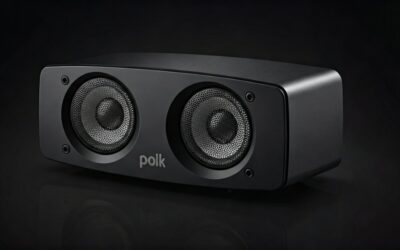
Most consumer-grade speakers (like those from Sony, Polk, or Klipsch) follow a standard depreciation curve. However, “High-End” or “Boutique” brands like Bowers & Wilkins, KEF, and McIntosh behave more like luxury cars—they lose a chunk of value initially but hit a “price floor” where they stop depreciating and eventually become vintage collectibles.
The Depreciation Tier Table
| Speaker Category | Typical Resale % of MSRP | Primary Sales Platform |
|---|---|---|
| Mass Market (Sony, Yamaha) | 25% – 40% | Facebook Marketplace, Craigslist |
| Mid-Fi (ELAC, Emotiva) | 45% – 55% | eBay, Reverb |
| Audiophile/High-End (KEF, Focal) | 50% – 70% | Audiogon, US Audio Mart |
| Vintage/Rare (JBL L100, Tannoy) | 80% – 150%+ | Specialized Forums, High-End Auctions |
How to Price Used Speakers Using Real-Time Data
Data beats intuition every time. To get a precise number, you need to use the “Big Three” of audio pricing research. I personally spend about 20 minutes on these sites before listing any pair of monitors or floorstanders.
HiFiShark: The Search Engine for Audiophiles**
HiFiShark is the single most important tool for how to price used speakers. It aggregates listings from across the globe.
- Pro Tip: Use the “Sold/Expired” tab.
- Look for listings in your specific region to account for shipping costs.
- Identify the “Average Sold Price” over the last six months to account for seasonal fluctuations.
eBay “Sold” Listings**
eBay is the largest marketplace, but its prices are often slightly higher due to high seller fees (around 13-15%).
- Filter by “Sold Items” in the sidebar.
- Check the dates; a sale from two years ago is no longer relevant in today’s inflationary market.
- Note if the price included free shipping, as shipping large towers can cost $200+.
Reverb’s Price Guide**
If you are selling studio monitors (Genelec, KRK, Yamaha HS series), Reverb is the gold standard. They provide a visual graph of price trends over time, which helps you decide if it’s a “Buyer’s Market” or a “Seller’s Market.”
Evaluating Physical and Technical Condition
You cannot accurately answer how to price used speakers without a rigorous “Bench Test.” In my experience, sellers often overrate their gear’s condition. Use this checklist to adjust your price downward if defects are found.
The “Driver” Inspection
- Surround Rot: Check the foam rings around the woofers. If they are crumbling, deduct $50-$150 for the cost of professional re-foaming.
- Dented Tweeters: Silk or metal domes that have been pushed in by curious fingers reduce the value by at least 25%, even if they still sound okay.
- Capacitor Age: For speakers over 30 years old, mention if they have been recapped. If not, savvy buyers will haggle you down.
The “Cabinet” Aesthetics
- Veneer Damage: Real wood veneer is expensive to repair. Deep gouges or water rings from drinks can kill a sale.
- Grille Integrity: Are the pegs broken? Is the cloth snagged? Original grilles in mint condition are worth a 10% markup.
The Impact of Brand Prestige on Pricing
When learning how to price used speakers, you’ll notice that some brands defy the laws of physics and economics.
High-Demand Brands:
Brands like Klipsch (Heritage Series) and JBL have a “cult following.” A pair of Klipsch Heresy speakers from 1985 might sell for nearly what they cost new because the “vintage sound” is currently trending with younger vinyl enthusiasts.
The “Tech-Heavy” Trap:
Be careful with powered/active speakers (like Sonos or older Apple HomePods). Because they contain internal amplifiers and software, they depreciate faster than “passive” speakers. Digital components become obsolete; a high-quality copper wire and a paper cone do not.
Factoring in Shipping and Transaction Fees
A common mistake in how to price used speakers is forgetting the “Middle Man.” If you want $500 in your pocket, you cannot list for $500 on a platform like eBay.
- Shipping Costs: A pair of floor-standing speakers can weigh 100 lbs combined. Professional packing and freight can easily cost $200.
- Platform Fees:
- The “Local Discount”: If you sell on Craigslist or Facebook Marketplace, you avoid shipping and fees. I usually lower my price by 10% for local cash buyers to encourage a quick, hassle-free pickup.
How to Write a Listing That Justifies a Higher Price
If you want to price at the top end of the market, your listing must reflect expertise. Transparency builds trust, and trust allows for premium pricing.
- Mention the Environment: Use phrases like “Smoke-free, pet-free home” or “Dedicated climate-controlled listening room.”
- Serial Numbers: Take photos of the serial number plates. It proves ownership and helps buyers verify the manufacturing year.
- Sound Demo: Offer a video of the speakers playing. It proves the voice coils aren’t rubbing and the crossovers are functional.
- The “Why”: Explain why you are selling (e.g., “Upgrading to Magneplanars”). It reassures buyers that nothing is “wrong” with the gear.
Frequently Asked Questions (FAQ)
How much do speakers lose in value once they are used?**
Generally, speakers lose 30% to 40% of their value the moment they are “open box.” After the first year, they typically settle at 50% of MSRP and stay there for several years if maintained in a smoke-free environment.
Are vintage speakers worth more than new ones?**
Only in specific cases. Collectors seek out “Golden Era” gear from the 1970s, such as Marantz, McIntosh, or Pioneer HPM series. These can often sell for 2x to 5x their original retail price due to their “analog” aesthetic and build quality.
Does having the original box help the price?**
Yes, significantly. For high-end speakers, the original double-box packaging can add $100 to $300 to the value. It ensures safe shipping and indicates the owner was meticulous about care.
How do I price speakers if I can’t find them online?**
If the model is obscure, look for the original MSRP and apply a 40% valuation if they are working perfectly. Alternatively, look for speakers with similar driver sizes and cabinet materials from the same era and brand to find a “proxy” price.
Should I repair my speakers before selling them?**
Only if the repair is simple, like re-foaming a woofer. Complex crossover repairs or cabinet refinishing rarely provide a 1:1 Return on Investment (ROI). It is often better to sell “as-is” and disclose the faults to a hobbyist who enjoys restoration projects.
**
**
**
**