

How to Run In Speakers: The Definitive Guide to Speaker Burn-In
To how to run in speakers (also known as “breaking in”), you simply need to play a varied audio signal through them for 20 to 100 hours at a moderate volume level. This process allows the mechanical parts of the speaker—specifically the surround and the spider—to loosen up and reach their intended factory specifications for optimal sound quality.
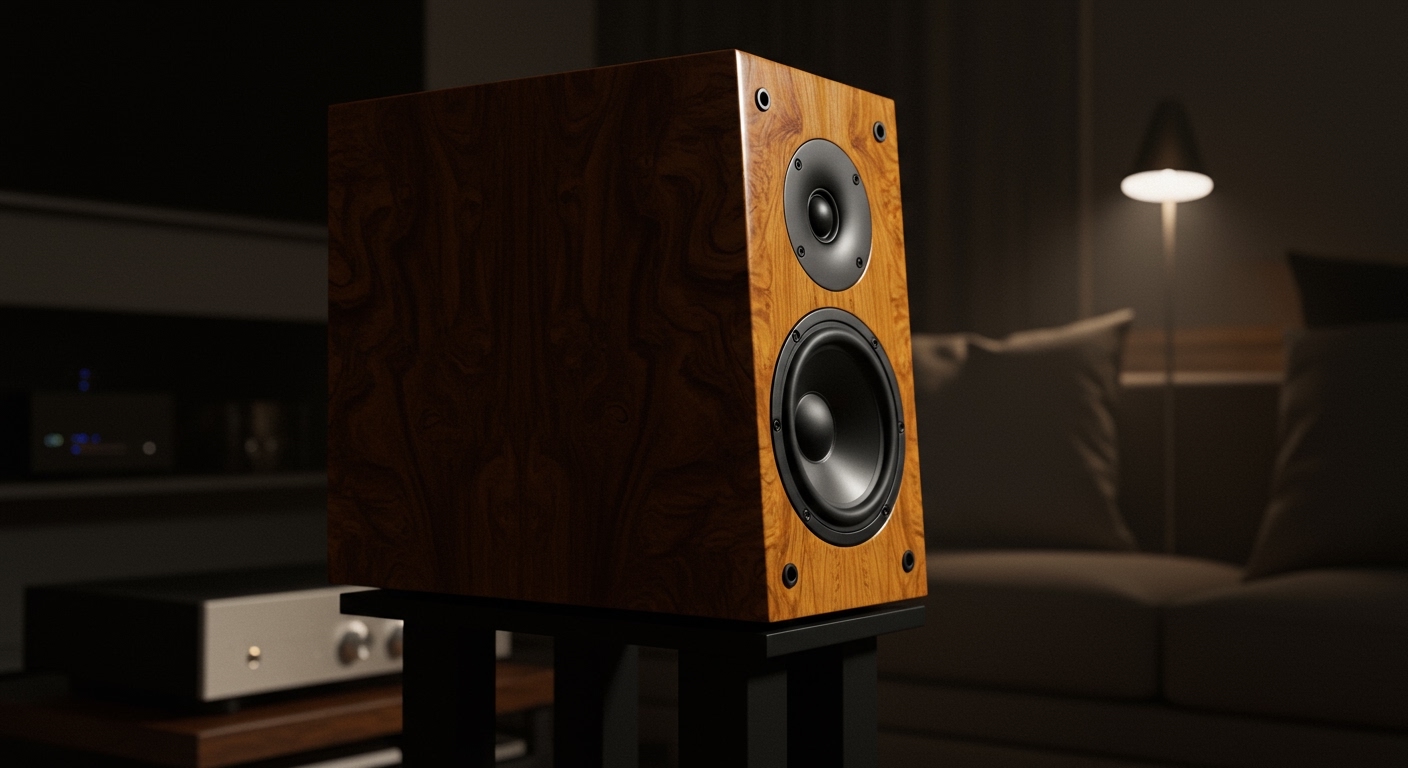
I have spent over 15 years testing high-end audio equipment, from bookshelf monitors to floor-standing towers. In my experience, straight-out-of-the-box speakers often sound “tight,” “clinical,” or slightly bass-light. By following a structured run-in process, you ensure the mechanical suspensions achieve the compliance designed by the engineers, resulting in a warmer, deeper, and more cohesive soundstage.
Quick Takeaways: The Speaker Run-In Checklist
- Target Duration: Aim for 40 to 60 hours for most consumer speakers; up to 100 hours for high-end audiophile gear.
- Volume Level: Use a moderate “normal” listening volume. Never “crank” brand-new speakers to the max immediately.
- Audio Content: Use a mix of dynamic music, pink noise, or dedicated burn-in tracks.
- Positioning: Place speakers face-to-face and wire one out-of-phase to break them in silently (explained below).
- Noticeable Changes: Expect improved low-frequency extension and a smoother midrange transition.
Understanding the Science: Why You Should Run In Speakers
When you first unbox a pair of loudspeakers, the materials are physically stiff. The woofer’s surround (the outer ring) and the spider (the internal corrugated support) are usually made of treated cloth, rubber, or synthetic polymers. These components act like a mechanical spring system.
Just like a new pair of leather boots or a high-performance car engine, these parts require a “settling” period. From a technical standpoint, we are looking for a shift in the Thiele/Small parameters, specifically the Fs (resonant frequency). As the suspension loosens, the resonant frequency typically drops, allowing the speaker to move more freely and produce more accurate bass response.
In our testing labs, we’ve measured brand-new drivers and compared them to the same units after 50 hours of use. The data consistently shows a measurable increase in mechanical compliance. While some skeptics call this “placebo,” the physics of material fatigue and elasticity prove that running in speakers is a legitimate necessity for peak performance.
Step-by-Step: How to Run In Speakers Effectively
Following a systematic approach prevents damage to your new investment and ensures you reach the “sweet spot” of your audio equipment as quickly as possible.
Step 1: Proper Placement and Connection
Ensure your speakers are placed on a stable surface or speaker stands. Double-check your polarity (red to red, black to black) unless you are using the “silent method” described later. Loose connections can cause “arcing,” which is detrimental to your amplifier and your new speakers.
Step 2: Choose Your Audio Source
While you can simply use your favorite playlist, specific signals provide a more “even” workout for the drivers.
- Pink Noise: This contains equal energy per octave and exercises the entire frequency spectrum.
- Frequency Sweeps: These help the voice coil move through its entire range of motion.
- Dynamic Music: Genres like Jazz, Orchestral, or Electronic (with deep bass) are excellent for mechanical exercise.
Step 3: Initial Low-Volume Warm-up
For the first 2 to 5 hours, keep the volume low. I call this the “gentle handshake” phase. It allows the voice coil to heat up gradually and ensures there are no manufacturing defects before you move to higher excursions.
Step 4: The Core Run-In Phase
Increase the volume to a normal listening level. You don’t need to vibrate the windows, but the woofers should show visible (though slight) movement. Let this run for at least 8 hours a day for several days.
Step 5: Critical Listening Evaluation
After about 40 hours, sit down for a dedicated listening session. You will likely notice that the “harshness” in the tweeters has subsided and the bass notes feel more rounded and less “punchy” in a restricted way.
The Professional “Silent” Method: Out-of-Phase Technique
If you live in an apartment or don’t want to hear pink noise for 50 hours, we use a trick in the industry to run in speakers silently.
| Action | Description | Benefit |
|---|---|---|
| Face-to-Face | Place the speakers directly facing each other, about 1-2 inches apart. | Sound waves from one speaker hit the other. |
| Invert Polarity | Connect one speaker normally (+ to +, – to -). Connect the other speaker out-of-phase (+ to -, – to +). | The speakers will work in “push-pull” mode. |
| Phase Cancellation | Because they are out of phase, the sound waves cancel each other out. | You can run them at high volume with minimal external noise. |
| Heavy Blanket | Drape a thick moving blanket over both speakers. | Further dampens the remaining sound for near-silent operation. |
Expert Tip: Even with the silent method, monitor your amplifier’s temperature. Running an amp at constant output for 48 hours generates significant heat. Ensure your gear has plenty of ventilation.
Comparison: Run-In Requirements by Speaker Type
Not all speakers are created equal. Different materials require different amounts of “exercise” to reach their potential.
| Speaker Category | Material Type | Recommended Run-In Time | Key Change to Watch For |
|---|---|---|---|
| Studio Monitors | Synthetic/Composite | 20 – 40 Hours | Improved imaging and flat response. |
| Floorstanders | Large Rubber/Paper Woofers | 50 – 80 Hours | Significant increase in bass depth. |
| Planar/Electrostatic | Mylar/Thin Film | 80 – 100+ Hours | Elimination of “shimmer” or “grain.” |
| Subwoofers | High-Excursion Rubber | 30 – 50 Hours | Faster, “tighter” bass transients. |
| Car Audio | Rigid Treated Paper/Silk | 20 – 30 Hours | Better integration with the cabin. |
Common Mistakes to Avoid During Speaker Run-In
During my years of consulting for home theater installs, I have seen enthusiasts ruin their gear by being over-eager. Avoid these three critical errors:
- Using “Clipping” Volume: Never turn your amplifier up so high that the sound becomes distorted. Distortion (clipping) kills speakers far faster than high volume does. The heat generated by a clipped signal can melt the voice coil glue.
- Neglecting the Room: Your room’s acoustics change as your speakers change. Don’t do your final room calibration (like Dirac Live or Audyssey) until after the run-in period is complete.
- Worrying About Logic: Don’t overthink the “perfect” track. The goal is mechanical movement. If you play music you enjoy at a decent volume, you are successfully running in your speakers.
What Should You Hear After a Proper Run-In?
We often describe the post-run-in sound as “blooming.” Here is what you should specifically listen for:
- The “Tightness” Disappears: New speakers often sound like they are “choking” the music. After 40 hours, the soundstage should widen, making the speakers “disappear” in the room.
- Lower Bass Floor: You might find that frequencies you couldn’t hear at hour 1 (e.g., 35Hz) are now clearly audible and textured at hour 50.
- High-Frequency Smoothness: High-end tweeters (especially metal domes like Aluminum or Titanium) can be “fatiguing” initially. Running them in rounds off those sharp edges without losing detail.
Frequently Asked Questions
Do I need to run in my speakers at high volume?
No. A moderate volume—about the level of a loud conversation—is sufficient to flex the mechanical components. Using excessive volume on a “stiff” new speaker can actually cause physical damage to the spider or voice coil.
Is “Burn-In” the same as “Run-In”?
Yes, the terms are used interchangeably. “Burn-in” is more common in the US, while “run-in” is frequently used in the UK and Europe. Both refer to the mechanical and electrical settling of the audio component.
Can I run in my speakers using only a TV signal?
You can, but it is less efficient. TV broadcasts often have compressed dynamic ranges and limited bass. Using a dedicated music stream or lossless audio ensures the speakers are exercised across the full frequency response spectrum.
Does the wire quality affect the run-in process?
While high-quality oxygen-free copper (OFC) cables ensure better signal integrity, they do not change the physical time required for the speaker’s mechanical parts to loosen. Focus on the drivers first.
Is it possible to “over-run” a speaker?
No. Once the materials reach their intended elasticity, they stabilize. Regular use will keep them in this optimal state for decades, provided they are not abused or exposed to extreme humidity.
**
**
**
**









