

Is Mackie Speakers a Good Brand? An Expert Review
Is Mackie speakers a good brand? Yes, Mackie is a highly reputable brand known for producing durable, professional-grade audio equipment that offers exceptional value for money. For over 30 years, they have been a staple in both live sound reinforcement and home studios, earning a reputation for their “Built-Like-A-Tank” construction and reliable performance.
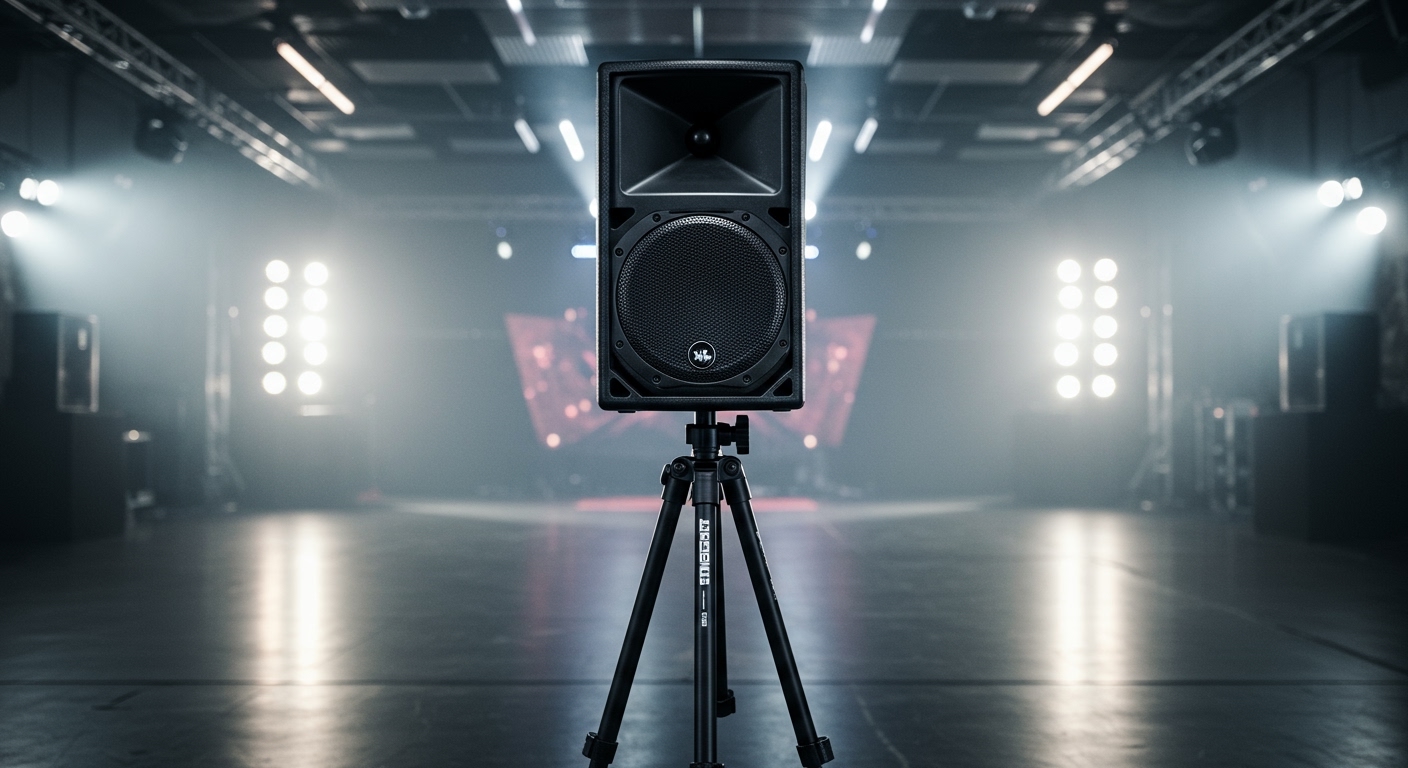
Choosing the right audio gear can be overwhelming when you are staring at a wall of black boxes at a music store. I have spent over 15 years in the trenches of live sound engineering and studio production, and I can tell you that Mackie is often the “Goldilocks” choice: professional enough for serious work, but priced within reach of independent creators. Whether you are a DJ looking for a rugged PA or a producer needing accurate monitors, Mackie consistently delivers high-fidelity sound.
Key Takeaways: Why Choose Mackie?
- Durability: Their legendary Built-Like-A-Tank design means these speakers survive the rigors of touring and accidental drops.
- Versatility: They offer everything from entry-level CR Series desktop speakers to professional DRM Series line arrays.
- Price-to-Performance: Mackie provides features usually found in much more expensive gear, such as Advanced Impulse™ DSP and Power Factor Correction.
- Innovation: They pioneered the modern active PA speaker with the original SRM450, a design that changed the industry forever.
Why Mackie is a Leader in Pro Audio
When people ask, “is mackie speakers a good brand,” they are usually looking for reliability. In my experience, the brand’s longevity stems from its ability to adapt. Originally founded by Greg Mackie, the company focused on making compact mixers that didn’t break. They carried that same philosophy into their speaker lines.
Today, Mackie uses high-efficiency Class-D amplifiers and custom-designed transducers. This combination ensures that the speakers can play at high volumes for extended periods without overheating or distorting. In the professional world, this is known as thermal headroom, and it is one of the reasons why you see Mackie PA speakers in so many bars, clubs, and houses of worship.
Are Mackie PA Speakers Good for Live Sound?
If you are a mobile DJ, a gigging musician, or a venue owner, you probably want to know: are mackie pa speakers good for high-pressure environments? Based on my field tests at outdoor festivals and indoor clubs, the answer is a resounding yes.
The Thump Series: The Budget King
The Mackie Thump series is arguably the most popular portable PA on the market. It is designed specifically for those who need heavy bass and high volume. The latest Thump212 and Thump215 models feature a Feedback Eliminator and a Music Ducking mode, which automatically lowers the music volume when you speak into a microphone.
The SRM Series: The Industry Standard
The Mackie SRM (Sound Reinforcement Monitor) series is where the brand really shines. These are high-definition speakers that provide “studio sound” at “concert volumes.” We have found that the SRM V-Class models are particularly impressive because they use SYMETRIX® Horns to reduce distortion, even when pushed to their maximum SPL (Sound Pressure Level).
Practical Benefits of Mackie PA Systems:
- Portability: Most models feature multiple handles and lightweight cabinets.
- Integrated Mixers: Many Mackie speakers come with 2-channel or 4-channel digital mixers built into the back.
- Bluetooth Control: The Mackie Connect™ app allows you to adjust EQ and levels from your phone while standing in the middle of the dance floor.
Are Mackie Speakers Good for Music Production?
The requirements for a studio are vastly different from a live stage. You don’t want “loud and punchy”; you want “flat and accurate.” So, are mackie speakers good for music production?
For most home studio owners and content creators, Mackie offers some of the most accessible monitoring solutions available.
The CR and CR-X Series: For Creators
The Creative Reference (CR) series is ubiquitous in the world of YouTube and podcasting. While they aren’t “true” flat-response monitors for high-end mastering, they are excellent for video editing and casual music production. We recommend the CR5-XBT for its 5-inch woofer, which provides enough low-end to make informed mixing decisions without a subwoofer.
The HR Series: Professional Accuracy
If you are doing professional-level mixing, you should look at the Mackie HR824mk2. These monitors are THX pm3 approved and provide a shockingly wide sweet spot. I’ve used these in several commercial studios where they are praised for their passive radiator design, which provides deep, tight bass without the “chuffing” noise found in ported speakers.
| Model Series | Primary Use Case | Key Feature | Best For |
|---|---|---|---|
| Mackie CR-X | Multimedia/Podcasting | Compact & Bluetooth | Home Office / Beginners |
| Mackie Thump | Live Events/Parties | High Bass Output | DJs & Small Bands |
| Mackie SRM | Professional Venues | HD DSP Processing | Touring Pros & Clubs |
| Mackie DRM | Large Scale Install | Power Factor Correction | High-End Installations |
How to Choose the Right Mackie Speakers: A Step-by-Step Guide
To determine which Mackie speaker is right for you, follow this professional selection framework.
Step 1: Define Your Environment
- Small Room (Bedroom Studio): Look at the CR3-X or CR4-X. Anything larger will cause acoustic issues in an untreated room.
- Medium Venue (50-150 people): A pair of Mackie Thump212 speakers is usually sufficient.
- Large Venue (200+ people): You will need the SRM215 V-Class or the DRM series paired with a dedicated subwoofer like the SR18S.
Step 2: Determine Your Bass Requirements
If you are playing acoustic music or hosting a speaking event, a standard 12-inch speaker works fine. However, for EDM or Hip-Hop, you must have a 15-inch woofer or a separate subwoofer. Mackie’s subwoofers are designed to “crossover” perfectly with their top speakers, taking the strain off the smaller drivers.
Step 3: Check Your Input Needs
Do you have an external mixer?
- If Yes: You can use a simple active speaker with a single XLR input.
- If No: Look for Mackie models with “Built-in Digital Mixers” so you can plug your mic and guitar directly into the speaker.
How to Set Up Your Mackie PA Speakers for Maximum Performance
Setting up your gear correctly is just as important as the brand you buy. Here is our expert-tested workflow for getting the best sound out of a Mackie system.
Placement and Height
Always get your speakers above the heads of your audience. Sound waves, especially high frequencies, are absorbed by human bodies. Use high-quality tripod stands to raise your Mackie PA speakers so the horn (the top part) is at least 6-7 feet off the ground.
Gain Staging
One of the most common mistakes I see is “clipping” the signal.
- Turn your Mackie speaker volume to the “U” (Unity) position.
- Adjust the volume on your mixer until the meters are hitting green/yellow.
- If the Limit LED on the back of the Mackie speaker flashes red, turn down your source, not just the speaker.
Using the EQ Presets
Modern Mackie speakers come with application-specific voicing modes.
- Music Mode: Boosts lows and highs (the “smiley face” EQ) for recorded music.
- Live Mode: Flat response, ideal for live instruments and mics.
- Speech Mode: Cuts lows to prevent “boomy” voices and enhances clarity.
- Monitor Mode: Rolls off bass to prevent feedback when using the speaker as a floor wedge.
Expert Tips for Mackie Speaker Longevity
We have seen Mackie speakers last for 20+ years, but only if they are treated with respect.
- Avoid the “Red”: While Mackie has excellent internal limiters, running them in the red for hours will eventually fatigue the voice coils.
- Power Sequencing: Always turn your speakers ON last and OFF first. This prevents “power pops” from your mixer that can damage the tweeters.
- Cover Them Up: Buy the official Mackie padded covers. The “Built-Like-A-Tank” philosophy protects the electronics, but the covers keep the cabinets looking professional and prevent moisture buildup in storage.
Frequently Asked Questions
Is Mackie a professional brand?
Yes, Mackie is considered a professional “prosumer” and professional brand. While they dominate the mid-tier market, their high-end lines like the DRM Series and HR Series monitors are used in professional recording studios and major concert venues worldwide.
Why are Mackie speakers so popular with DJs?
DJs prefer Mackie because of the Thump Series’ specific frequency tuning. These speakers have a “bottom-heavy” sound that works perfectly for electronic dance music without requiring an immediate investment in an expensive subwoofer.
Do Mackie speakers have Bluetooth?
Many modern Mackie models, including the CR-XBT, Thump BST, and SRM V-Class, include Bluetooth for wireless streaming and app-based control. This makes them incredibly convenient for weddings, backyard parties, and home studios.
Are Mackie speakers better than JBL or PreSonus?
It depends on the model. Generally, Mackie is known for being more “rugged” than PreSonus. Compared to JBL, Mackie often offers more built-in features (like multi-channel mixers) at a slightly lower price point, though JBL’s high-end tour sound is also world-class.









