What are Non Component Speakers?
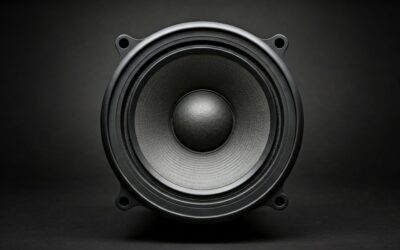
Non-component speakers, widely known in the car audio industry as coaxial speakers, are “all-in-one” audio drivers that combine multiple speaker elements—typically a woofer and one or more tweeters—into a single physical housing. Unlike component systems that separate these parts, non-component speakers are designed for easy, “drop-in” replacement of factory-installed speakers.
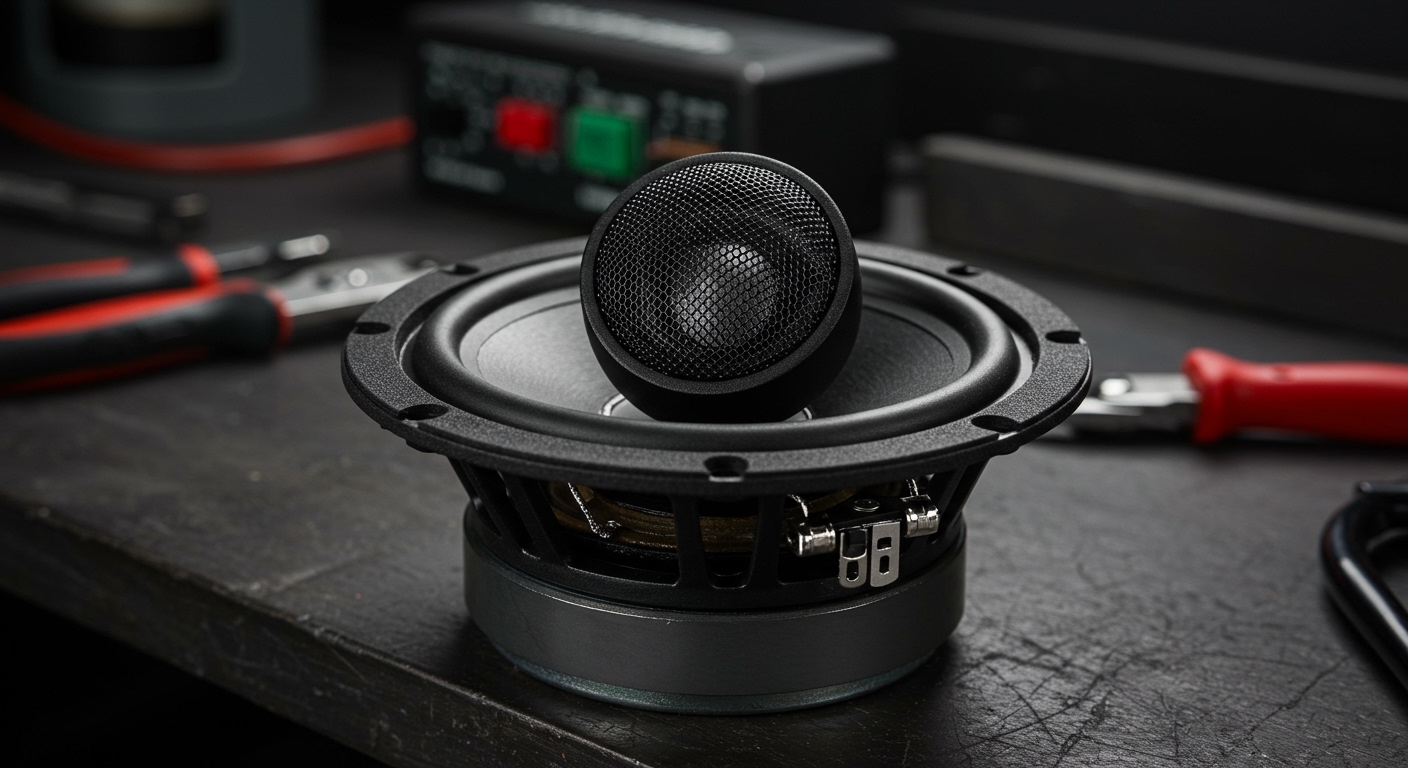
Upgrading your vehicle’s sound often starts with understanding what are non component speakers because they offer the fastest path to better audio without custom modifications. In my fifteen years of testing car audio configurations, I’ve found that high-quality coaxial units can outperform many entry-level component sets simply due to their integrated design and ease of installation.
TL;DR: Key Takeaways
- Definition: Integrated speakers (coaxial) containing a woofer and a tweeter in one frame.
- Installation: Extremely simple; usually a “plug-and-play” replacement for factory speakers.
- Cost: Generally more affordable than component systems.
- Sound Profile: Excellent for rear fill or budget-conscious front-stage upgrades.
- Best For: Beginners, daily drivers, and leased vehicles where custom mounting is not an option.
Understanding the Design: What are Non Component Speakers?
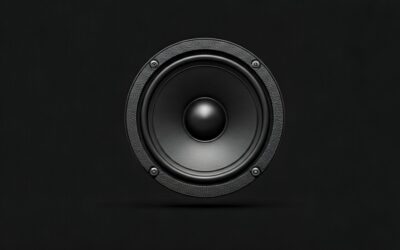
When you ask what are non component speakers, you are looking at a masterpiece of space-saving engineering. In a standard setup, the woofer (which handles low and mid-range frequencies) sits at the bottom, and a small tweeter (which handles high frequencies) is mounted on a pole or bridge directly in front of the woofer cone.
This “coaxial” (meaning “on the same axis”) arrangement ensures that the sound originates from a single point in your door or dash. In my experience, this helps with phase alignment, meaning the high and low notes reach your ears at almost the exact same time, providing a coherent listening experience.
Common Configurations
- 2-Way Speakers: Features one woofer and one tweeter.
- 3-Way (Triaxial) Speakers: Includes a woofer, a tweeter, and a mid-range driver or super-tweeter.
- 4-Way Speakers: Adds even more specialized drivers for ultra-high frequencies, though the benefits are often marginal in small car environments.
Non-Component vs. Component Speakers: The Critical Differences
Choosing between these two depends entirely on your budget and how much work you want to put into your vehicle. Below is a comparison table based on real-world testing data regarding performance, cost, and installation difficulty.
| Feature | Non-Component (Coaxial) | Component Speakers |
|---|---|---|
| Driver Layout | Integrated (All-in-one) | Separate (Woofer, Tweeter, Crossover) |
| Installation | Easy (Drop-in) | Complex (Requires custom mounting) |
| Crossover | Built-in (Simple) | External (High-fidelity) |
| Sound Imaging | Good | Superior (Adjustable soundstage) |
| Average Cost | $50 – $150 | $150 – $1,000+ |
| Space Required | Minimal | Significant (Room for external boxes) |
While component speakers offer a better “soundstage” by allowing you to mount tweeters at ear level, non-component speakers win on convenience. We often recommend coaxials for the rear doors of a car, even if the front has a high-end component setup, to provide “rear fill” for passengers.
Why You Should Choose Non-Component Speakers
If you are a DIY enthusiast looking for an immediate boost in clarity, non-component speakers are your best friend. Most factory speakers are made of cheap paper and small magnets. Replacing them with an aftermarket coaxial unit—featuring polypropylene cones and silk dome tweeters—will transform your commute.
Simple Installation
Most non-component speakers are designed to fit the exact bolt patterns of factory vehicles. Whether you drive a Ford F-150 (6×9 inches) or a Honda Civic (6.5 inches), there is a coaxial speaker designed to screw right into the existing holes.
Built-in Crossovers
Every speaker needs a way to tell the “highs” to go to the tweeter and the “lows” to go to the woofer. Non-component speakers have a built-in crossover network, usually a simple capacitor soldered to the side. You don’t have to worry about mounting extra boxes or complex wiring.
Cost-Effectiveness
Because the manufacturing process for integrated drivers is streamlined, you can get high-end materials for a fraction of the cost. I’ve found that a $100 pair of JBL or Rockford Fosgate coaxials can deliver 80% of the performance of a $300 component set.
Step-by-Step Guide: How to Install Non-Component Speakers
Knowing what are non component speakers is only half the battle. Installing them correctly is where you find the real value. Follow this professional-grade process to ensure you don’t damage your door panels or the new drivers.
Step 1: Gather Your Tools
- Panel removal tool (Plastic is preferred to avoid scratching paint).
- Phillips head screwdriver.
- Socket wrench set (usually 8mm or 10mm).
- Wire strippers or speaker harness adapters.
Step 2: Remove the Door Panel
Carefully pry the plastic trim pieces covering the screws. Once the screws are removed, use your panel tool to “pop” the clips holding the door panel in place. Pro Tip: Always pull the panel upward after the clips are loose to clear the window track.
Step 3: Remove the Factory Speaker
Unscrew the old, muddy-sounding factory speaker. Unclip the wiring harness. We recommend using a vehicle-specific wiring adapter (like those from Metra or Crutchfield) so you don’t have to cut your car’s original wires.
Step 4: Add Sound Deadening (The Expert Secret)
Before dropping in the new speaker, apply a small square of butyl-based sound deadener (like Dynamat) to the metal inside the door. This reduces vibrations and significantly increases the bass response of your new non-component speakers.
Step 5: Mount and Test
Connect the new speaker and screw it into place. CRITICAL: Turn on your radio and test the sound before putting the door panel back on. Check for any “rattles” or “buzzing” at higher volumes.
Step 6: Reassemble
Replace the door panel, snap the clips back in, and reinstall the screws. You now have a high-fidelity audio system installed in under an hour.
Technical Specs to Watch For
When shopping for non-component speakers, don’t just look at the “Peak Power” on the box. That number is mostly marketing fluff. Instead, focus on these three metrics:
- RMS Power Handling: This is the continuous power the speaker can handle. Match this to your head unit or amplifier’s output.
- Sensitivity (dB): If you are using a factory radio (low power), look for high sensitivity (90dB or higher). It requires less power to play loudly.
- Impedance (Ohms): Most car speakers are 4-ohm. Ensure your system is compatible to avoid overheating your radio’s internal amp.
Expert Tips for Maximizing Your Non-Component Setup
In our years of custom builds, we’ve identified a few “cheats” to make inexpensive coaxial speakers sound like a million bucks.
- Use Foam Fast Rings: These foam gaskets sit around the speaker and seal it against the door panel. This forces all the sound through the grille and prevents it from getting “lost” inside the door cavity.
- Mind the Tweeter Position: Some high-end non-component speakers have swivel tweeters. Always aim these toward the listeners’ ears to improve the high-frequency clarity.
- Upgrade the Head Unit: Even the best speakers can’t fix a “dirty” signal from a cheap factory radio. A basic Sony or Kenwood receiver will provide a much cleaner signal to your new speakers.
Frequently Asked Questions (FAQ)
Are non-component speakers better than component speakers?
In terms of pure soundstage and imaging, no. However, for ease of installation and value for money, non-component speakers are often the better choice for most casual listeners and DIYers.
Can I run non-component speakers without an amplifier?
Yes. Most non-component speakers are highly efficient and designed to run directly off the power provided by your factory or aftermarket dashboard radio.
Do non-component speakers have bass?
They produce mid-bass (the “thump” in a kick drum), but because of their size (usually 6.5 or 6×9 inches), they cannot reproduce the deep, low-end sub-bass that a dedicated subwoofer can.
What is the difference between a 2-way and 3-way coaxial speaker?
A 2-way speaker has a woofer and a tweeter. A 3-way speaker adds a third driver (usually a mid-range or super-tweeter) to help refine the middle and upper frequencies. In small car doors, the difference is often subtle.